
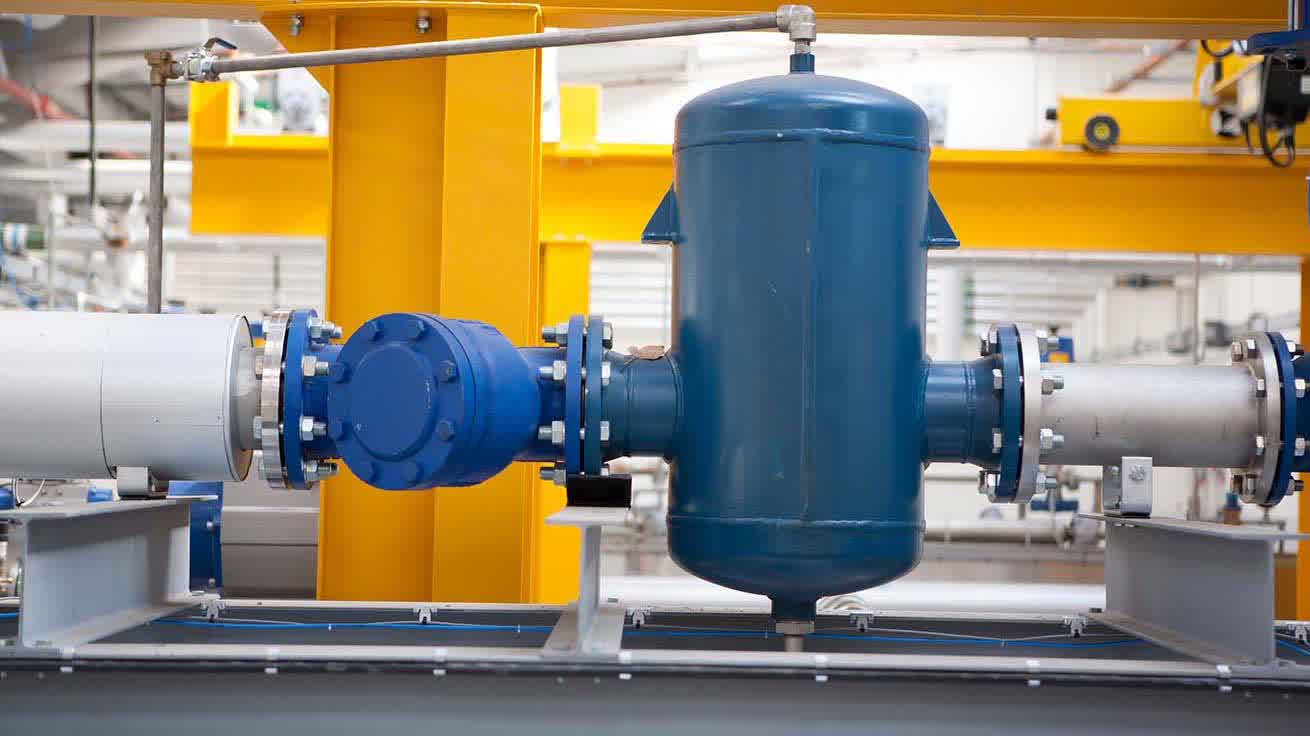
Pipeline ancillaries may be small compared with major steam plant items, but they have a direct effect on steam system efficiency, reliability and maintainability. Across steam mains, pressure reducing stations, heat transfer equipment and condensate return lines, the right ancillaries help keep steam clean, dry and easier to manage.
Spirax Sarco pipeline ancillaries cover common duties such as air venting, non-return protection, moisture separation, dirt removal, visual inspection, vacuum breaking, controlled discharge and operating indication. Used correctly, they help protect downstream equipment. They also help reduce long-term maintenance cost.
Overview
Pipeline ancillaries are selected to solve recurring line-side problems that reduce steam system performance. Typical issues include non-condensable gases, entrained moisture, solid contamination, reverse flow, vacuum formation and discharge noise around steam release points. A well-matched ancillary arrangement helps protect sensitive downstream equipment such as pressure reducing valves, control valves, steam traps, flowmeters, heat exchangers and process vessels. It also supports better steam quality, more stable control and easier maintenance planning. The Spirax Sarco range includes air vents and air eliminators for gas removal, separators for moisture removal, strainers and filters for solid contamination control, check valves for non-return protection, sight glasses for visual inspection, vacuum breakers for vessel protection and diffusers for safer discharge to atmosphere. These products are used widely across steam distribution, condensate systems and process applications. They help plant teams troubleshoot faster and reduce avoidable failures caused by poor line condition. Where the duty extends beyond a single fitting, Spirax Sarco pipeline ancillaries can be selected alongside steam traps, control systems and application support resources. This helps build a more robust and serviceable steam system.
How to choose pipeline ancillaries by operating problem
Pipeline ancillaries are usually selected by the operating problem they solve rather than by component family alone. The fastest route is to identify whether the main issue is reverse flow, moisture, dirt, trapped air, shutdown vacuum or noisy discharge, then move into the ancillary that corrects that condition first.
| Line-side problem | Typical ancillary route | Why it matters |
|---|---|---|
| Reverse flow or fallback risk | Check valves | Protects downstream equipment and helps limit flooding or waterhammer risk. |
| Entrained moisture | Separators | Improves steam or gas quality before it reaches sensitive equipment. |
| Solid contamination | Strainers and filters | Protects valves, traps, gauges and control hardware from debris. |
| Non-condensable gases | Air vents and air eliminators | Supports faster warm-up, better heat transfer and lower corrosion risk. |
| Vacuum or noisy discharge | Vacuum breakers and diffusers | Protects equipment during shutdown and improves discharge safety. |
Typical routes from common pipeline searches
Pipeline accessory searches usually start from the operating problem rather than from one product family name. Use steam check valves when the first concern is reverse flow, fallback or waterhammer risk. Review strainers when debris threatens downstream valve seats, traps or control hardware.
If the priority is steam dryness or moisture removal before sensitive equipment, move into steam separators. Use air vents when start-up air or other non-condensable gases are affecting heat transfer, and compare vacuum breakers when shutdown vacuum is the main protection issue.

Spirax Sarco AV13 Steam System Air Vent
AV13 is a Spirax Sarco brass balanced-pressure thermostatic air vent for steam systems. It is typically considered for high points on steam mains or equipment where air and other non-condensable gases need to be removed without manual venting.

Spirax Sarco AVC32 Carbon Steel Air Vent
AVC32 is a Spirax Sarco carbon steel balanced-pressure thermostatic air vent for steam systems, fitted with an integral flat strainer screen. Pressure-bearing components are made by TÜV-approved suppliers to AD-Merkblatt WO/TRD100, making it suitable for higher-pressure steam mains and equipment high points where air and other non-condensable gases need to be removed.

Spirax Sarco DCV3 Disc Check Valve
DCV3 is a Spirax Sarco wafer disc check valve for users who need compact non-return protection in steam, condensate, hot water and process pipework. The documented DCV3 route uses stainless steel construction and can be selected with seat and spring options to suit the duty.
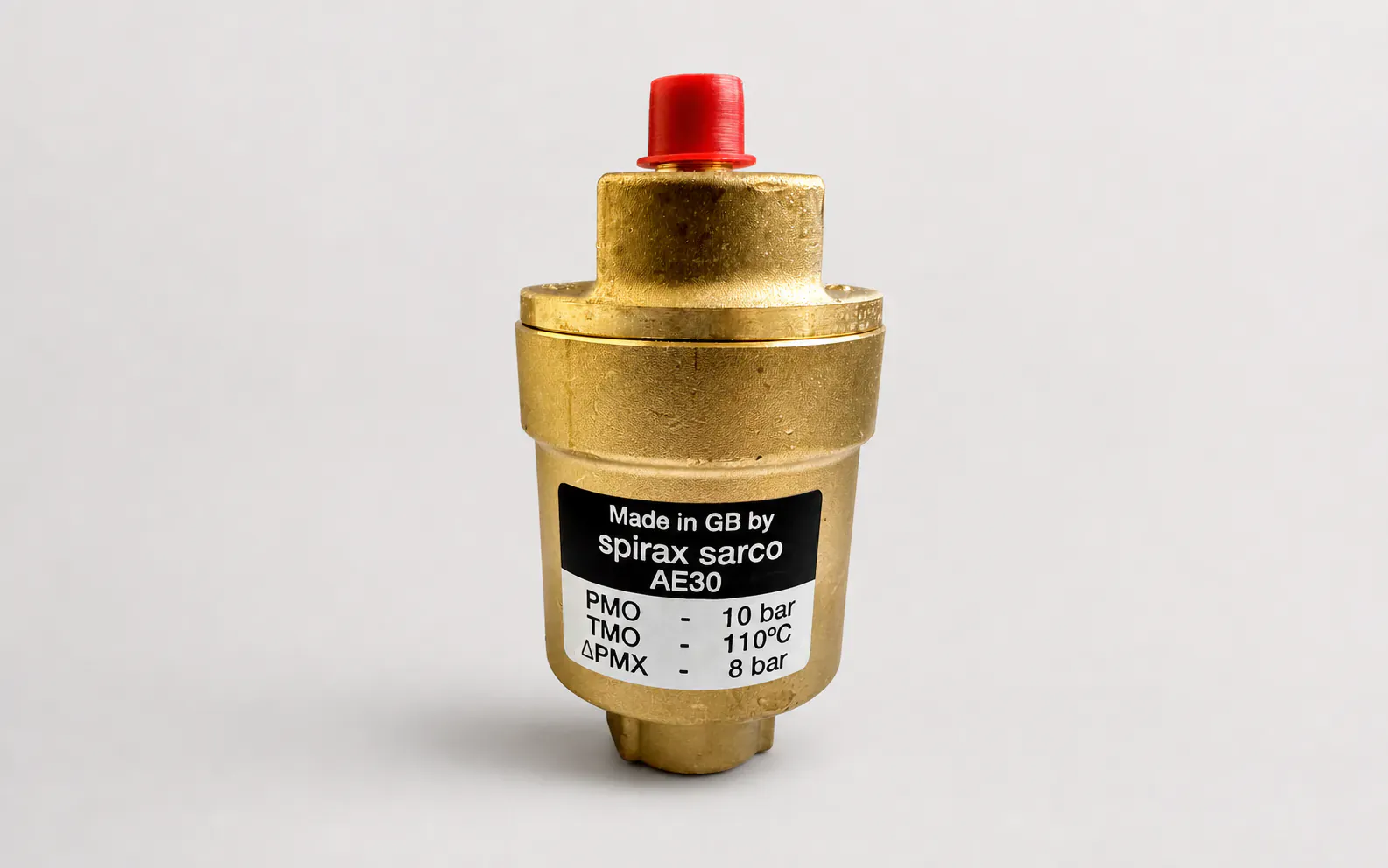
AE30 Liquid system automatic air exhaust valve
The AE30 series automatically removes air from hot- and cold-water liquid systems. View models and connections, pressure/temperature limits, free air capacity, installation, commissioning, maintenance, spares and ordering information.
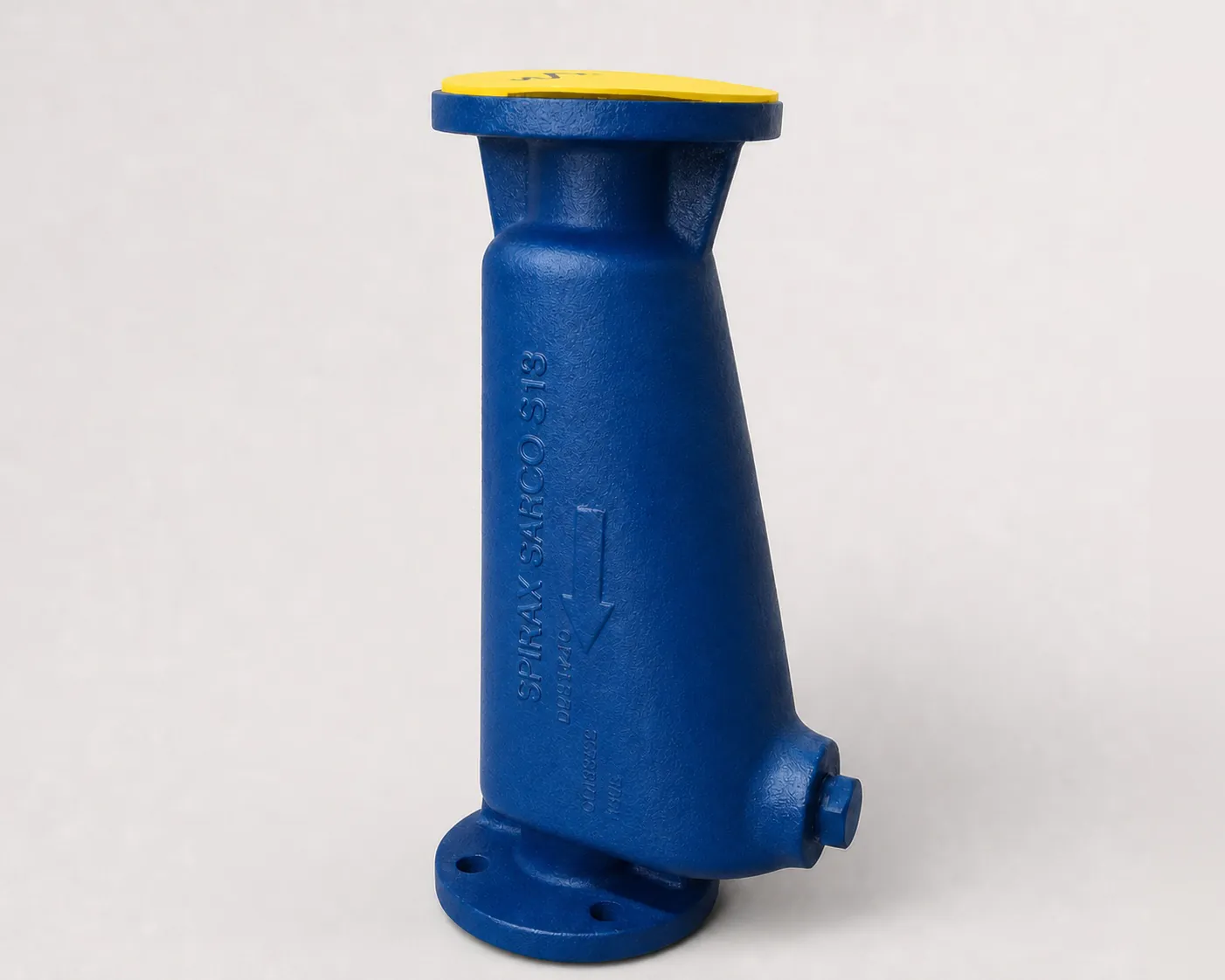
S13 SG Iron Separator (Flanged)
Flanged SG iron baffle-type separator for removing entrained liquid from steam, compressed-air and gas systems, in DN40 to DN200 sizes.
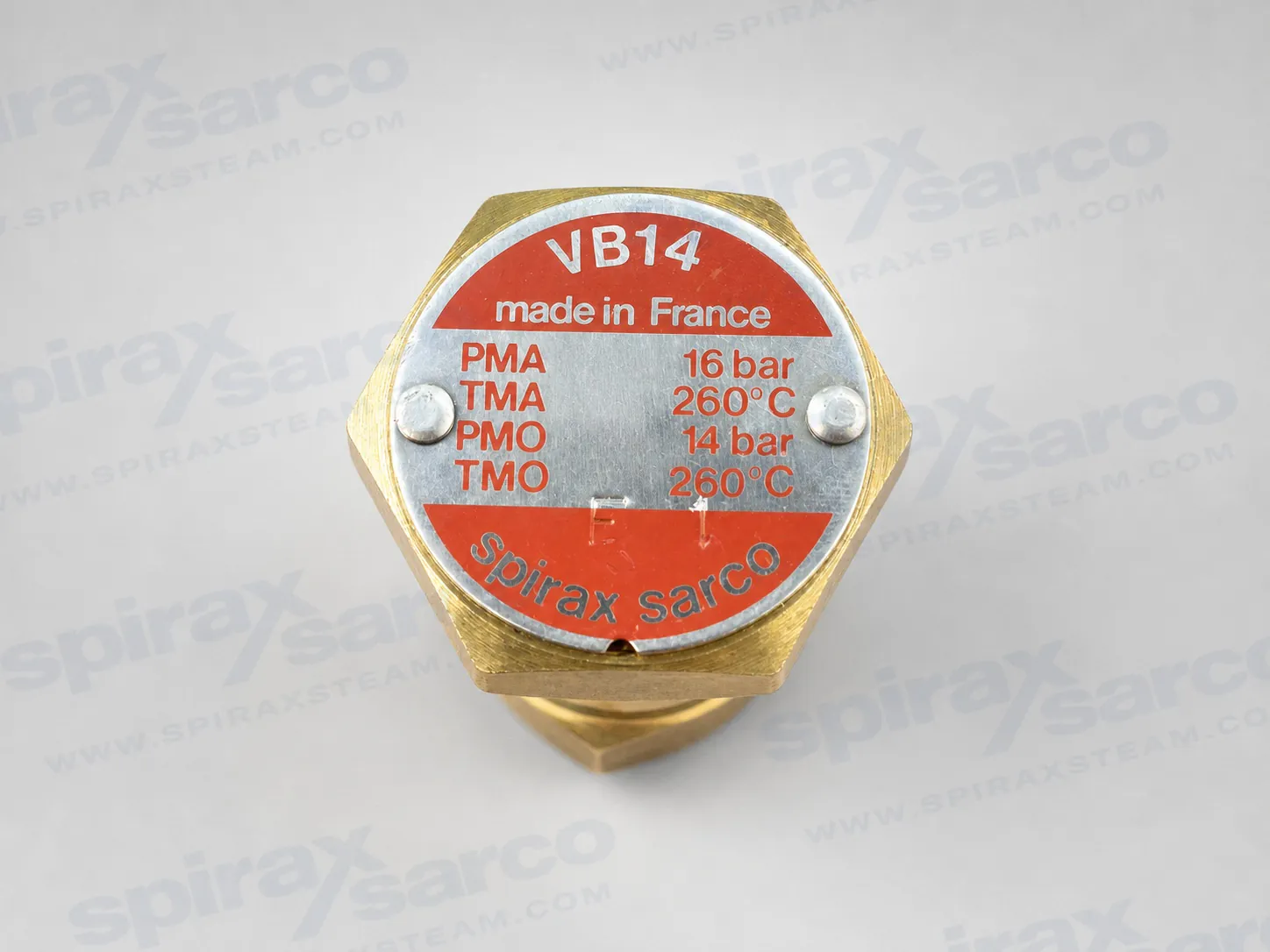
VB14 Vacuum Breaker
The Spirax Sarco VB14 is a compact brass vacuum breaker for condensing steam and liquid systems. It admits air as equipment cools to prevent vacuum from restricting condensate drainage and operation.
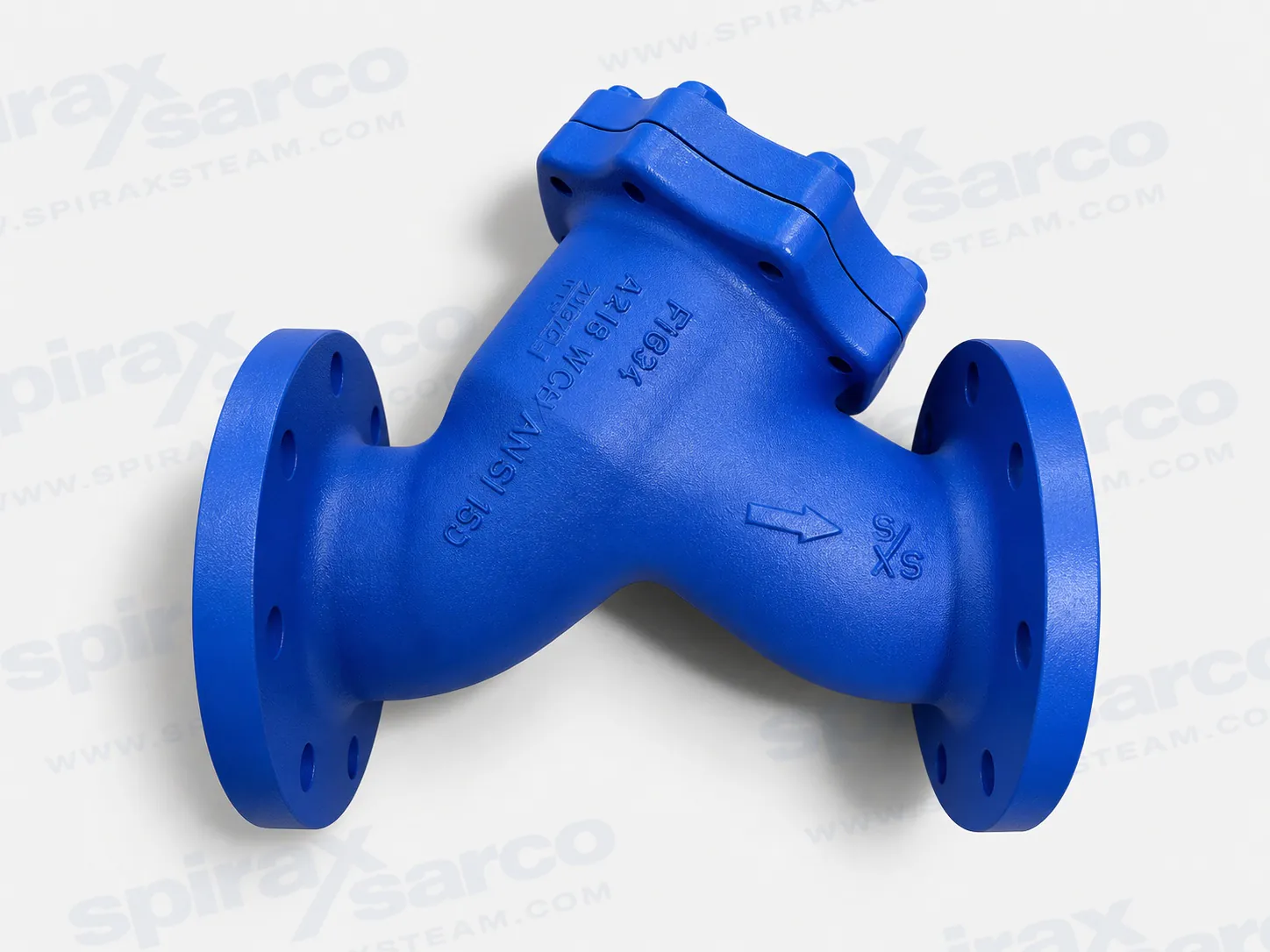
Fig 34 Carbon Steel Y-type Strainer
Integrally flanged carbon steel Y-type strainer for DN15 to DN400 pipelines, with EN, ASME and JIS/KS flange options and selectable stainless-steel or Monel screens.
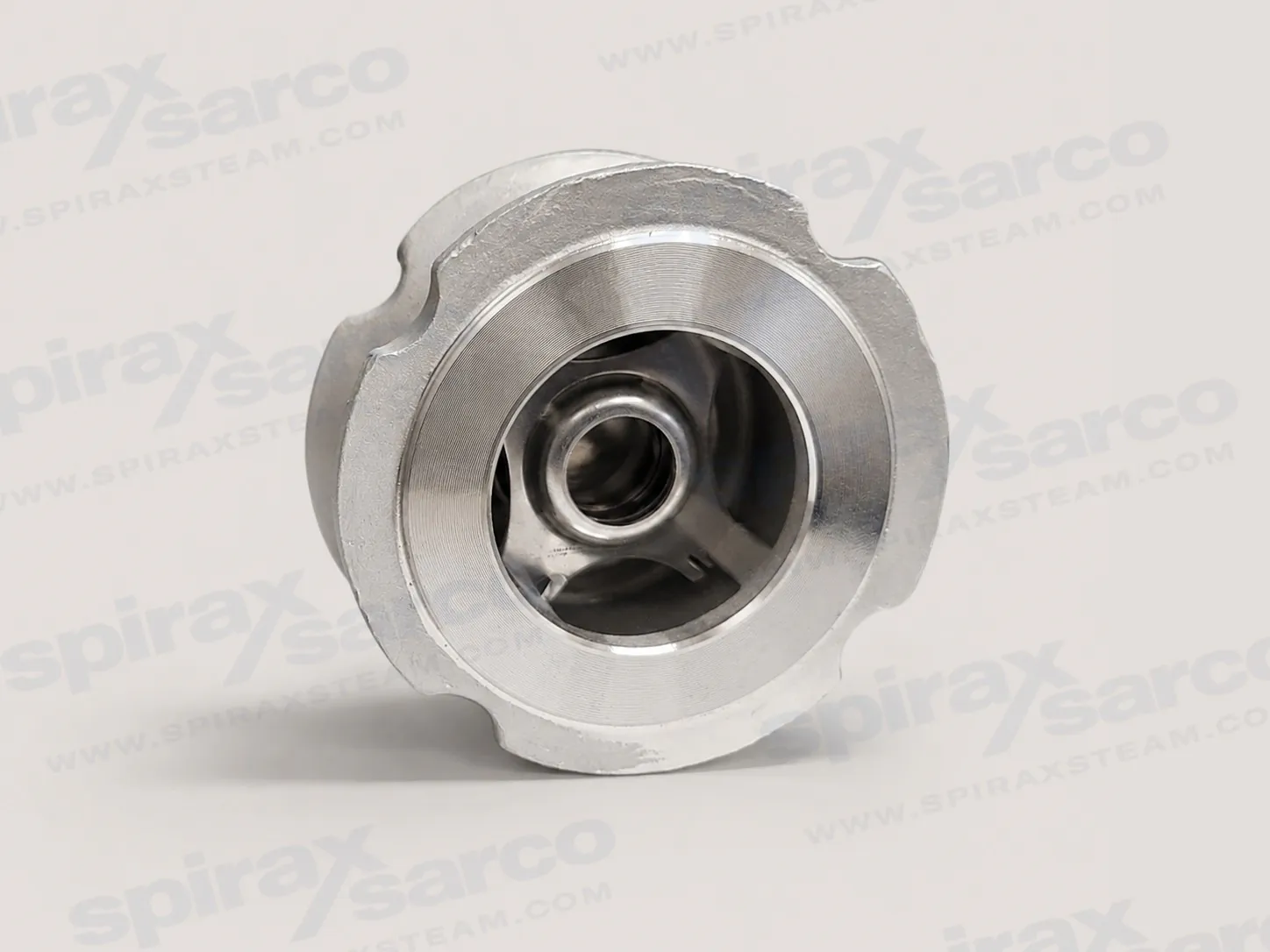
Spirax Sarco DCV4 Disc Check Valve
The Spirax Sarco DCV4 is a stainless steel wafer disc check valve for ANSI 150 or ANSI 300 flanges, covering DN15 to DN100 for compatible steam, condensate, hot-water and process duties.
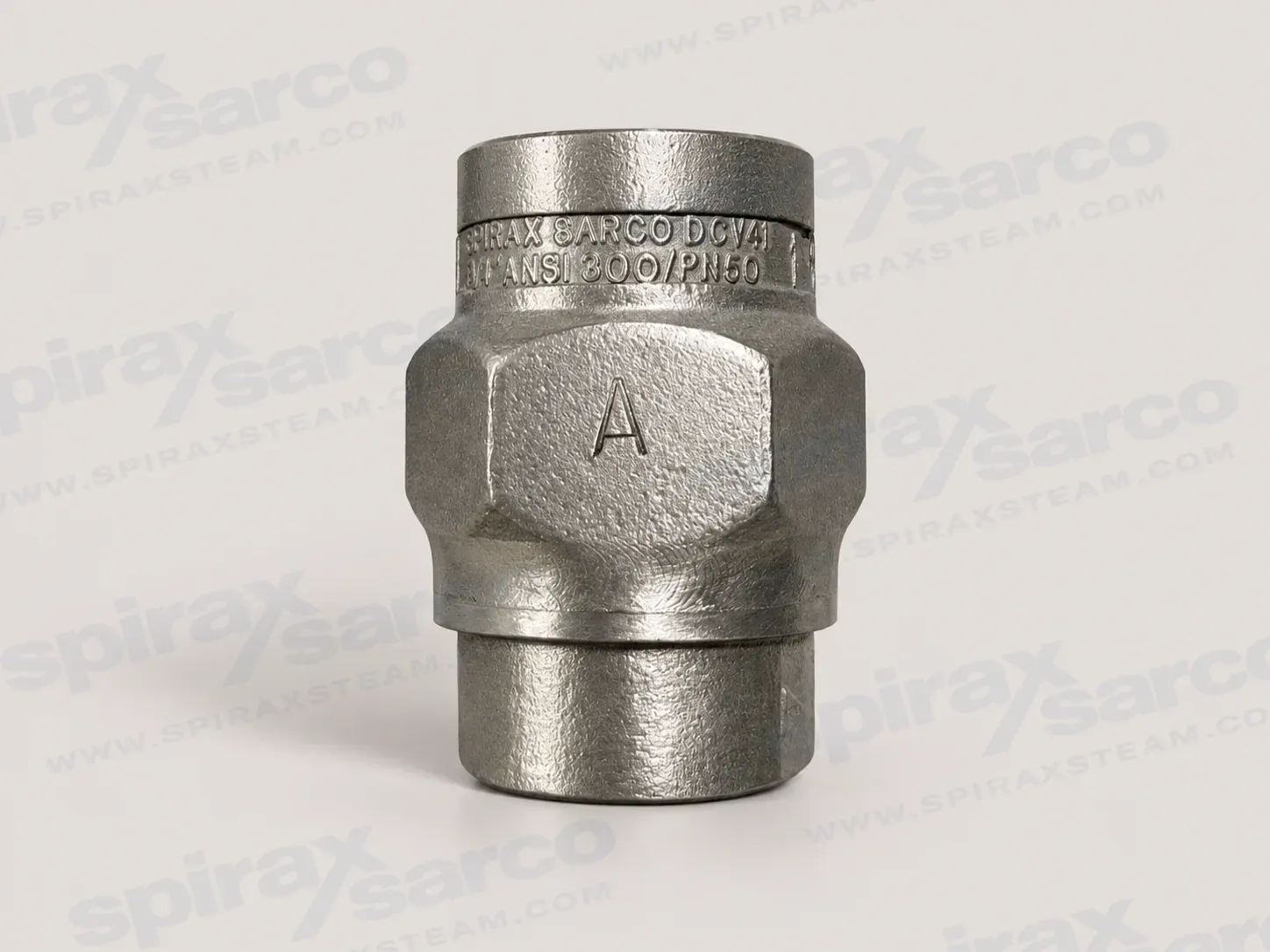
DCV41 Austenitic Stainless Steel Disc Check Valve
DCV41 is an austenitic stainless steel disc check valve for preventing reverse flow in process lines, hot water, steam and condensate systems, with screwed or socket-weld connections and documented metal, Viton and EPDM seat options.
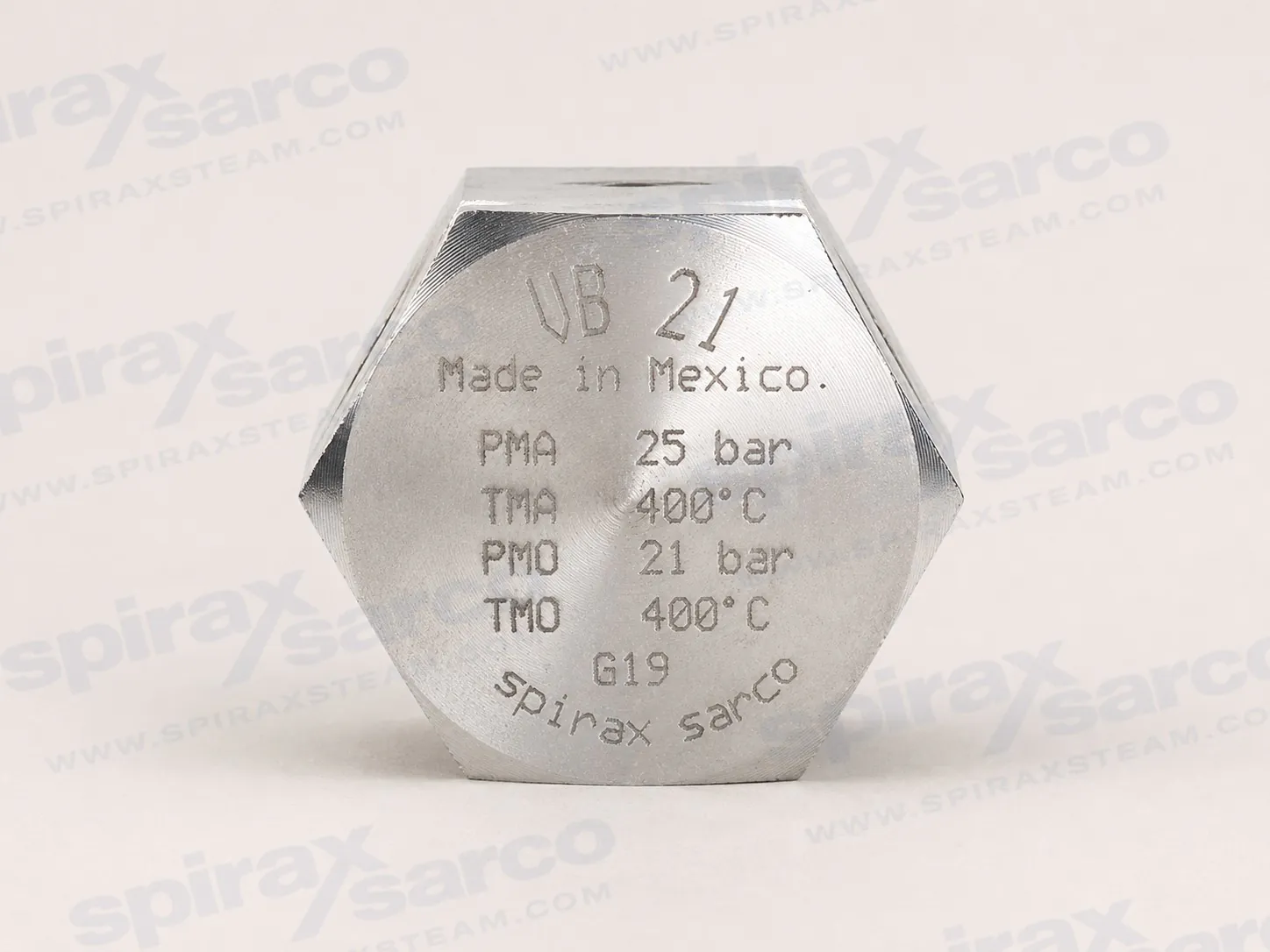
VB21 Stainless Steel Vacuum Breaker
Compact stainless steel vacuum breaker for condensing steam, vapour and liquid systems, with 1/2 inch BSP or NPT connections and operation up to 21 barg.
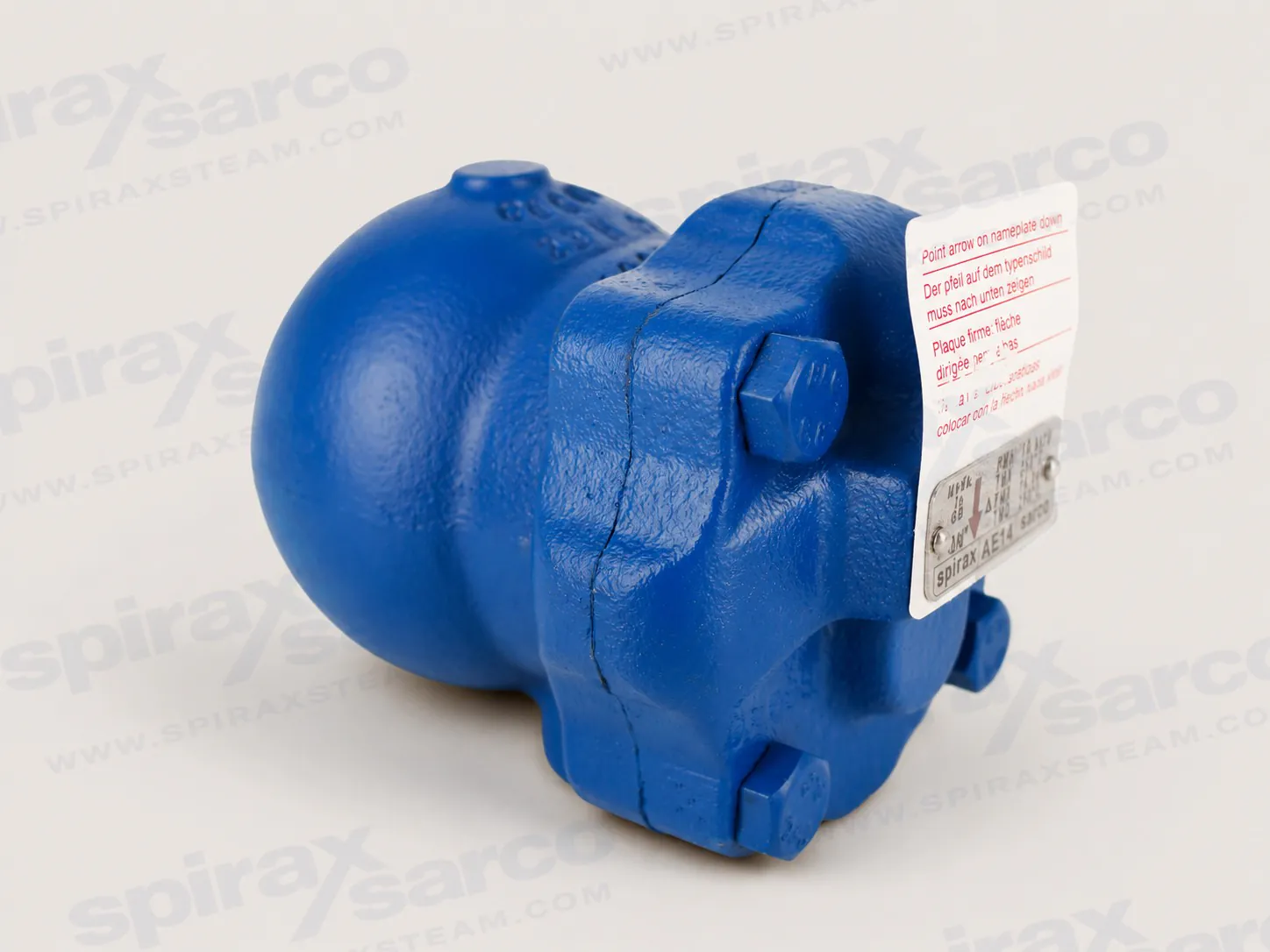
AE14 Automatic Air Vent for Liquid Systems
Spirax Sarco AE14 is a maintainable SG iron float-operated automatic air vent with a Viton valve head for removing air and gases from compatible liquid systems.
Sales Brochures
| Document | Reference | Language | Download |
|---|---|---|---|
| Pipeline Ancillaries Overview | SB-GST-41 | English | Download |
Continue your steam system selection
Pipeline ancillaries are rarely selected in isolation. Venting, separation, filtration, indication and discharge control usually need to align with the wider steam system layout and operating duty.
Connect ancillaries with pressure and control duties
Review pressure reducing, surplus and process control duties when ancillary selection also depends on stable pressure management or downstream control performance.
Coordinate ancillaries with steam trap selection
Many line protection and venting decisions sit alongside condensate drainage strategy. Review the main steam trap families when the duty also depends on discharge performance.
Build application understanding before final selection
Use the technical knowledge centre when you need more context on steam distribution, steam quality, air venting, drainage or other application fundamentals behind the product choice.