
Overview
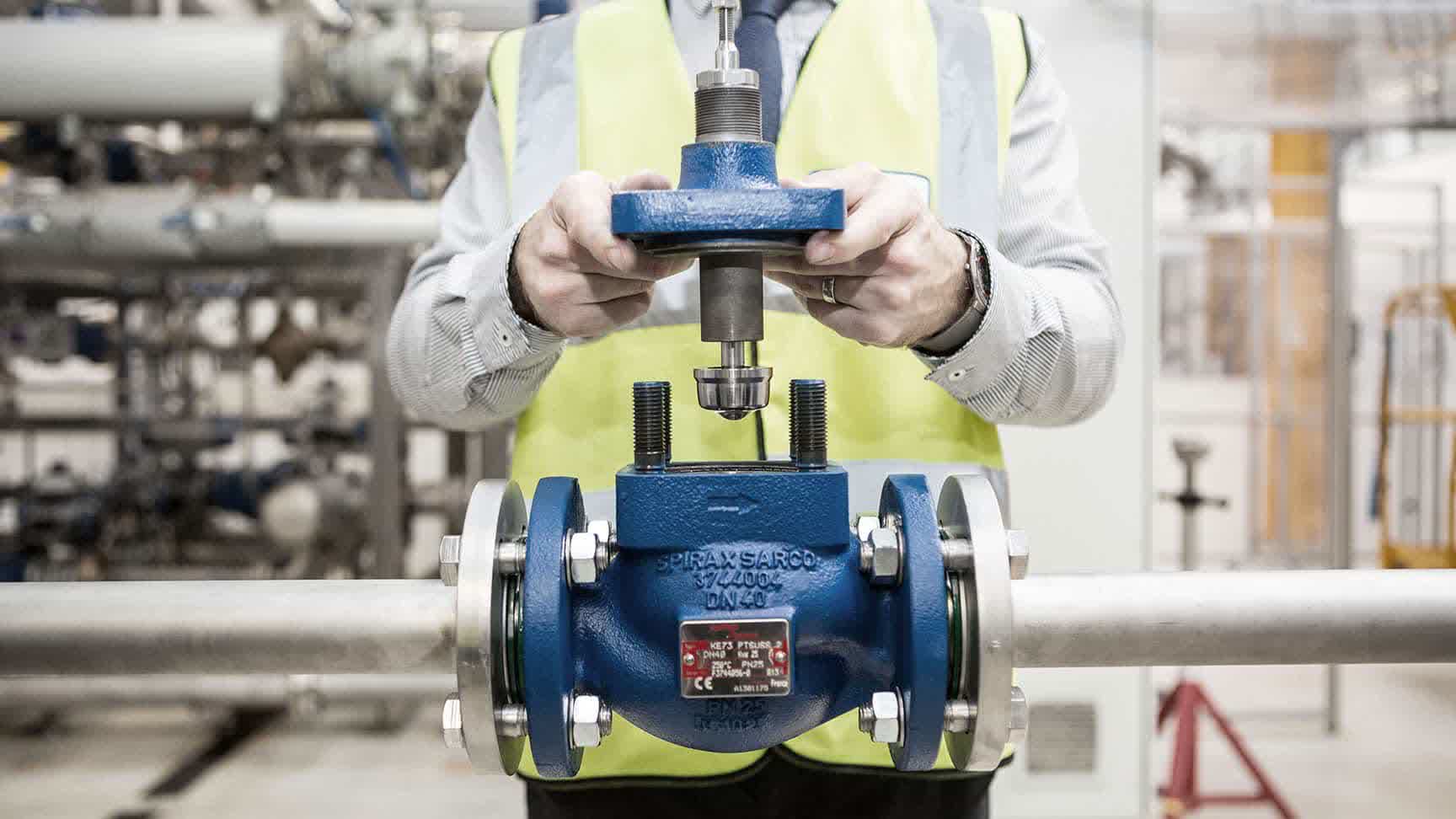
For many steam-heated processes, product quality depends on accurate temperature control while efficient energy use depends on reducing steam flow once the target temperature is reached. Spirax Sarco self-acting temperature controls provide a simple way to achieve that without external power. These systems use self-acting sensing and valve movement rather than electricity or compressed air, making them attractive where utility availability is limited, hazardous-area suitability matters or plant teams want to avoid unnecessary control complexity. Self-acting temperature control is often well suited to packaged plant, OEM equipment, tracing duties and general process heating where proportional control and dependable repeatability are more important than advanced automation features. Simple installation, low commissioning effort and modest maintenance demand help keep lifecycle burden low, while the absence of electronic control hardware can improve practicality in humid, remote or utility-constrained environments. The range therefore gives users a useful alternative to powered actuated control valves when the operating duty is stable enough to benefit from a reliable, inherently simple temperature control approach.
Related temperature-control routes
Self-acting control is strongest where simplicity matters more than full automation. If the application needs tighter signal-driven modulation, compare steam control valves. Where stable steam pressure is also a prerequisite for consistent thermal performance, support the package with pressure reducing valves.
For the full category context, return to steam control systems.
Continue your temperature control selection
Self-acting temperature controls are most useful when a simple, power-independent control solution is preferred over a more complex actuated loop.
See the wider temperature control context
Return to the wider control systems range when self-acting temperature control is one option within a larger steam control strategy.
Compare self-acting and actuated control
Use the control valve range when the duty needs tighter actuated modulation, different trim options or integration into a powered control loop.
Support the full steam control station
Review pressure reducing and surplussing valves when temperature control also depends on stable upstream steam pressure or complete station design.