
Overview
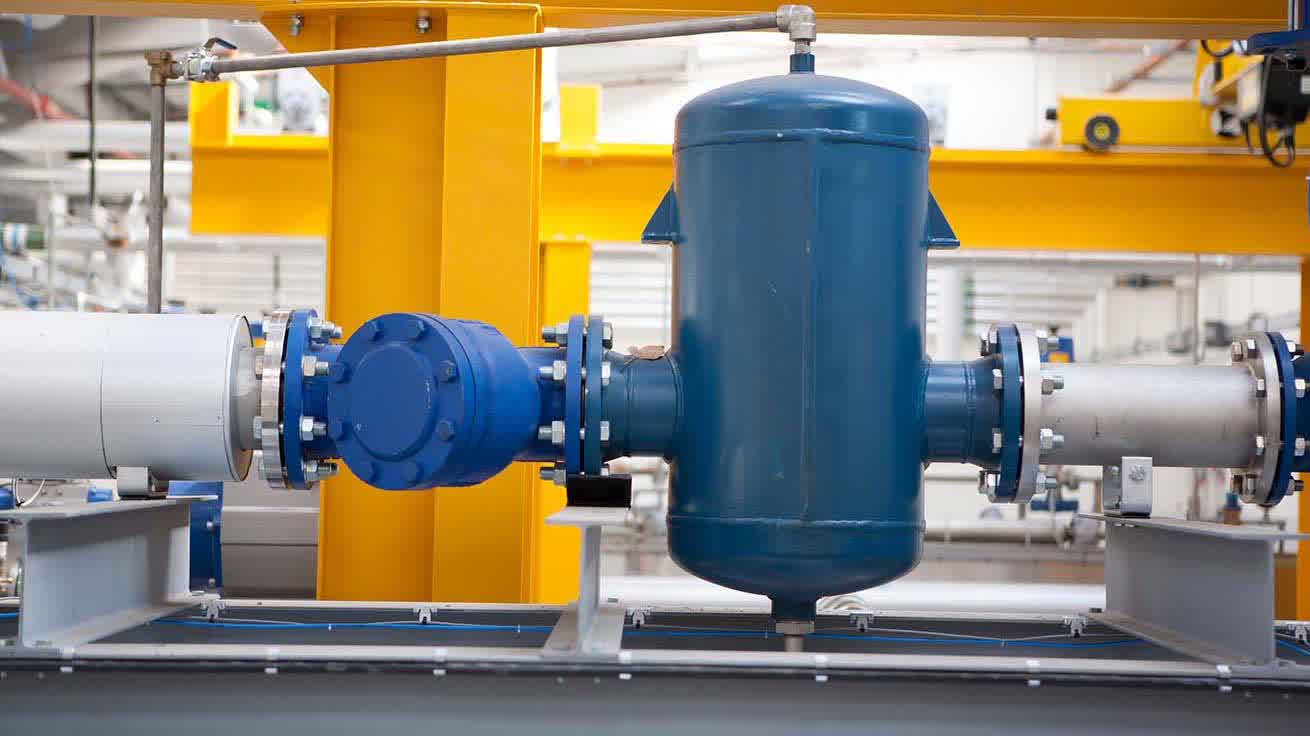
Spirax Sarco check valves help keep steam, condensate, water and process systems flowing in one direction only, protecting lines and connected equipment from reverse flow. Used correctly, they can help protect flowmeters, control valves and other sensitive plant hardware while also reducing upset conditions that shorten equipment life. Typical design drivers include reducing hydraulic shock and waterhammer, preventing flooding during shutdown or gravity drain-down, relieving vacuum conditions and lowering cross-contamination risk in process applications. The range includes compact disc, guided-disc, lift and sanitary check valve designs so the installation can be matched to fluid type, orientation, pressure conditions and hygiene requirements. These valves are used widely across pharmaceuticals, food and beverage, shipbuilding, power generation, institutions, pulp and paper and textile processes where dependable non-return protection is part of normal plant reliability. In practice, check valve choice usually sits alongside upstream strainers, downstream isolation and application-specific line protection rather than as an isolated component decision.
Related non-return and line-protection routes
Non-return protection works best when the surrounding line condition is also controlled. Add strainers when debris could damage seats or internals, and use steam separators where entrained moisture is part of the reliability problem.
If the installation also needs manual shut-off around the protected line, continue into isolation valves. Where shutdown vacuum is the bigger protection risk, compare vacuum breakers.
For exact model searches, continue to the Spirax Sarco DCV3 disc check valve page for a compact wafer non-return valve route within this family.

Spirax Sarco DCV3 Disc Check Valve
DCV3 is a Spirax Sarco wafer disc check valve for users who need compact non-return protection in steam, condensate, hot water and process pipework. The documented DCV3 route uses stainless steel construction and can be selected with seat and spring options to suit the duty.
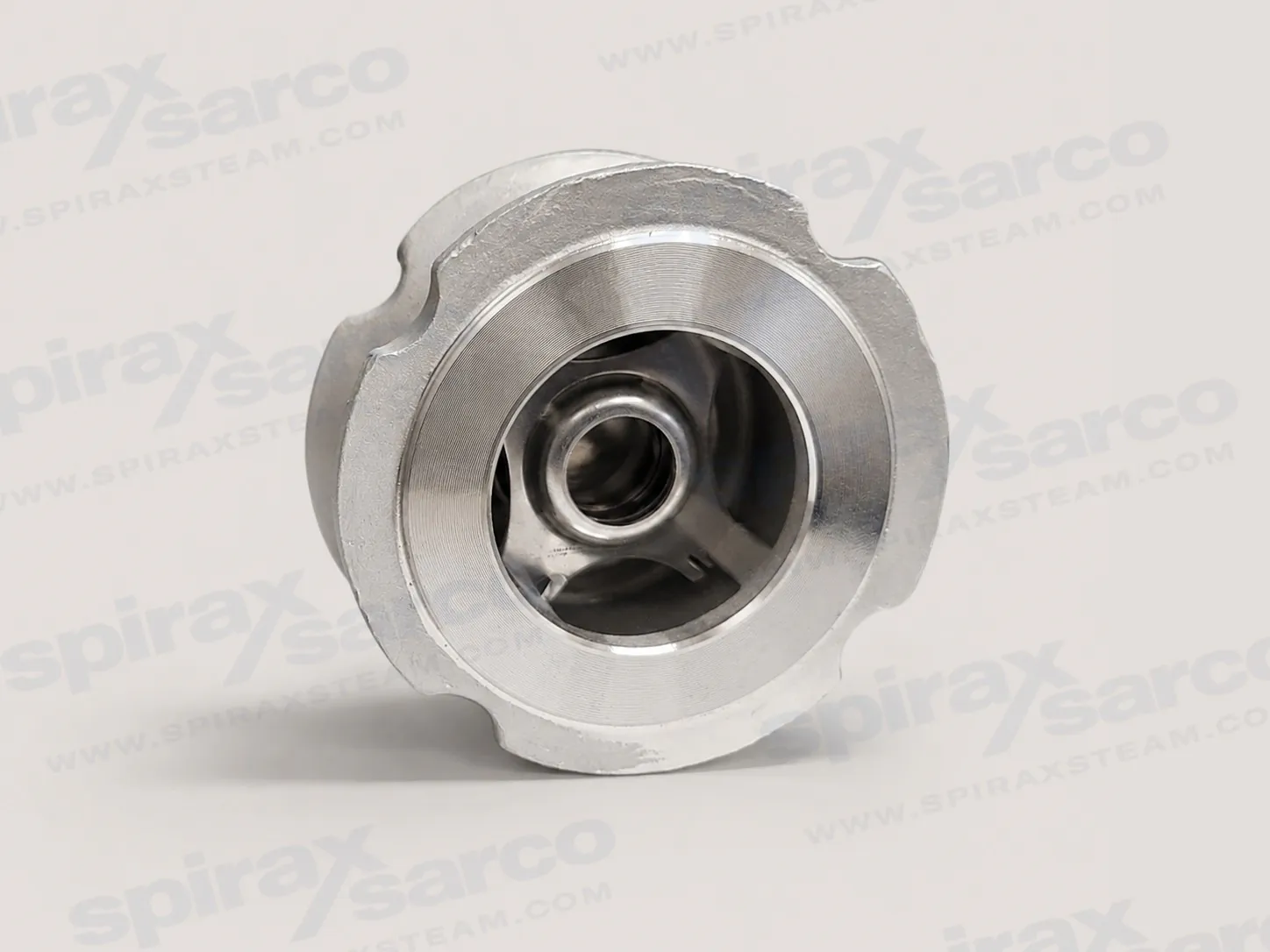
Spirax Sarco DCV4 Disc Check Valve
The Spirax Sarco DCV4 is a stainless steel wafer disc check valve for ANSI 150 or ANSI 300 flanges, covering DN15 to DN100 for compatible steam, condensate, hot-water and process duties.
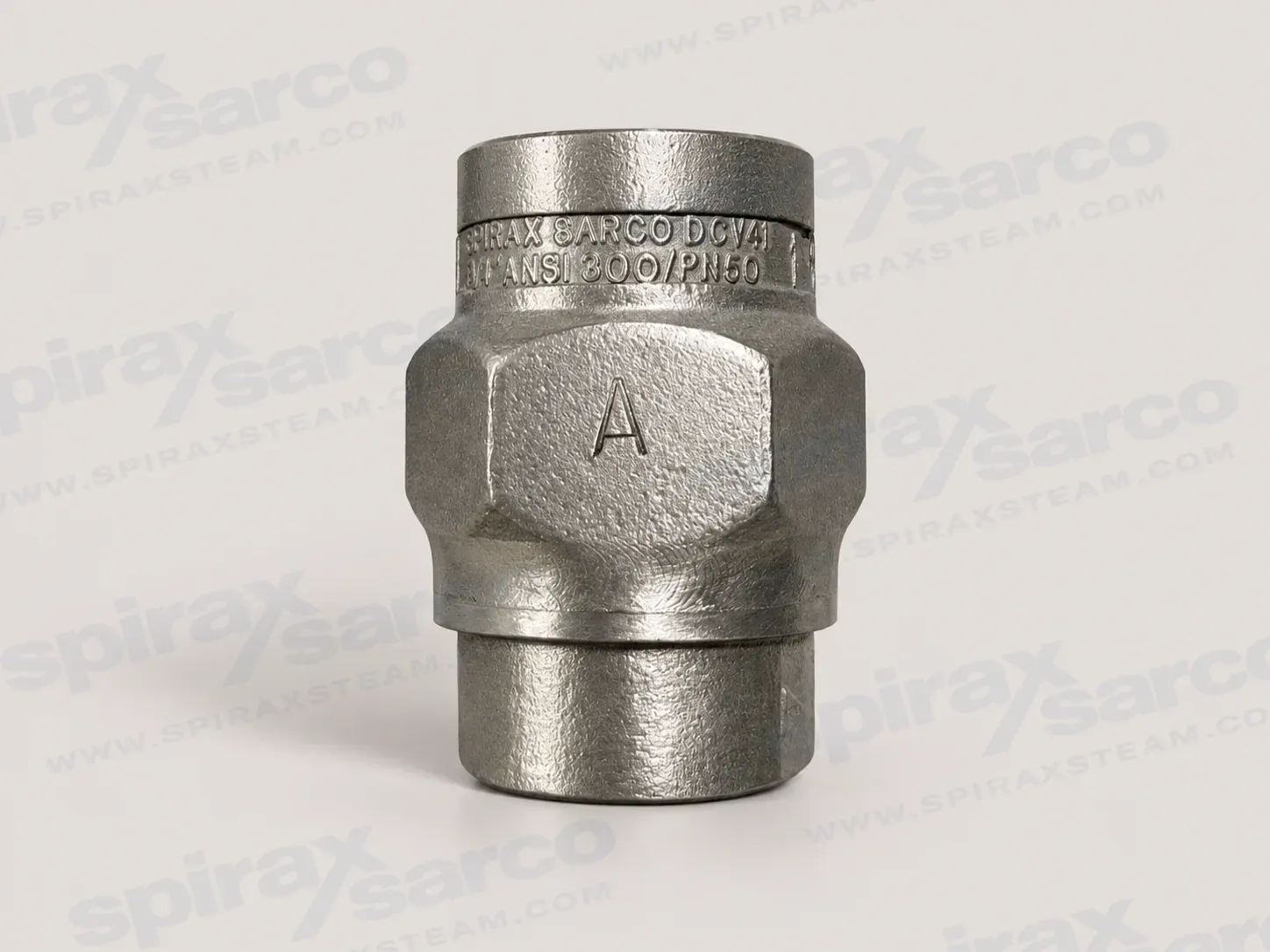
DCV41 Austenitic Stainless Steel Disc Check Valve
DCV41 is an austenitic stainless steel disc check valve for preventing reverse flow in process lines, hot water, steam and condensate systems, with screwed or socket-weld connections and documented metal, Viton and EPDM seat options.
Continue your non-return valve selection
Check valves are usually selected as part of a wider piping protection strategy that also includes cleanliness, moisture control and application-specific line hardware.
See the wider line protection range
Return to the wider pipeline ancillaries range when the duty also depends on clean steam, separation, indication or discharge control around the same line.
Protect the valve internals upstream
Check valve reliability improves when upstream debris is controlled. Review strainers and filters if fouling or valve seat damage is a risk in your service.
Match sanitary process requirements
Use the clean steam range when non-return protection also needs to align with hygienic or high-purity process expectations.