

Overview
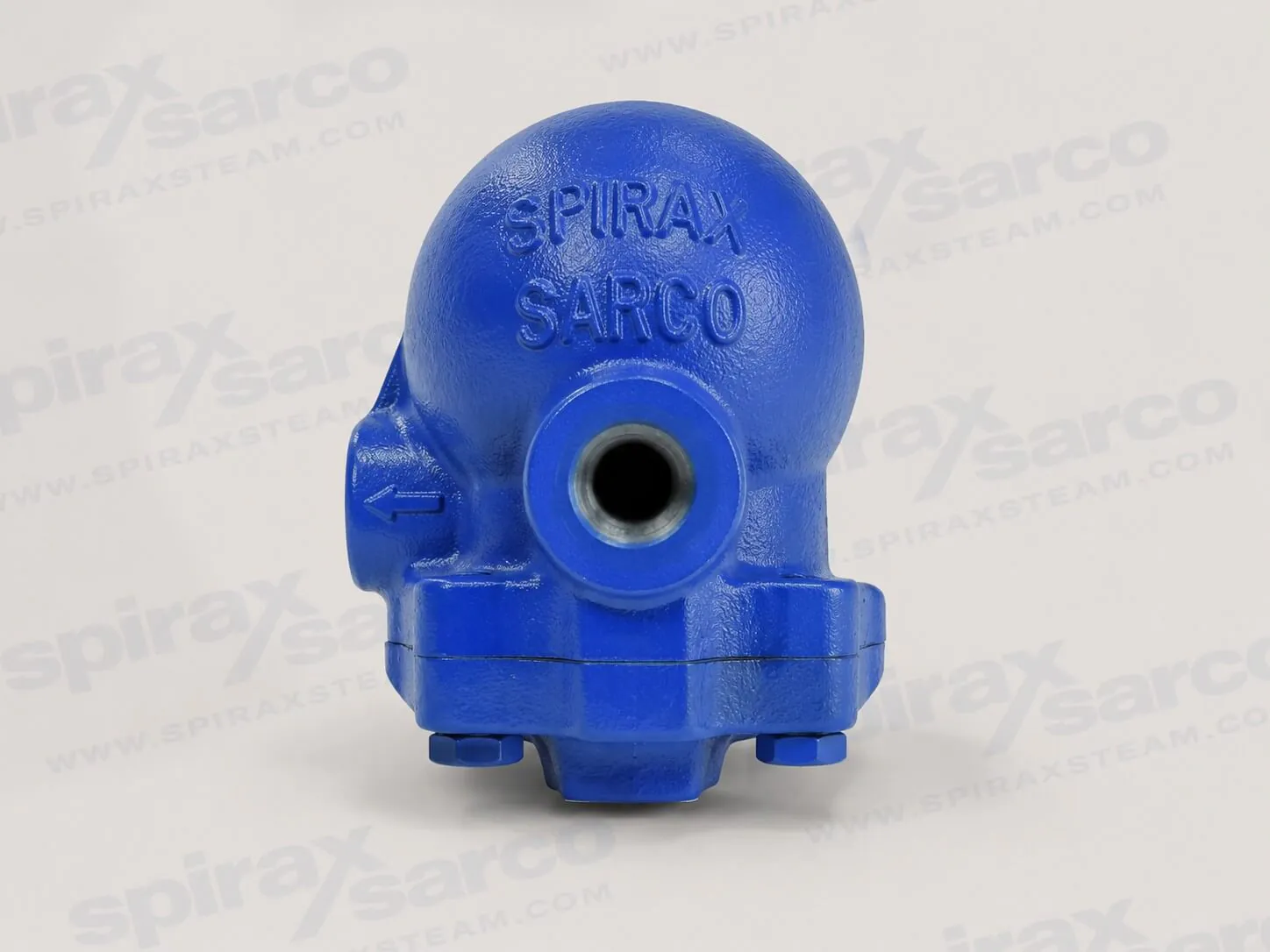
Compressed air drain traps and ancillaries are used to remove liquid from pressurised air and gas systems while helping prevent unnecessary gas loss. This is important because condensate can accumulate in receivers, separators, risers, downfeeds and other low points, reducing air quality and damaging downstream pneumatic equipment. Float-operated liquid drain traps respond automatically to changing load and pressure so condensate can be discharged continuously without backing up in the line. Key selection factors include differential pressure, system pressure, condensate load, liquid specific gravity and whether return-line backpressure or flashing could affect drainage. Spirax Sarco drain trap ranges support compressed air and wider gas-system duties where reliable liquid removal is a plant reliability issue rather than a minor accessory choice.
Related compressed-air drainage routes
Liquid drain traps are usually only one part of compressed-air quality control. If moisture removal needs to happen upstream before it reaches the trap, compare steam separators. Where local machine reliability also depends on regulation at the point of use, use pressure reducing valves.
To step back into the parent category, return to compressed air drain traps.
Continue your compressed air drainage selection
Drain traps are normally chosen within the wider compressed air arrangement. The next step may depend on whether the main issue is drainage, moisture separation or point-of-use control.
See the wider compressed air route
Return to the compressed air product route when drainage is only one part of a wider compressed air quality or reliability review.
Manage moisture before it reaches the trap
Use separators when the issue starts upstream with entrained moisture removal rather than at an individual drainage point alone.
Coordinate drainage with local pressure control
Review pressure reducing valves when condensate drainage also sits alongside point-of-use pressure control in the same compressed air installation.