
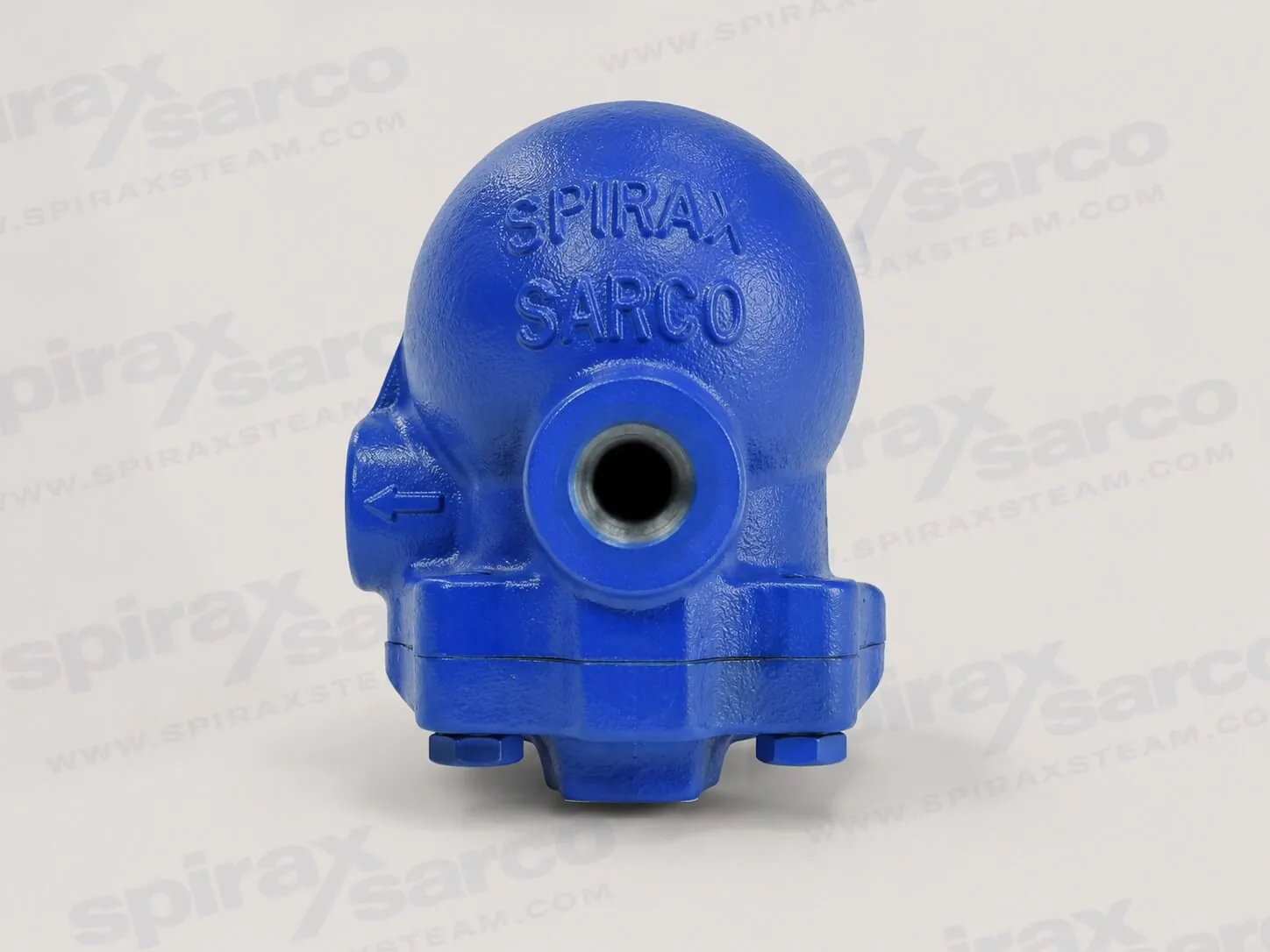
CA14 SG Iron Air and Gas Trap
Float-type SG iron automatic liquid drainer for Group 2 air and gas systems, with a Viton valve cone, continuous discharge and screwed or selected flanged connections.
Explore Spirax Sarco compressed air products for condensate drainage, air quality and reliable operation of pressurised air and gas systems.
Compressed air drainage decisions are usually simpler when you start with the drainage point and operating condition rather than with product naming alone. The core question is where condensate is forming, how continuously it must be discharged and whether adjacent moisture separation or local pressure control also affects reliability at the point of use.
| Selection factor | Why it matters | Next route |
|---|---|---|
| Drainage point and condensate load | Receivers, separators, risers and downfeeds can behave differently depending on how much condensate accumulates and how often it must be discharged. | Browse drain traps and ancillaries |
| Upstream moisture removal | If the wider issue is wet compressed air rather than one drain point, separator choice may matter before trap choice. | Explore separators |
| Local pressure stability | Machine performance can depend on point-of-use pressure control as much as on condensate drainage. | Explore pressure reducing valves |
Compressed-air searches usually begin with condensate handling and then branch into moisture removal or local pressure stability. Start with liquid drain traps when the main issue is discharging condensate from receivers, separators, risers or low-point drains without unnecessary gas loss.
If wet air in the wider line is the bigger problem, continue into steam separators for upstream moisture removal logic. Where machine reliability also depends on local regulation, compare pressure reducing valves. For broad top-level product intent, this page remains the route for compressed air drain traps.