
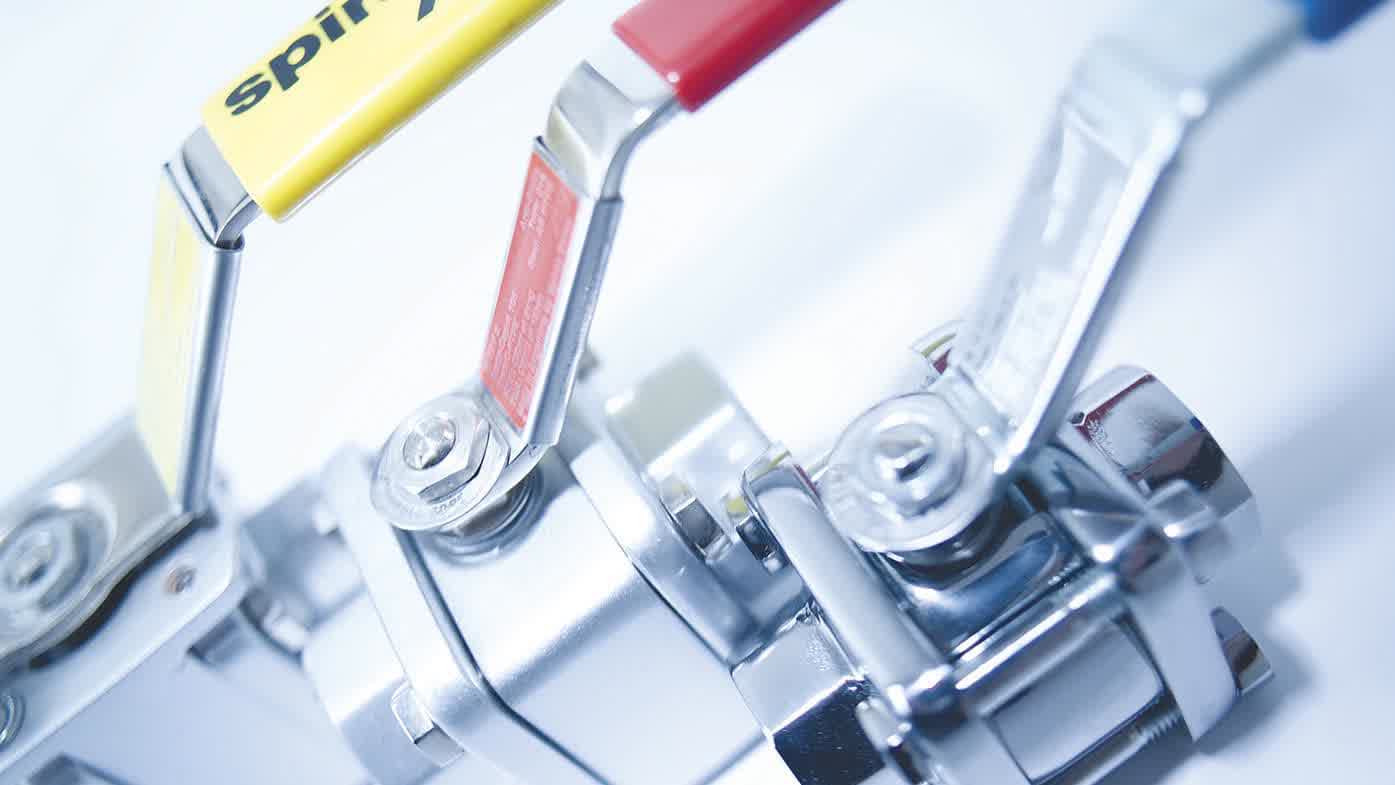
Spirax Sarco isolation valves help operators shut off steam, condensate and process lines safely for maintenance, equipment protection and plant section isolation. The range brings together steam isolation valves, ball valves and stop valves for applications where dependable shut-off, maintainability and leakage control matter.
Use this page to compare bellows sealed stop valves, ball valves and HV3 stop valves, then move into the valve family that best matches your pressure, temperature, pressure-drop and operating requirements.
If you are comparing options, start with duty: quarter-turn ball valves are often preferred where low pressure drop and straightforward automation matter, while stop valves and bellows sealed stop valves are more often chosen where robust steam shut-off and tighter leakage control expectations shape the specification.
Overview
Isolation valves are used to divert flow, isolate plant sections and make maintenance safer. In steam systems, the right shut-off valve helps protect people, reduce unplanned leakage and keep connected equipment easier to service. Valve selection should reflect more than pipe size. Fluid type, pressure, temperature, flowrate, allowable pressure drop, frequency of operation, method of actuation and external leakage expectations all influence which isolation valve design is most suitable. Ball valves are often chosen where quarter-turn operation, straightforward automation and low pressure drop are priorities. Full bore options can also be useful where upstream turbulence needs to be minimised, such as around flow measurement or sensitive downstream equipment. Stop valves and bellows sealed stop valves are typically used where users need positive shut-off together with robust service in steam duty. Bellows sealed designs are especially relevant when controlling stem seal leakage, reducing maintenance attention and supporting low-emission operation are part of the specification. A complete isolation arrangement often sits alongside other pipeline ancillaries such as strainers, check valves, separators and gauges. Spirax Sarco helps users move from valve family selection into the wider steam-system components around the isolation point.
How to choose the right steam isolation valve
Isolation valve selection usually becomes easier when buyers compare shut-off duty, pressure drop, leakage control, automation needs and the surrounding steam-system arrangement rather than starting from product names alone.
| Valve family | Most relevant when | Typical selection priority | Next route |
|---|---|---|---|
| Ball valves | Quarter-turn operation, low pressure drop and straightforward automation matter | Fast shut-off, compact actuation, full bore options where turbulence should be minimised | Browse ball valves |
| HV3 stop valves | Manual linear shut-off is preferred for general steam and condensate duties | Robust service, accurate shut-off and straightforward maintenance access | Browse HV3 stop valves |
| Bellows sealed stop valves | Stem seal leakage control and low-emission shut-off requirements carry more weight | Containment, reduced packing-maintenance concerns and higher leakage-control expectations | Browse bellows sealed stop valves |
Steam isolation valve FAQ
What are steam isolation valves used for?
Steam isolation valves are used to shut off steam, condensate or process lines so operators can isolate equipment, protect plant sections and carry out maintenance more safely. In practical terms, they support shut-off integrity, maintainability and control of leakage risk around the isolation point.
When should you choose a ball valve?
Ball valves are typically chosen where quarter-turn operation, straightforward automation and low pressure drop are priorities. Full bore ball valves can also be useful where upstream turbulence should be minimised, for example around flow measurement or sensitive downstream equipment.
When should you choose a stop valve or bellows sealed stop valve?
Stop valves are often selected where users need robust manual shut-off in steam duty, while bellows sealed stop valves become more relevant when stem seal leakage control, low-emission operation and reduced packing-maintenance attention are part of the specification.
What else should be installed around an isolation valve?
An isolation point is often designed with supporting ancillaries such as strainers, check valves, separators and gauges. The right surrounding arrangement depends on fluid condition, reverse-flow risk, moisture carryover, maintenance access and how the isolated section will be operated.
Typical routes from common isolation-valve searches
Isolation-valve searches usually split between shut-off style and leakage expectations. Start with ball valves when quarter-turn operation, low pressure drop or compact automation are the main priorities. Move into bellows sealed stop valves when stem-seal leakage control and low-emission shut-off carry more weight.
Use HV3 stop valves when the duty is a more conventional manual stop-valve arrangement for steam or condensate service. If the isolation point also depends on surrounding line protection, continue into steam check valves and strainers.

Spirax Sarco BSA2T Bellows Sealed Stop Valve
BSA2T is part of the Spirax Sarco BSA and BSAT bellows sealed stop valve range. It combines a ductile iron body with double bellows sealing to reduce external stem leakage risk while supporting dependable manual isolation in steam, condensate, gas and process fluid duties.
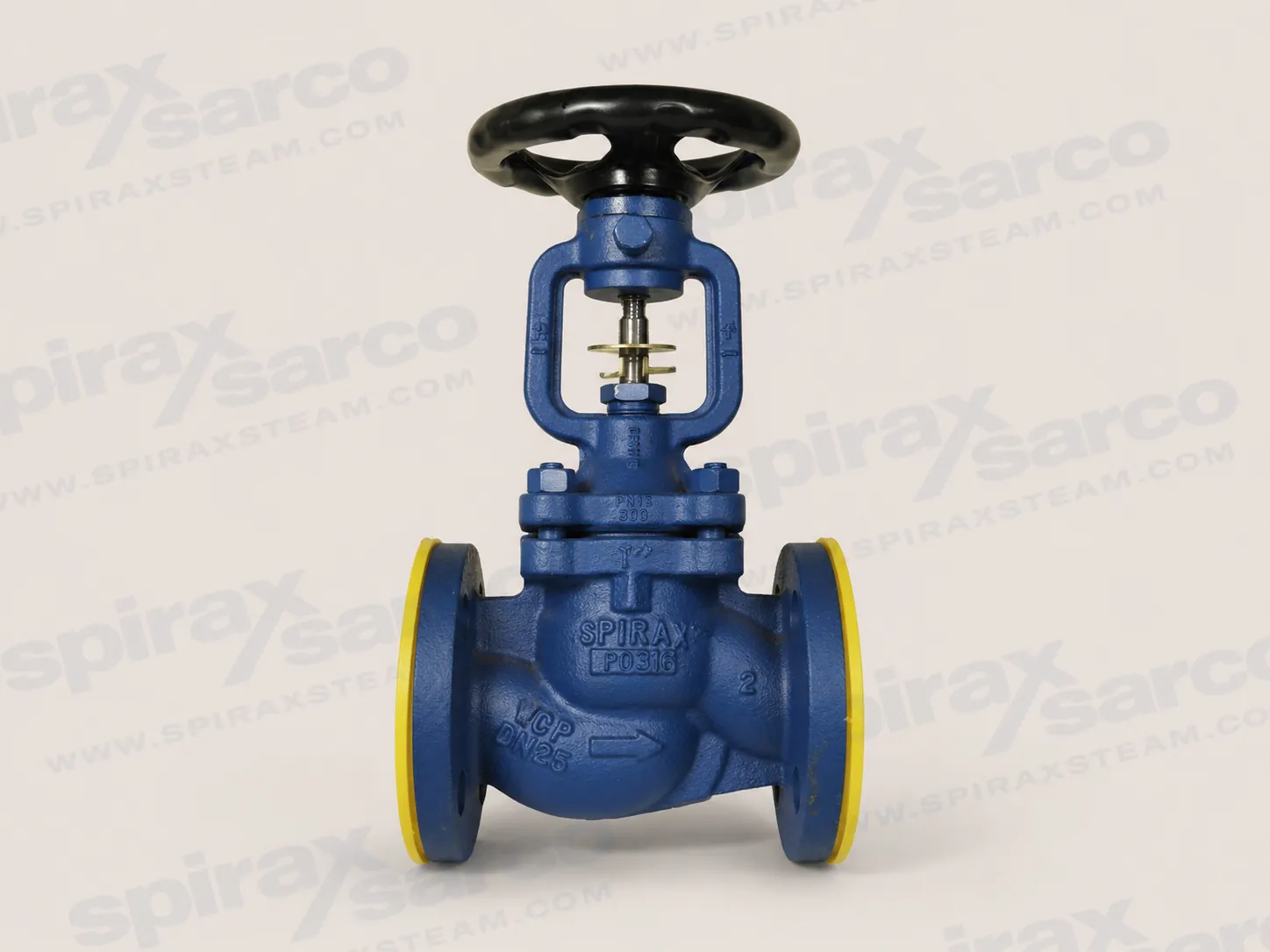
Spirax Sarco BSA3T Bellows Sealed Stop Valve
BSA3T is the carbon steel branch of the Spirax Sarco BSA and BSAT bellows sealed stop valve range. It is used where dependable manual isolation, reduced external stem leakage risk and a higher pressure-class route matter in steam, condensate, gas and process fluid systems.
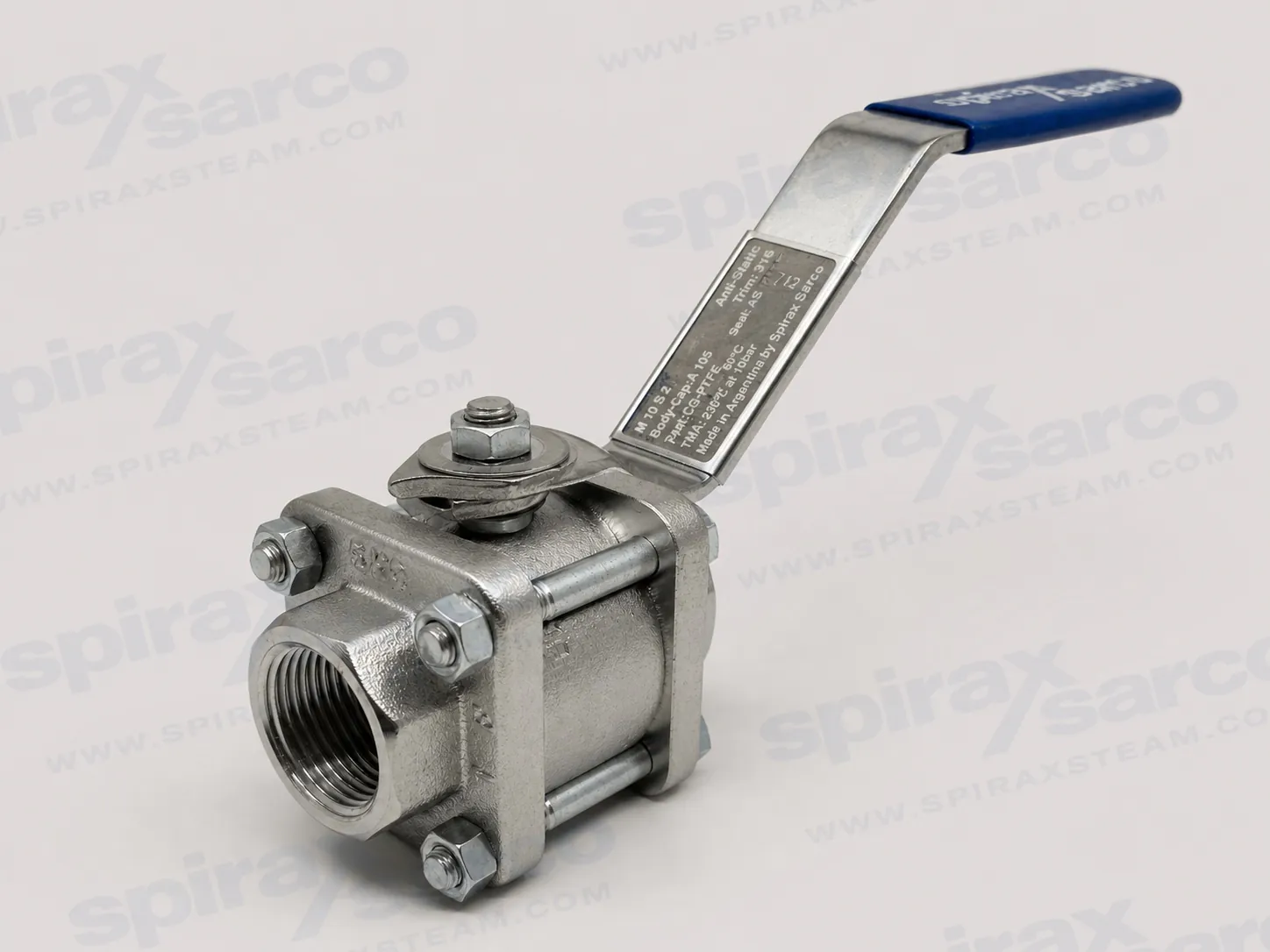
M10S Three-piece Ball Valve
Three-piece ball valve for on/off isolation of steam and industrial fluids, with full-bore and reduced-bore ports plus screwed, welded and flanged connection options.
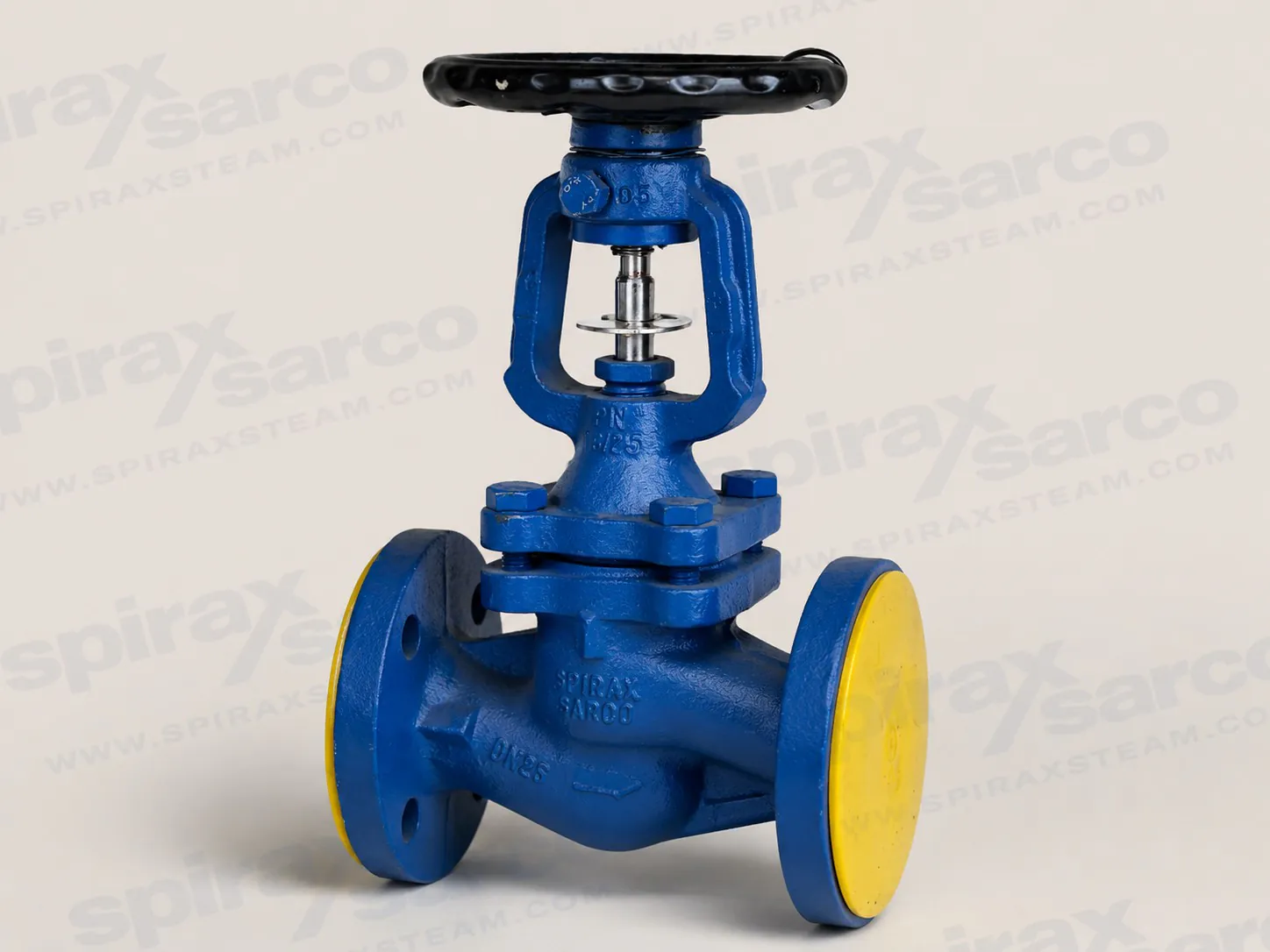
BSA1T Bellows Sealed Stop Valve
BSA1T is a cast iron, 16 bar bellows sealed stop valve with a throttling plug and locking device for manual isolation and limited throttling in steam, condensate, water, gas and compatible industrial fluid systems.
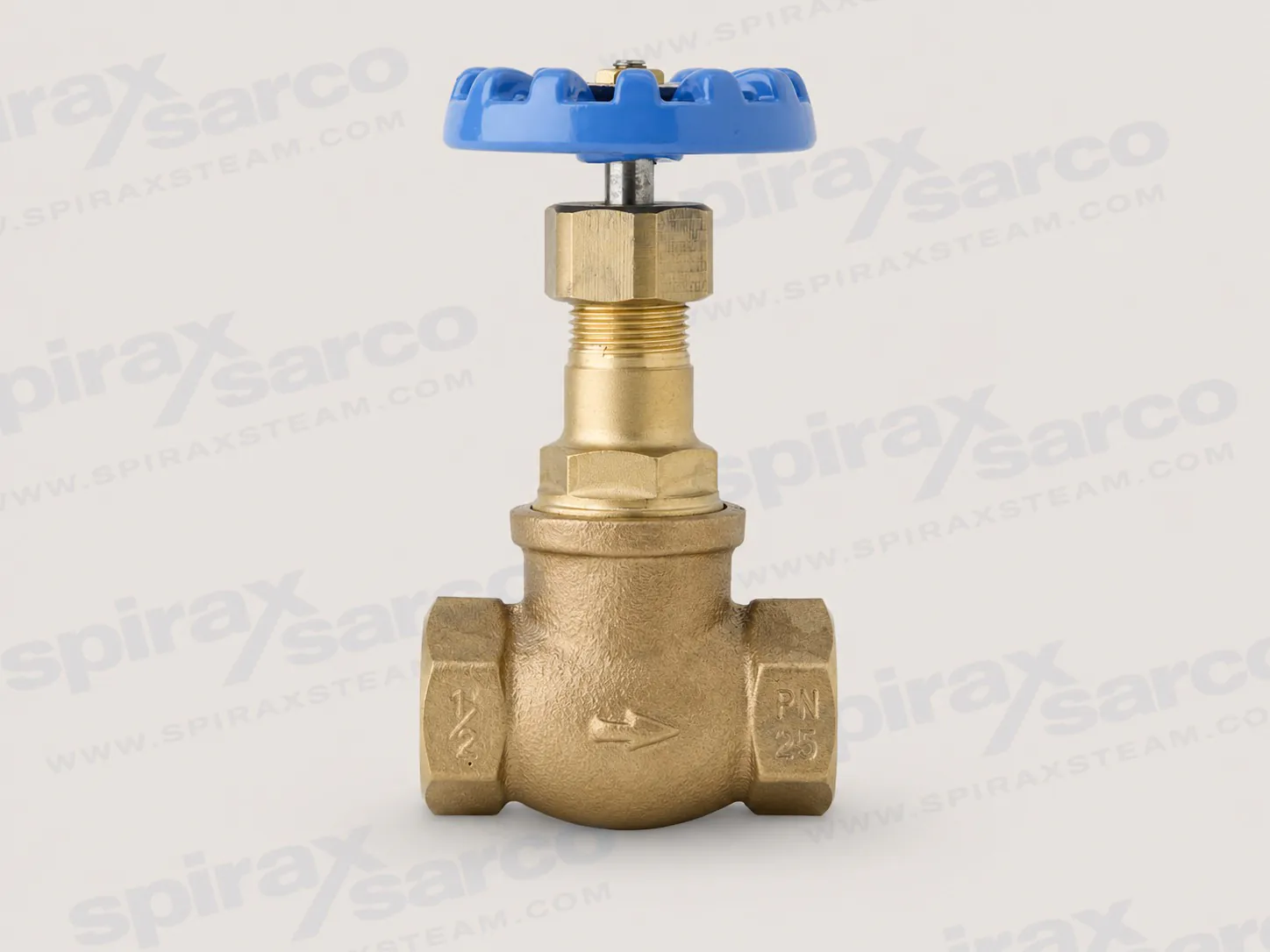
HV3 Bronze Globe Stop Valve
A PN25 gunmetal-bodied globe stop valve with screwed BSPP connections from ½ to 2 in for isolating compatible steam, water, oil and air services.
Sales Brochures
| Document | Reference | Language | Download |
|---|---|---|---|
| Isolation Valve Overview | SB-F05-03 | English | Download |
Continue your Spirax Sarco isolation valve research
Isolation valve selection often sits inside a wider steam-system decision covering maintenance access, leakage control, automation and application fit.
Understand the Spirax Sarco approach
Start with Spirax Sarco if you need broader context on steam expertise, international support and how valve choice fits wider thermal energy systems.
Choose isolation valves by application
Use industry pages when shut-off requirements depend on sector priorities such as hygiene, energy efficiency, reliability or compliance.
Connect valves with control solutions
Move into control valves, actuators and pressure control products when isolation needs sit alongside automated steam or process control.