

Overview
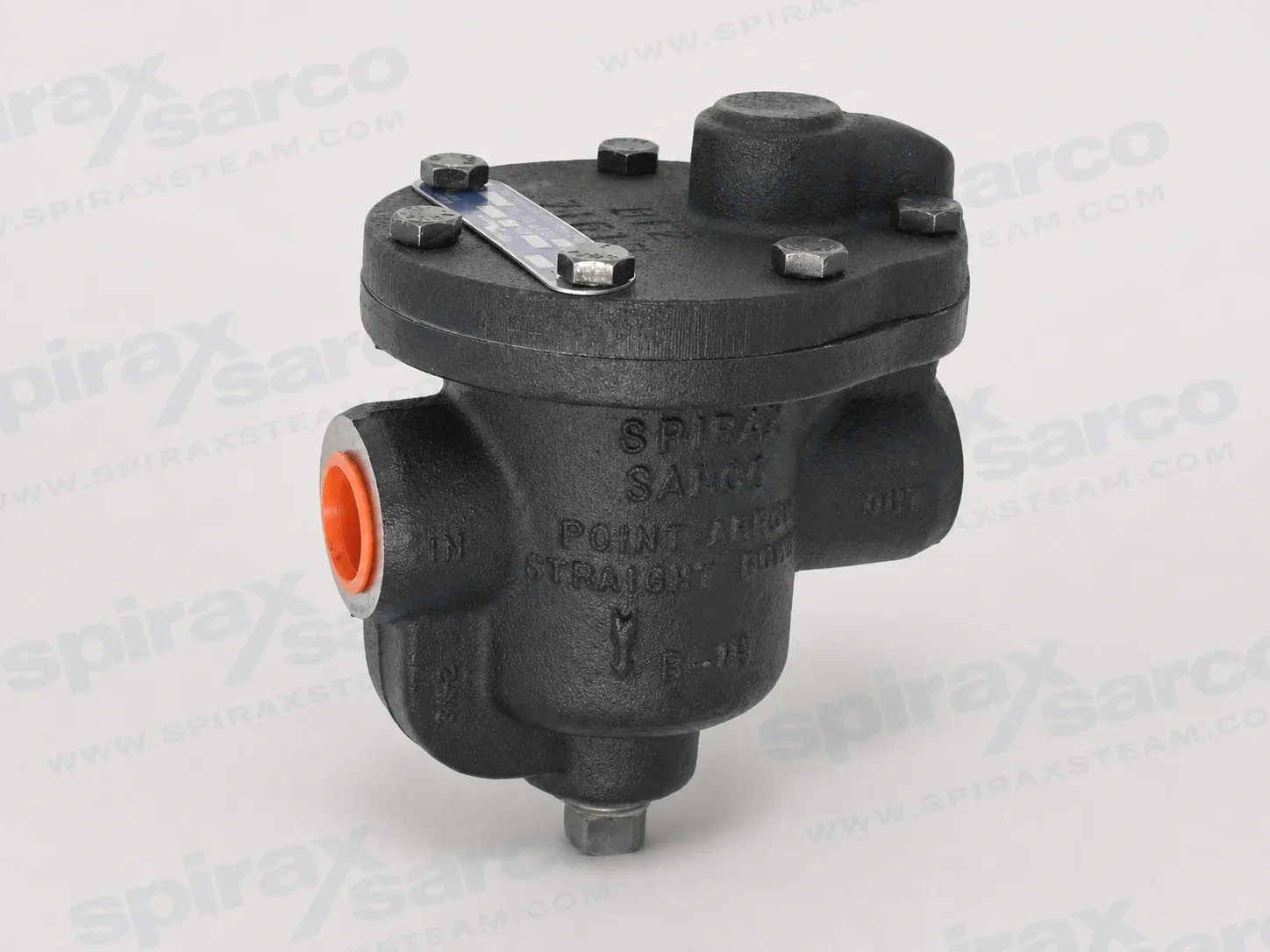
For many years Spirax Sarco inverted bucket steam traps have set the standard for performance and reliability. They are among the most robust mechanical trap types and operate using the density difference between steam and condensate. Their stainless steel internal mechanism, robust body construction, strong water seal and inlet check valve make them well suited to demanding steam applications, including superheated steam duties. Different orifice sizes allow matching to pressure and load conditions, and the range covers low, medium and high pressure operation up to 62 barg. They remain a strong option where mechanical simplicity, durability and dependable performance in difficult service conditions outweigh the need for more compact thermostatic or disc-type formats. That positioning keeps them relevant for users who value proven mechanical behaviour over a more compact but less rugged trap style.
Related mechanical-trap routes
Inverted bucket designs suit durable mechanical duties. If the application instead needs continuous condensate discharge for process equipment, compare float and thermostatic steam traps. Where compact higher-pressure drainage is the main requirement, continue into thermodynamic steam traps.
If maintenance standardisation is shaping the station design, also review swivel connectors and traps.
Continue your mechanical trap selection
Inverted bucket steam traps are often selected together with maintenance and monitoring strategy because their value lies in durable long-term service.
Compare the wider trap portfolio
Return to the wider steam traps range when you need to compare inverted bucket traps with ball float, thermodynamic or thermostatic trap families.
Standardise maintenance around the trap
Use swivel connectors and trapping stations when the trap decision also depends on faster replacement and more standardised maintenance access.
Add condition visibility to mechanical trap duties
Review steam trap monitoring when the next priority is detecting failure earlier across a larger installed trap population.