
Overview
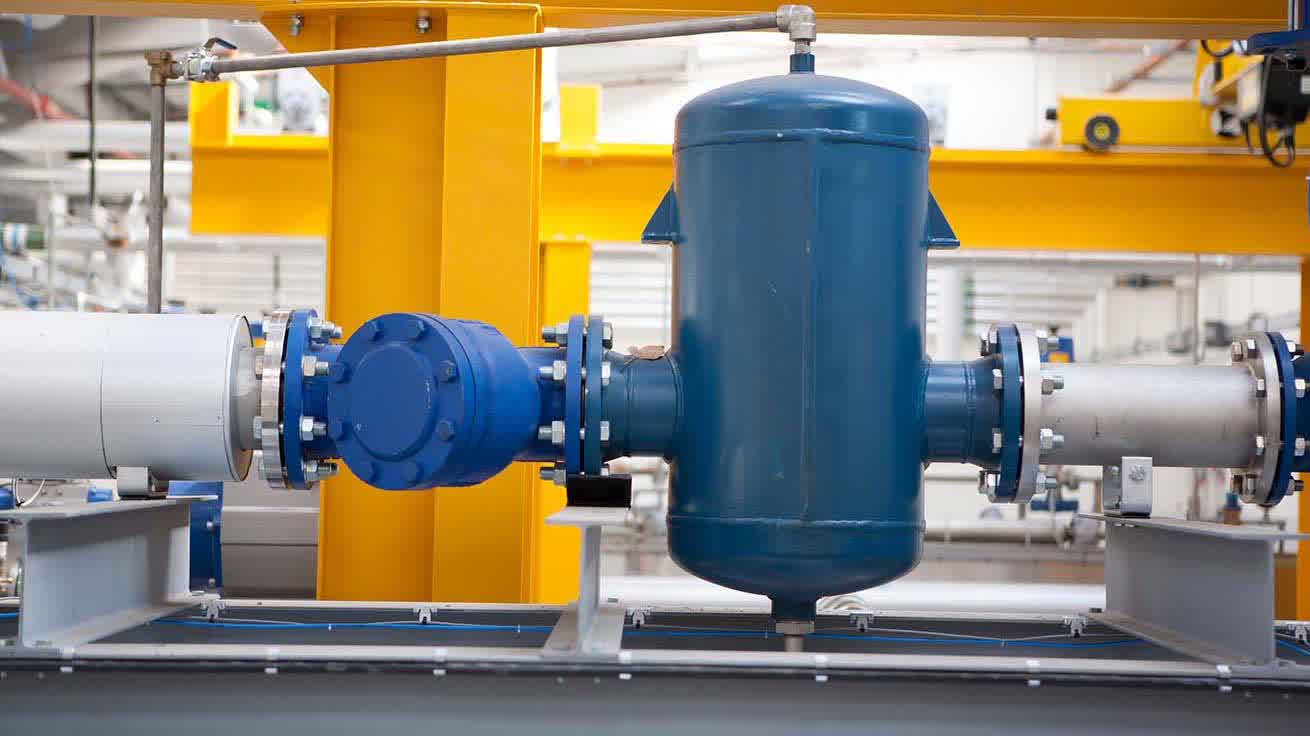
Air and other non-condensable gases cause long warm-up times, lower steam temperature at a given pressure, reduce heat transfer and accelerate corrosion across steam systems. Where the trap itself cannot vent air quickly enough or the steam space geometry creates dead spots, a separate air vent can be used to remove accumulated gases before they damage process performance. Spirax Sarco automatic air vents and air eliminators remove those gases without wasting live steam, helping systems heat up faster and operate more efficiently during start-up and normal running. The range includes vents for steam systems, liquid systems and clean steam duties, so the venting method can be matched to the fluid, cleanliness requirement and installation location. Correct venting strategy helps prevent the hidden losses associated with air binding, poor condensate drainage, unstable temperature control and gas pockets that sit beyond the reach of a standard drainage point. That makes separate venting especially relevant on separators, steam mains, process vessels and other locations where air release cannot be left to condensate drainage hardware alone.
Related venting and steam-condition routes
Air removal is often linked with drainage and line condition. If the same installation also needs moisture removal ahead of the process, compare steam separators. Where air release should be handled by the trap family itself, continue into steam traps.
For sanitary venting duty, compare thermostatic air vents and related clean steam systems.

Spirax Sarco AV13 Steam System Air Vent
AV13 is a Spirax Sarco brass balanced-pressure thermostatic air vent for steam systems. It is typically considered for high points on steam mains or equipment where air and other non-condensable gases need to be removed without manual venting.

Spirax Sarco AVC32 Carbon Steel Air Vent
AVC32 is a Spirax Sarco carbon steel balanced-pressure thermostatic air vent for steam systems, fitted with an integral flat strainer screen. Pressure-bearing components are made by TÜV-approved suppliers to AD-Merkblatt WO/TRD100, making it suitable for higher-pressure steam mains and equipment high points where air and other non-condensable gases need to be removed.
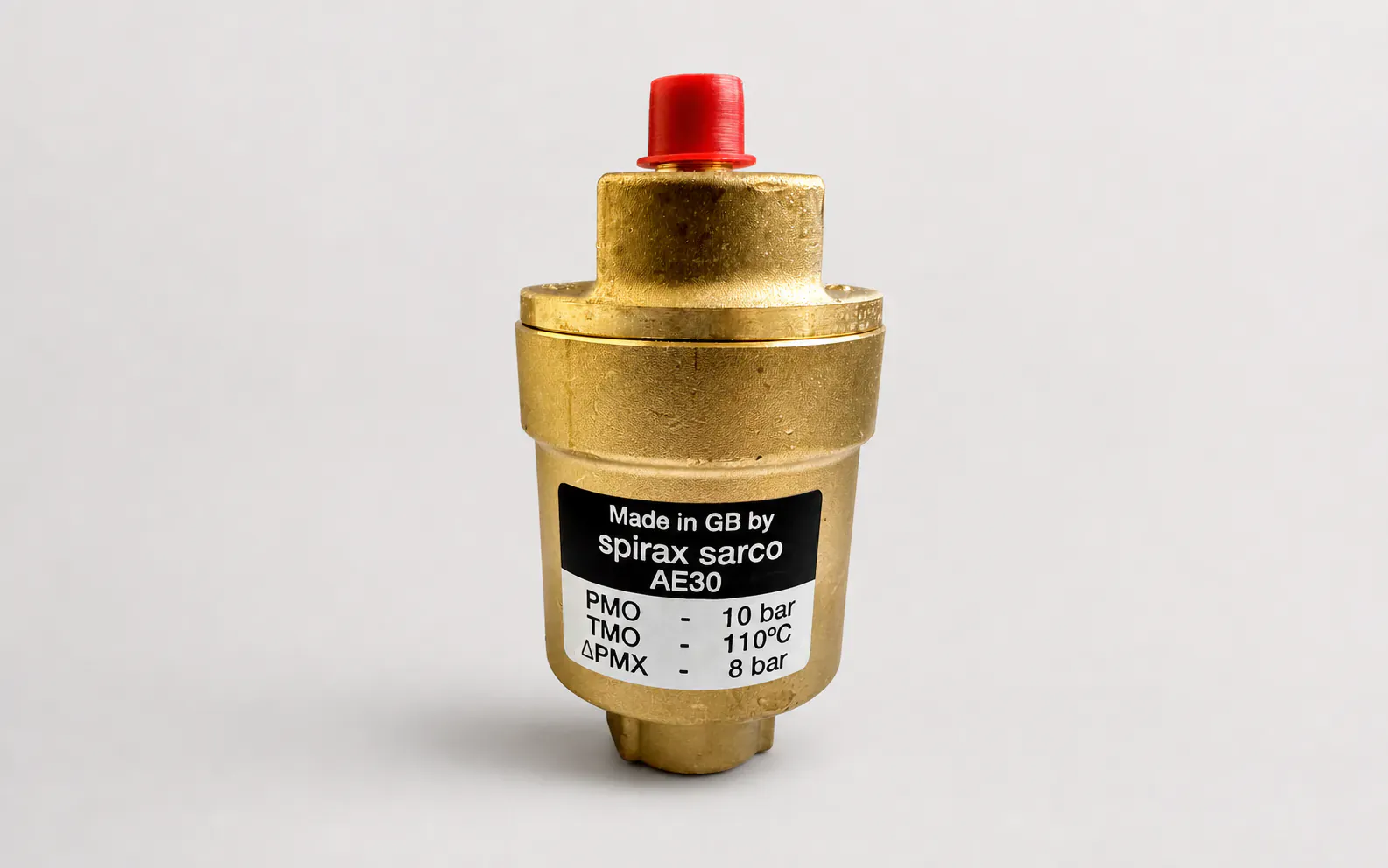
AE30 Liquid system automatic air exhaust valve
The AE30 series automatically removes air from hot- and cold-water liquid systems. View models and connections, pressure/temperature limits, free air capacity, installation, commissioning, maintenance, spares and ordering information.
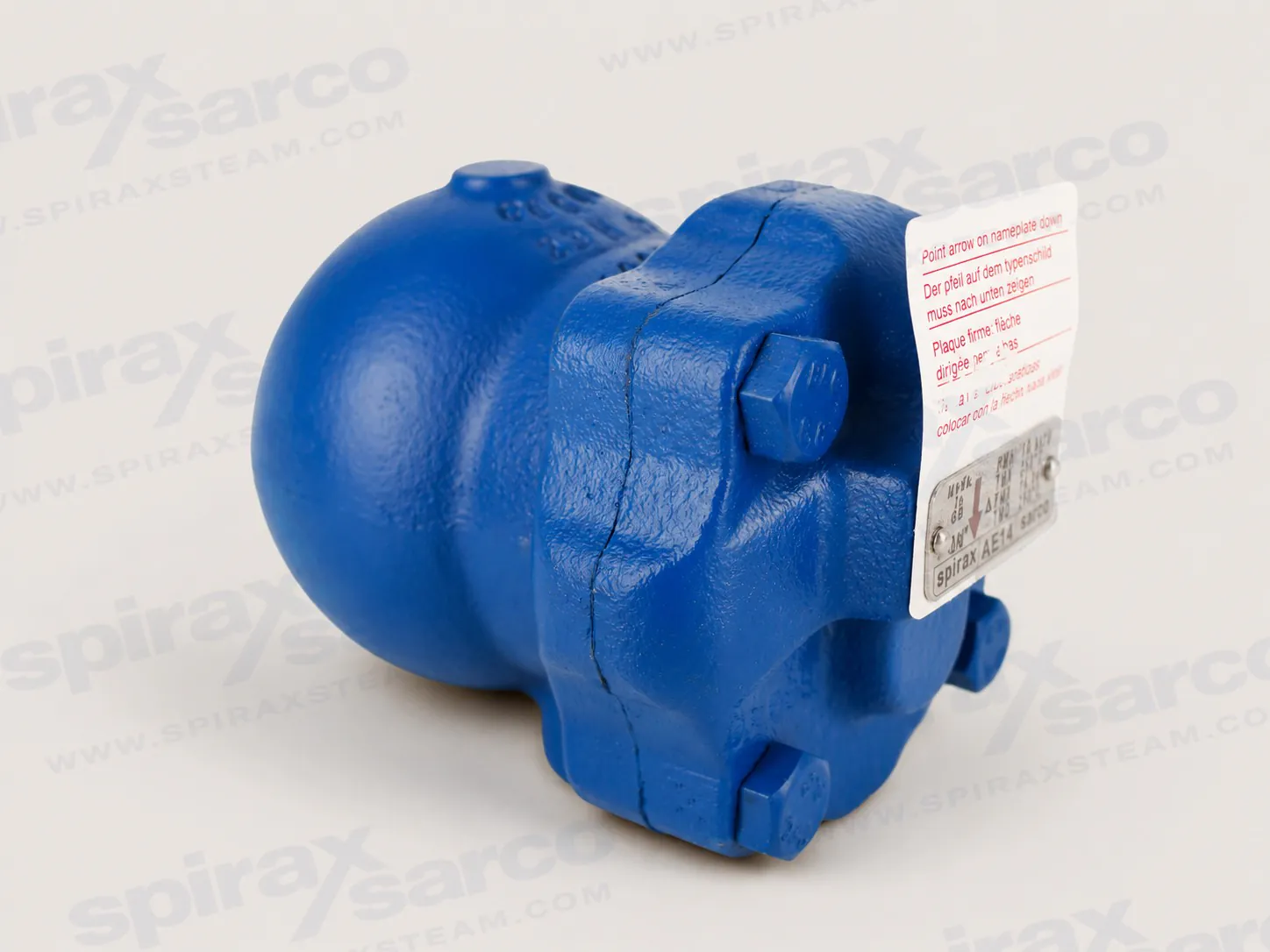
AE14 Automatic Air Vent for Liquid Systems
Spirax Sarco AE14 is a maintainable SG iron float-operated automatic air vent with a Viton valve head for removing air and gases from compatible liquid systems.
Continue your venting strategy selection
Air removal is rarely an isolated problem. The right venting approach depends on the steam space, the process duty and the surrounding system hardware.
See the wider line support range
Return to the wider pipeline ancillaries range when venting performance also depends on separation, drainage, indication or other line protection hardware.
Coordinate venting with trap selection
Some steam duties still rely on the air venting built into the steam trap itself, while others need a separate vent. Compare venting strategy with the main trap families here.
Support hygienic venting requirements
Use the clean steam range when air removal also needs to align with sanitary process design or high-purity steam applications.