
Overview
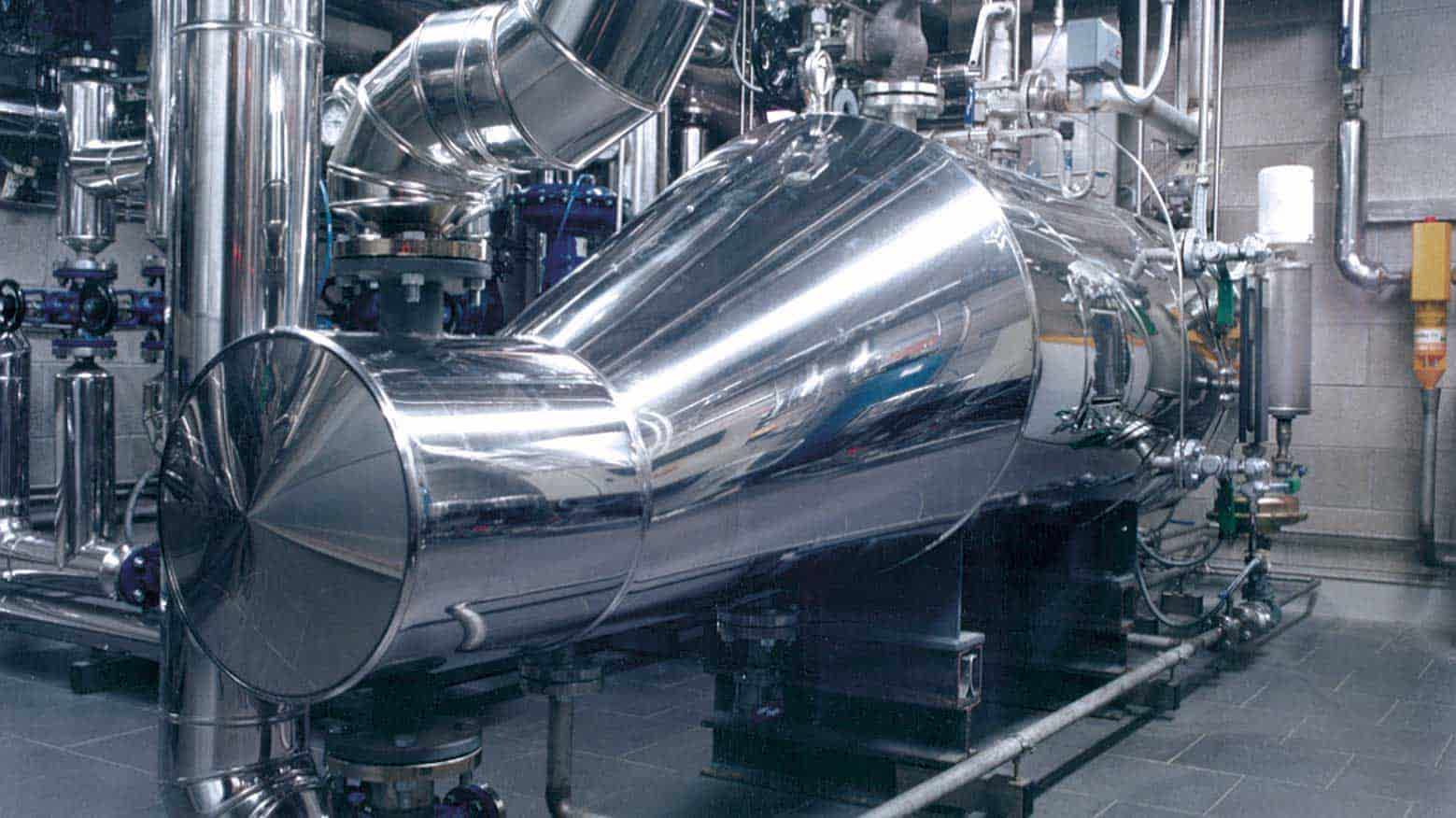
A steam jet thermocompressor helps recover low-pressure or flash steam by using higher-pressure motive steam to upgrade that lower-value steam into a more useful pressure for reuse in the process. This allows sites to extract more value from steam that might otherwise be vented, wasted or left at too low a pressure to support the duty where it is needed. The units are compact, lightweight and mechanically simple, with no moving or rotating parts, which helps keep maintenance demand low and makes installation practical in-line or in elevated positions. Oil-free discharge, quiet operation and suitability for hazardous areas add to their appeal where steam recovery must be achieved without introducing additional mechanical complexity or contamination risk. Thermocompressors therefore fit best on plants looking to improve steam efficiency, reduce waste steam losses and integrate steam recovery into a broader energy or heat transfer improvement strategy.
Related steam-recovery routes
Thermocompressors are usually selected as part of a wider energy-recovery project. If the recovered steam is feeding indirect heating duty, compare steam heat exchangers. Where the site also needs clearer visibility of recovered-steam value, add steam flowmeters.
For the wider thermal-systems view, return to heat transfer solutions.
Continue your steam recovery selection
Thermocompressors are most valuable when low-pressure steam would otherwise be wasted or underused and the site wants to recover more useful work from the existing steam system.
See the wider thermal efficiency context
Return to the wider heat transfer solutions range when steam recovery is one part of a broader thermal efficiency or packaged heat use project.
Connect steam recovery to heat use
Review heat exchangers when recovered steam also needs to support indirect heating duties or integrated thermal package design.
Measure the value of recovered steam
Use flowmetering routes when steam recovery performance also needs clearer measurement and energy visibility.