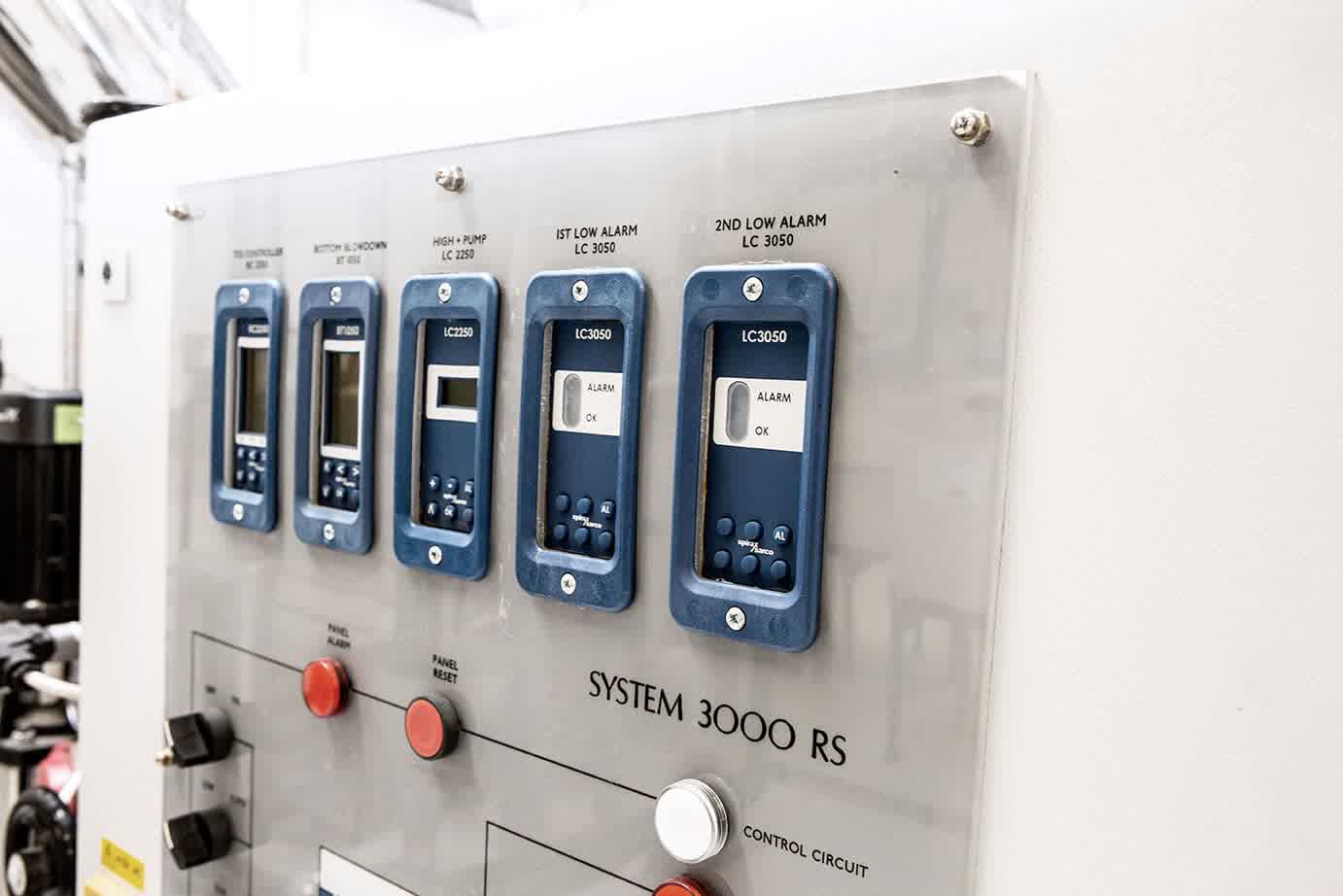
How control valves work, their correct sizing, and the role of actuators, positioners, controllers and sensors in steam and water systems.

Control Valves

Get to know the different types of control valves used in steam and fluid systems. The differences between linear and rotary valves, with two or three-ports, is simply explained using animated diagrams.

Control Valve Capacity

Valves work by altering either flowrate or differential pressure. Gain an understanding of the flow coefficient, and how it is used to compare valve performance.

Control Valve Sizing For Water Systems

Here you will find out how to correctly size valves using either equations or charts. The difference between imperial and metric measurements is explained, how two- and three-port valves differ in how they operate, and why valve authority, cavitation, and flashing need to be considered.

Control Valve Sizing For Steam Systems

Your complete guide to unravelling the complicated subject of steam control valve sizing. Find out how to use formulae and steam tables to make sure you have the right sized valve, the issues you may need to consider (velocity, noise, erosion, drying, and superheated steam), together with a checklist of the 20 major factors to assess your system.

Control Valve Characteristics

Different types of valve plug have different flow characteristics. This section gives you a thorough understanding of the three main types (fast opening, linear, and equal percentage), and using detailed case studies, how the flowrates are calculated.

Control Valve Actuators and Positioners

This section looks at how actuators enable valves to work, the differences between pneumatic and electric versions, how reverse acting and direct acting actuators work, and why positioners are sometimes also essential for safe and accurate control.

Controllers and Sensors

What they are, when to use them, and the many variations available. We also look at advanced control systems using the HART protocol and fieldbus standards.