
Isolation valves > Bellows sealed stop valves
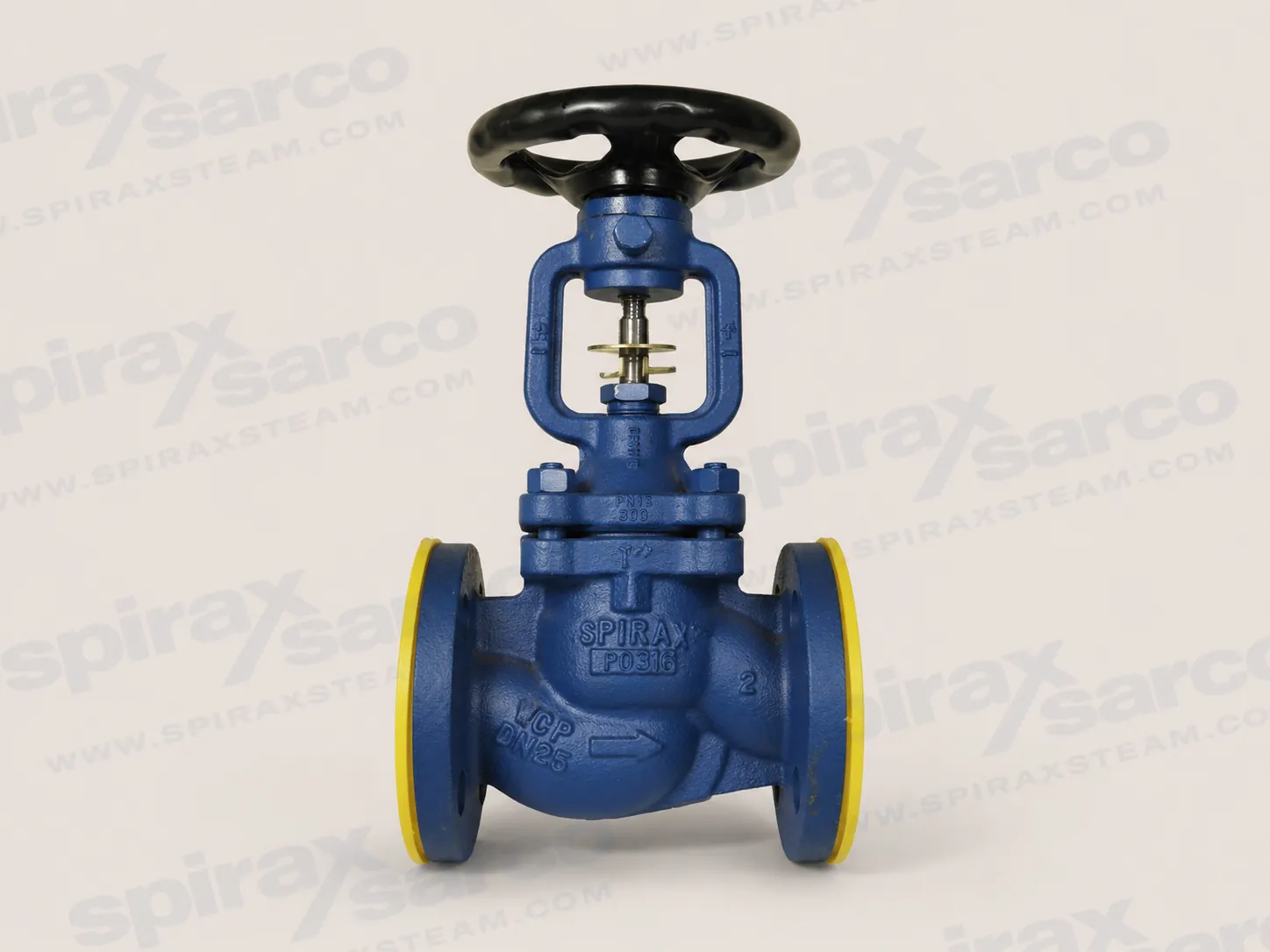
Spirax Sarco BSA3T Bellows Sealed Stop Valve
BSA3T is the carbon steel branch of the Spirax Sarco BSA and BSAT bellows sealed stop valve family. It combines a carbon steel body and double bellows sealing to reduce external stem leakage risk while supporting dependable manual isolation and limited throttling in higher-pressure steam, condensate, gas and industrial fluid duties.
Carbon steel body for higher-pressure isolation routesDouble bellows sealing to reduce external stem leakage riskSuitable for steam, condensate, gas and industrial fluid servicesCan support limited manual throttling where specified
Quick facts
ModelBSA3T
Body materialCarbon steel
Typical pressure ratingPN40
Typical size rangeDN15 to DN150
Where BSA3T fits in the family
The BSA3T route is for users who want the external leakage-control benefits
of the wider BSA / BSAT family, but in a carbon steel and higher-pressure
format. In practice, it becomes relevant when the ductile iron branch no longer
offers enough operating margin for the duty.
Why the carbon steel PN40 route matters
BSA3T does more than change body material. It also gives buyers a defined
PN40 position inside the same bellows sealed family, which helps on steam,
condensate and process duties where stronger body construction and lower
external leakage risk need to move together.
Typical services and selection scope
BSA3T can usually be reviewed for:
- higher-pressure steam main and branch isolation
- condensate and hot-fluid shut-off points
- gas and industrial liquid isolation duties
- maintenance isolation points where lower external leakage matters
- bypass or limited manual throttling duties where that operating style is required
If the duty moves closer to continuous regulation than isolation, check the pressure drop, target flow and operating condition carefully before treating a manual stop valve as a full control-valve substitute.
What to confirm before final selection
Before ordering or standardising BSA3T, confirm:
- the required flange standard and end connection
- whether
PN40matches the real pressure and temperature envelope - the actual size needed within the
DN15toDN150range - whether the valve is for shut-off only or also for limited throttling
- whether the project should stay aligned with broader
BSA / BSATdocumentation
If the project is still comparing a lower-pressure option in the same family, review the BSA2T bellows sealed stop valve as well.
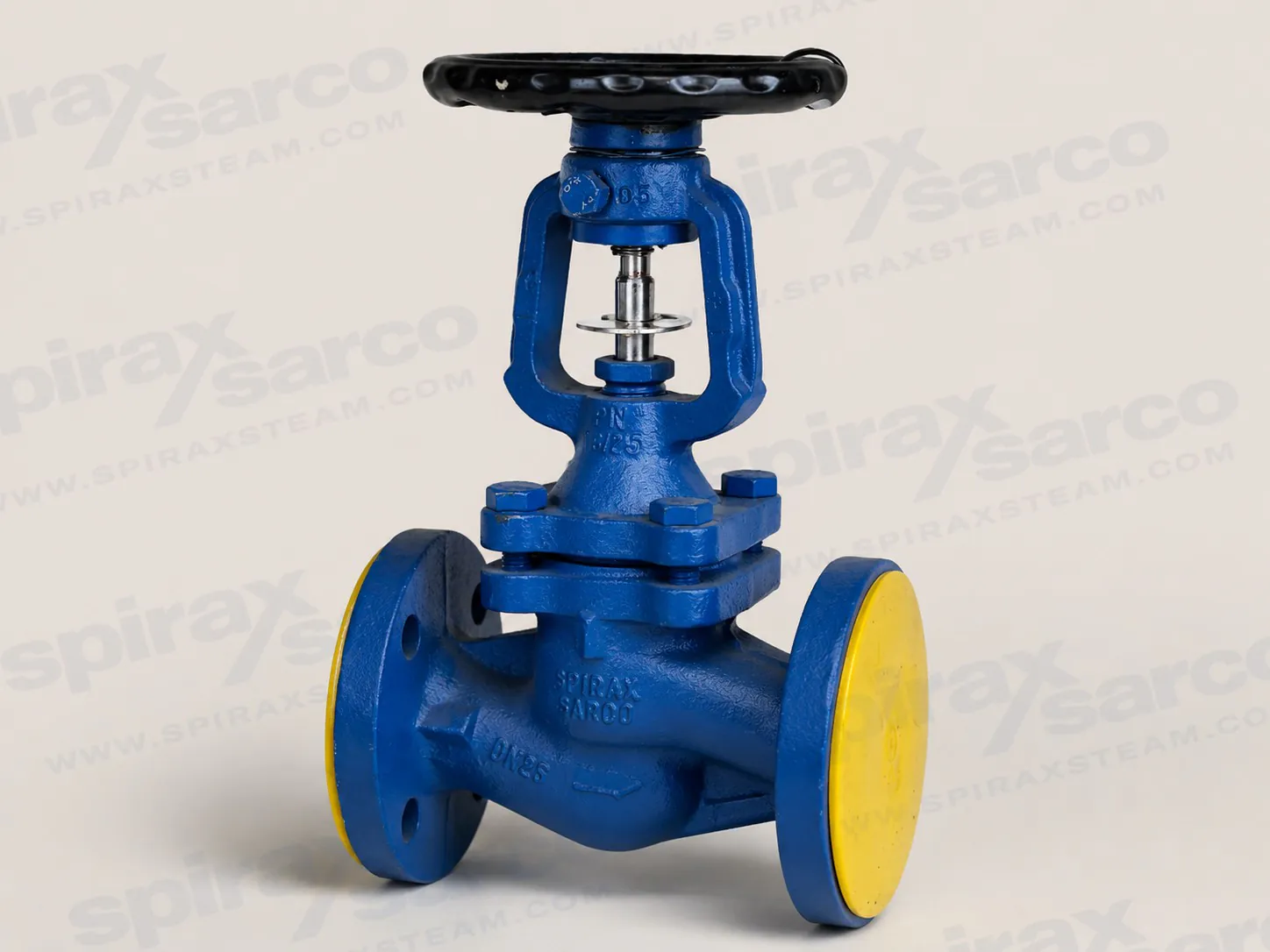

Continue your BSA3T selection route
BSA3T is usually reviewed when the duty needs carbon steel construction, stronger external leakage control and a higher pressure class inside the same bellows sealed family.
See the full terminal category
Return to the bellows sealed stop valve terminal category when you need to compare BSA3T with BSA2T and other shut-off routes in the same family.
Compare against other isolation formats
Review the wider isolation valve range if the project also needs comparison against ball valves or other manual isolation formats.
Protect upstream valve performance
Move into strainers and filters when fluid cleanliness matters for protecting shut-off seats and throttling internals in higher-pressure service.