
Back to the TD trap family
Return to the thermodynamic steam trap category when you need to compare TD52 with the wider disc-trap family.
Steam traps > Thermodynamic steam traps
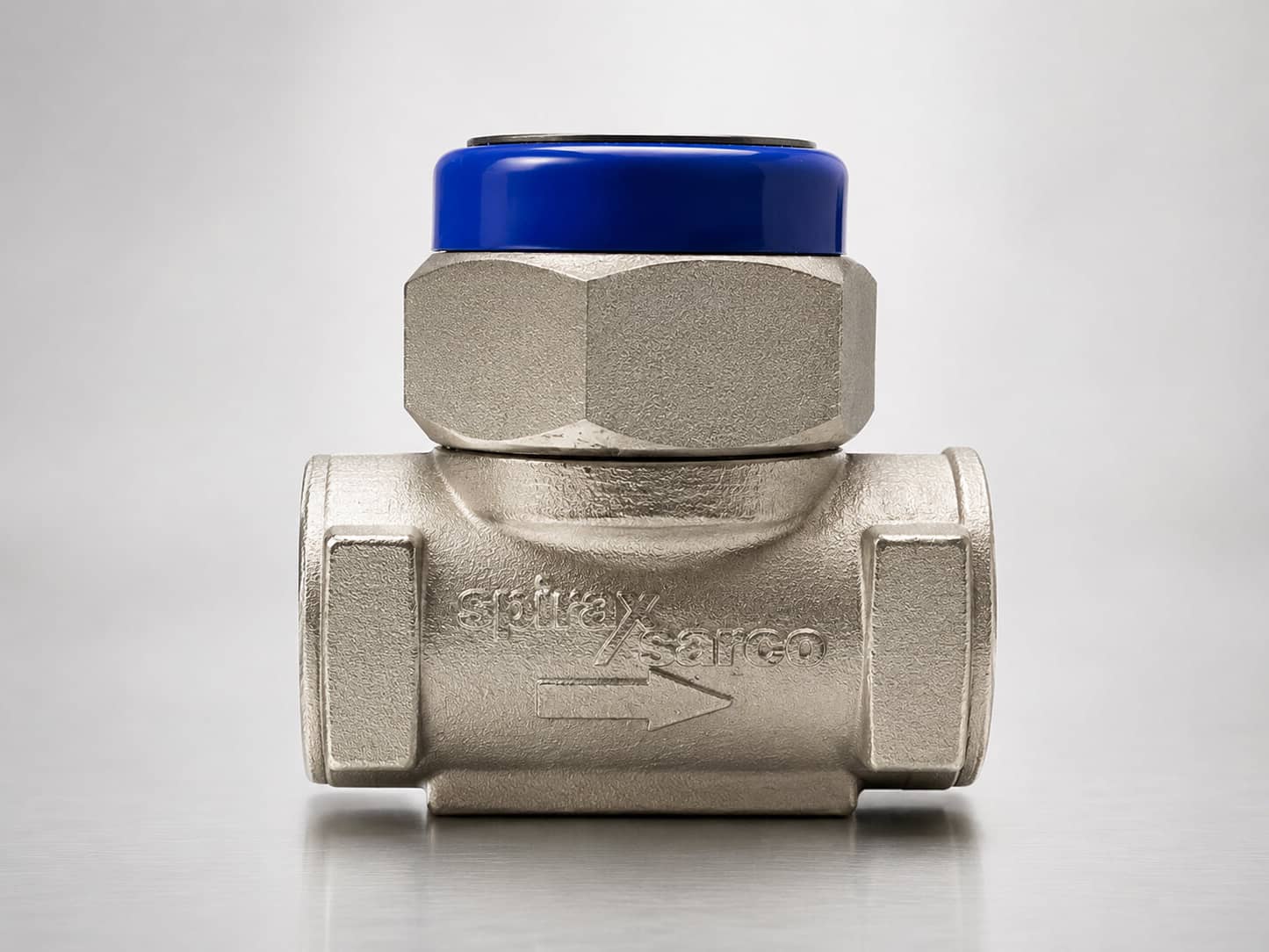
TD52 thermodynamic steam trap
The TD52 route is the model-level entry for users searching TD52, TD52M or adjacent replacement variants inside the Spirax Sarco thermodynamic steam trap family. Current documentation centres on the maintainable stainless steel TD52M range for steam mains and other relatively small condensate duties.
Quick facts
TD52 is the search-led route for users who are no longer looking for a generic
disc trap and instead need direct product information for Spirax Sarco TD52,
TD52M or a nearby installed-base replacement. The current documented product
boundary sits around the maintainable TD52M / TD52MLC / TD52MA / TD52MLCA
family, so this page is the right commercial entry for that model cluster.
Current technical and installation material confirms these boundaries:
TD52M family products are maintainable thermodynamic steam traps in stainless steelLC variants cover lower-capacity duties and A variants add anti-air-binding disc routes1/4" to 1", with TD52MLC and TD52MLCA at 1/2"PN630.25 bar for TD52M / TD52MLC and 0.8 bar for TD52MA / TD52MLCA3/8", 1/2" and 3/4" sizesPublished material also confirms preferred horizontal installation, although the trap can operate in other orientations.
Before moving into final specification, confirm:
TD52M route or move to an LC low-capacity variantA variants more appropriate1/4", 3/8", 1/2", 3/4" or 1"If the project still needs wider family comparison, return to thermodynamic steam traps or the wider steam traps route. If the next step is working-principle confirmation, continue into thermodynamic steam trap knowledge.
TD52 selection usually happens after the project already knows it wants a compact disc trap and now needs clearer model-family boundaries.
Return to the thermodynamic steam trap category when you need to compare TD52 with the wider disc-trap family.
Review the wider steam trap range when the project still needs comparison between thermodynamic, ball float and inverted bucket formats.
Continue into thermodynamic trap knowledge when the next step is checking operating principle, application fit or maintenance logic.