
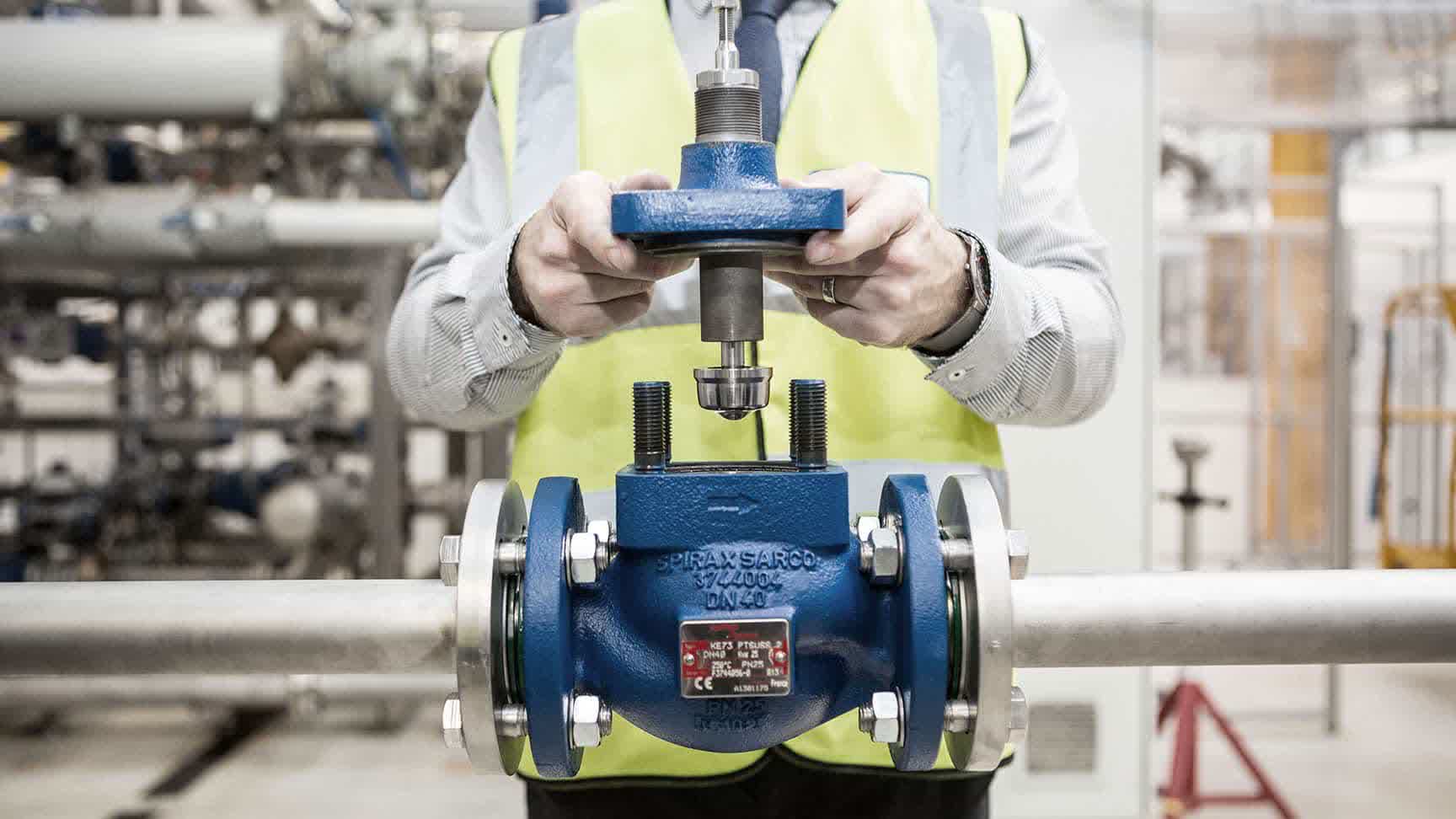
Sistem kontrol steam Spirax Sarco mengumpulkan lapisan katup, aktuasi, dan instrumentasi yang diperlukan untuk mengelola tekanan, suhu, dan aliran di berbagai aplikasi steam dan cairan industri.
Kategori ini adalah rute utama bagi pembeli yang mencari katup kontrol steam, katup pengurang tekanan, regulator steam, aktuator, posisioner, sensor, dan kontrol suhu self-acting dalam satu keluarga produk yang terhubung.
Overview
Sistem kontrol yang andal melakukan lebih dari sekadar membuka dan menutup katup. Ia memerlukan badan katup, trim, aktuator, metode sensing, dan logika kontrol yang tepat untuk kondisi operasi, rangeability, dan ekspektasi pemeliharaan pabrik. Pengurangan tekanan, regulasi suhu, desuperheating, dan perlindungan tekanan berlebih sangat terkait dalam sistem steam, sehingga pengguna sering perlu membandingkan beberapa pendekatan kontrol sebelum menyelesaikan paket. Solusi self-acting tetap berharga di mana kesederhanaan, kesesuaian area berbahaya, atau kemandirian dari daya eksternal penting, sementara aktuasi pneumatik dan listrik mendukung modulasi yang lebih ketat dan integrasi sistem yang lebih luas. Posisioner, pengontrol, dan sensor meningkatkan pengulangan dengan menjaga pergerakan katup aktual tetap selaras dengan sinyal kontrol, terutama ketika tekanan diferensial, gesekan, atau perubahan beban proses dapat mengurangi akurasi. Sistem kontrol Spirax Sarco oleh karena itu paling baik dipilih sebagai perakitan yang terkoordinasi daripada komponen yang terisolasi, membantu pengguna membangun arsitektur kontrol sistem steam yang lebih aman, stabil, dan mudah dirawat.
How To Choose A Steam Control Route
Quick answer: A steam control system usually combines the control element, the actuation method, the sensing and signalling layer, and any supporting pressure-protection or steam-conditioning hardware needed for stable operation at the point of use.
In practical terms, pressure reducing valves solve point-of-use pressure control, actuated control valves solve signal-driven modulation, and self-acting controls solve simpler thermal duties where independence from external power matters.
| Control objective | Best-fit route | Choose it when | Not ideal when |
|---|---|---|---|
| Lower or stabilise downstream steam pressure | Pressure reducing valves and steam regulators | You need a dedicated pressure reducing station, want to protect lower-rated downstream equipment, or need stable process pressure close to the point of use. | The duty depends on a remote control signal, frequent modulation against changing load or tighter integrated loop control than a self-acting regulator normally provides. |
| Continuously modulate pressure, temperature or flow | Control valves with electric or pneumatic actuation | You need a packaged valve assembly that responds to changing process conditions, remote signals or wider automation architecture. | The application is a simple local duty where no external power, no instrument air and low commissioning complexity matter more than advanced modulation. |
| Maintain process temperature without external power | Self-acting temperature controls | You need dependable local thermal control on steam-heated plant, especially where simplicity, hazardous-area suitability or remote location matter. | You need remote setpoint changes, data feedback, plant-wide automation or a faster-response control strategy tied to changing process signals. |
| Add precise remote valve positioning without plant air | Electric actuators | Smart positioning, automatic commissioning, diagnostics visibility and reduced routine air use are important to the project. | The site already depends on instrument air or the wider control approach is built around pneumatic response and air-powered feedback. |
| Build an air-powered modulating valve package | Pneumatic actuators and positioners | Instrument air is already available, fast response matters, or the duty needs established pneumatic positioning against changing differential pressure. | You are trying to reduce routine air use, simplify commissioning around electric actuation or avoid dependence on plant air infrastructure. |
| Reduce superheated steam temperature before use | Desuperheaters | You need accurate outlet-temperature control on superheated steam before a downstream process, turbine bypass duty or temperature-sensitive application. | The real requirement is only pressure reduction or basic flow control without a superheated-steam temperature-management problem. |
Steam Control Systems FAQ
What does a steam control system include?
A steam control system normally includes the valve body or regulator, the actuation method where modulation is required, the sensing and control-signal layer, and any adjacent hardware needed to protect pressure, improve steam condition or stabilise repeatability.
When should you choose self-acting control instead of actuated control?
Self-acting control is often the better fit when the duty needs simple, reliable temperature control without external power, compressed air or more complex control architecture. Actuated control is usually the stronger route when the application needs tighter modulation, remote positioning, diagnostics visibility or integration with plant control systems.
When is a pressure reducing valve the right route?
A pressure reducing valve is the right route when the main requirement is to lower or stabilise downstream steam pressure close to the process. This is often part of a wider station decision that also involves strainers, separators, gauges and downstream overpressure protection.
How do electric and pneumatic actuators differ?
Electric actuators are often chosen for smart positioning, easier commissioning and lower routine air use, while pneumatic actuators are often preferred where instrument air already exists and the control architecture is built around air-powered response and positioner feedback.
Typical steam-control decision patterns
Pressure reducing stations and point-of-use steam supply
If the main decision starts with lowering boiler-house pressure to a more usable process pressure, begin with pressure reducing valves and then assess the wider station hardware around steam condition, pressure indication and downstream protection.
Signal-driven modulation on heat exchangers, vessels and process lines
If the duty depends on changing load, remote setpoints or repeatable control around a process variable, the valve package usually needs an actuated control valve supported by the right actuator, positioner and signal architecture.
Simple thermal duties where independence from utilities matters
If the site wants a dependable local temperature solution without instrument air or electrical power, self-acting temperature controls remain a strong route for steam-heated applications that do not need broader automation.
Typical routes from common control-system searches
Most control-system searches split quickly between pressure management, modulating control and actuation strategy. Move first into pressure reducing valves when downstream pressure stability is the main requirement. If the duty depends on signal-driven modulation, compare steam control valves.
Use electric actuators when smart positioning, diagnostics visibility or lower routine air use matter most. Use pneumatic actuators when plant air, faster response or established pneumatic architecture already shape the package. Add valve positioners when repeatable valve movement and better signal tracking are part of the requirement, and review self-acting temperature control valves when the duty should stay independent of external power.
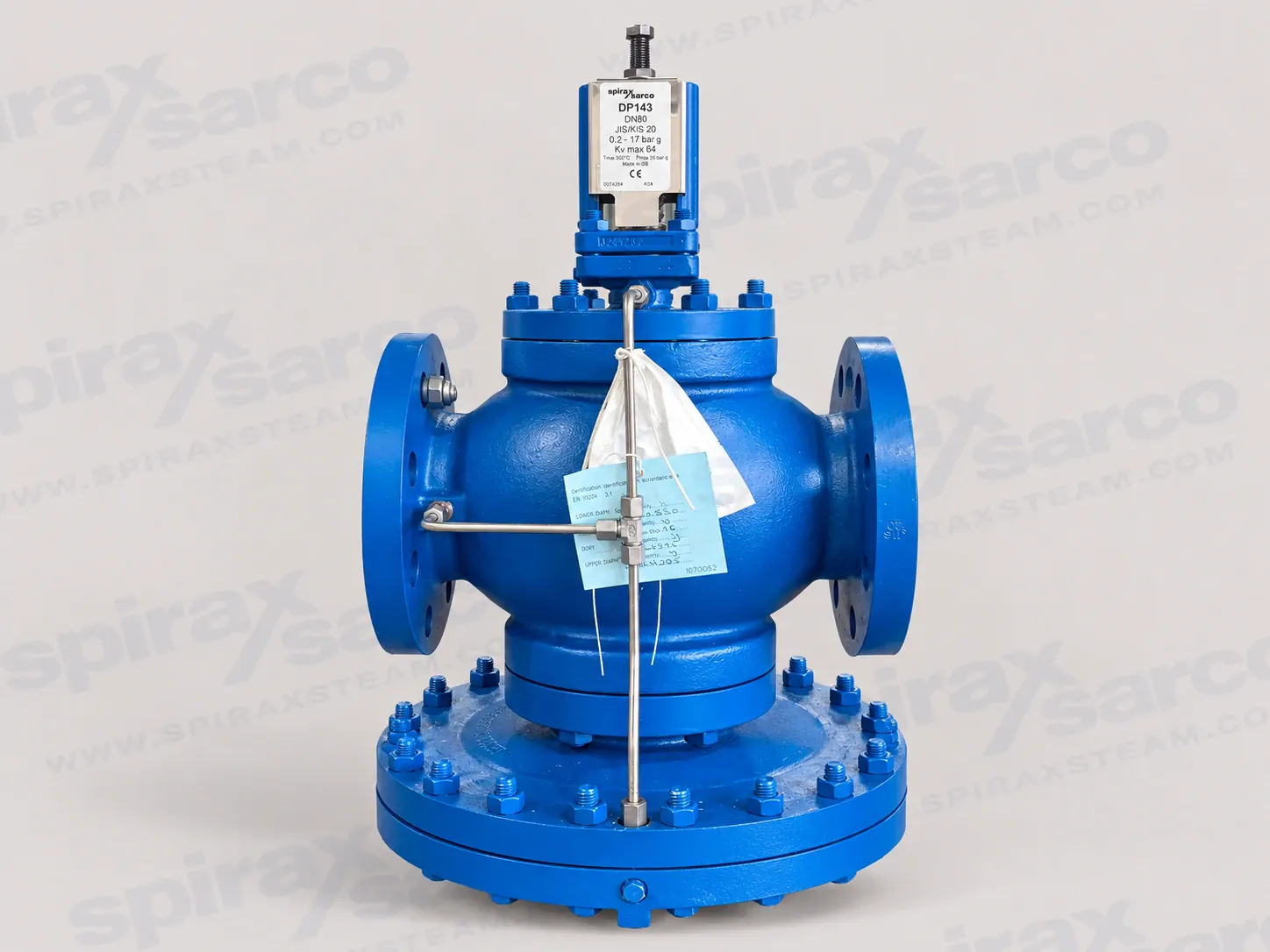
Katup Reduksi Tekanan Berpengarah DP143
DP143 adalah katup reduksi tekanan berpengarah dengan bodi baja cor untuk layanan uap, yang terdokumentasi dalam ukuran DN15LC to DN80 dengan rentang pegas hilir yang dapat dipilih dari 0.2 to 24 bar g.
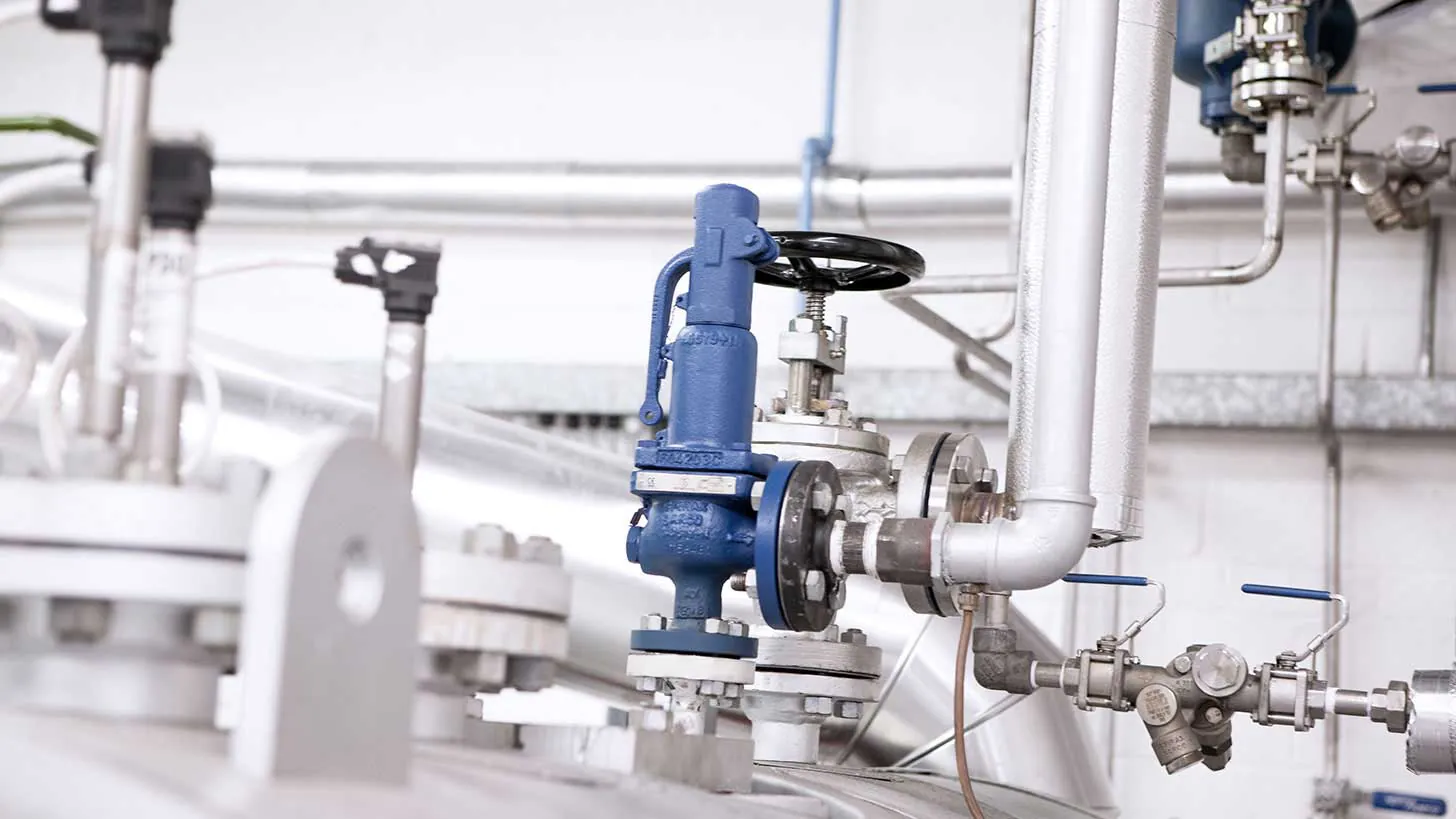
Katup Pengaman Berflensa Angkat Penuh SV604
SV604 adalah katup pengaman berflensa angkat penuh dari baja karbon untuk uap, gas industri inert, dan air, dengan ukuran inlet DN20–DN150, sambungan inlet PN40 atau ASME 300 yang terdokumentasi, serta rentang suhu -10 °C hingga 400 °C sesuai batas teknis.
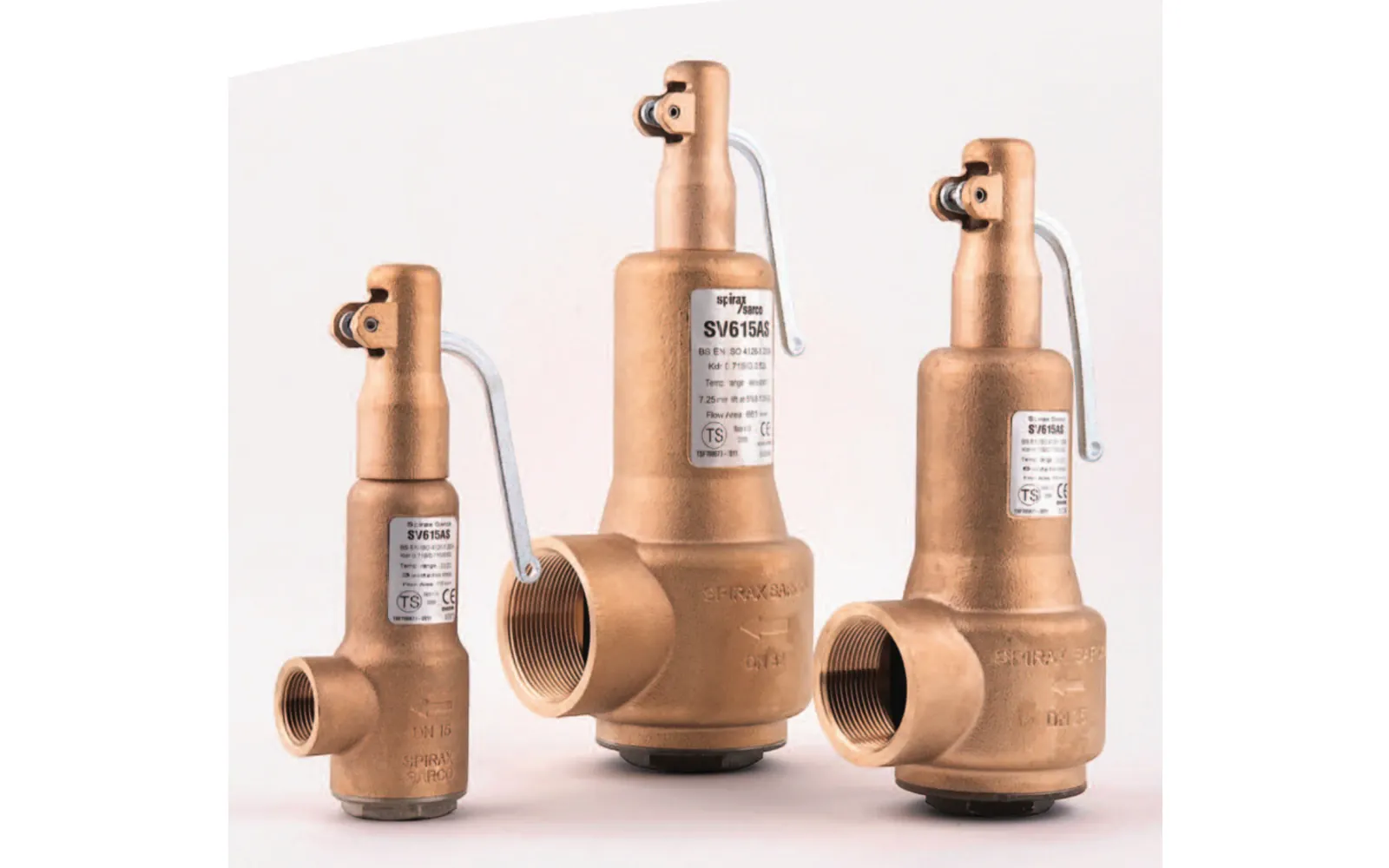
Katup Pengaman SV615
Spirax Sarco SV615 adalah katup pengaman perunggu dengan pengangkatan penuh dan nosel penuh untuk uap, udara, gas industri inert, dan cairan yang tidak berbahaya dalam ukuran berulir DN15-DN50.
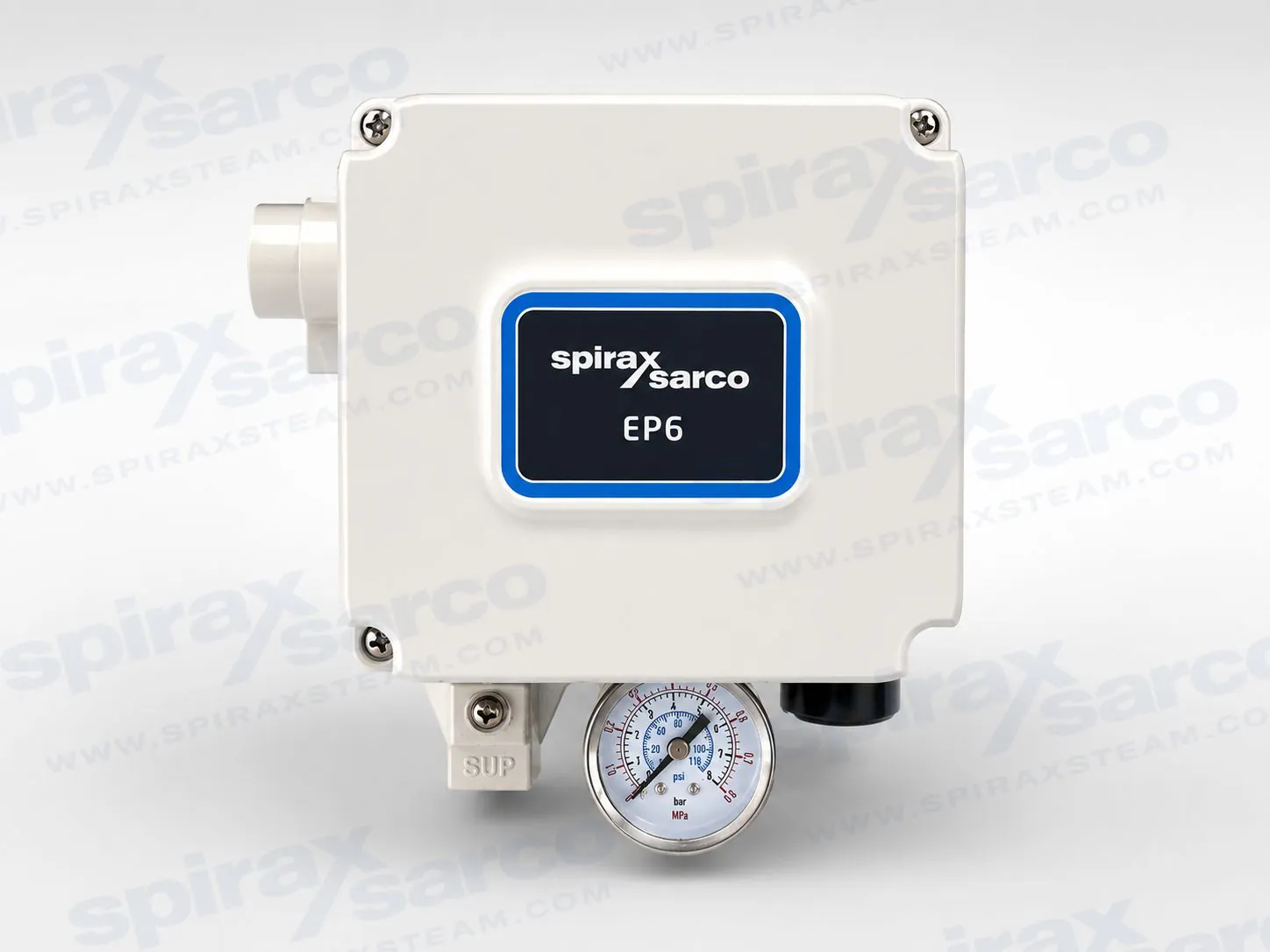
Positioner Elektro-pneumatik EP6
Positioner elektro-pneumatik 4-20 mA untuk aktuator katup pneumatik linear dan putar yang kompatibel dengan NAMUR, dengan konfigurasi area aman dan Ex khusus persetujuan.
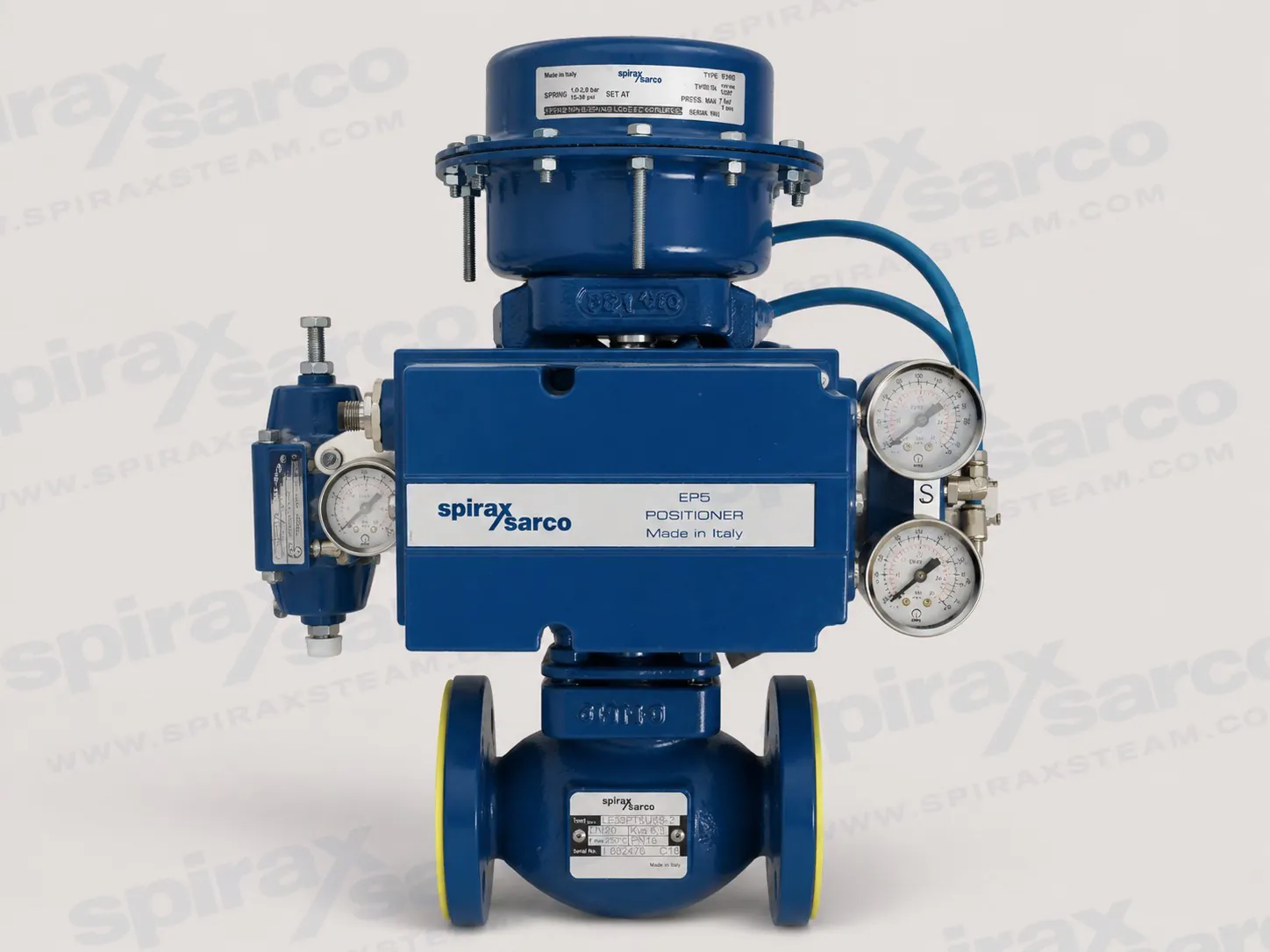
LE33
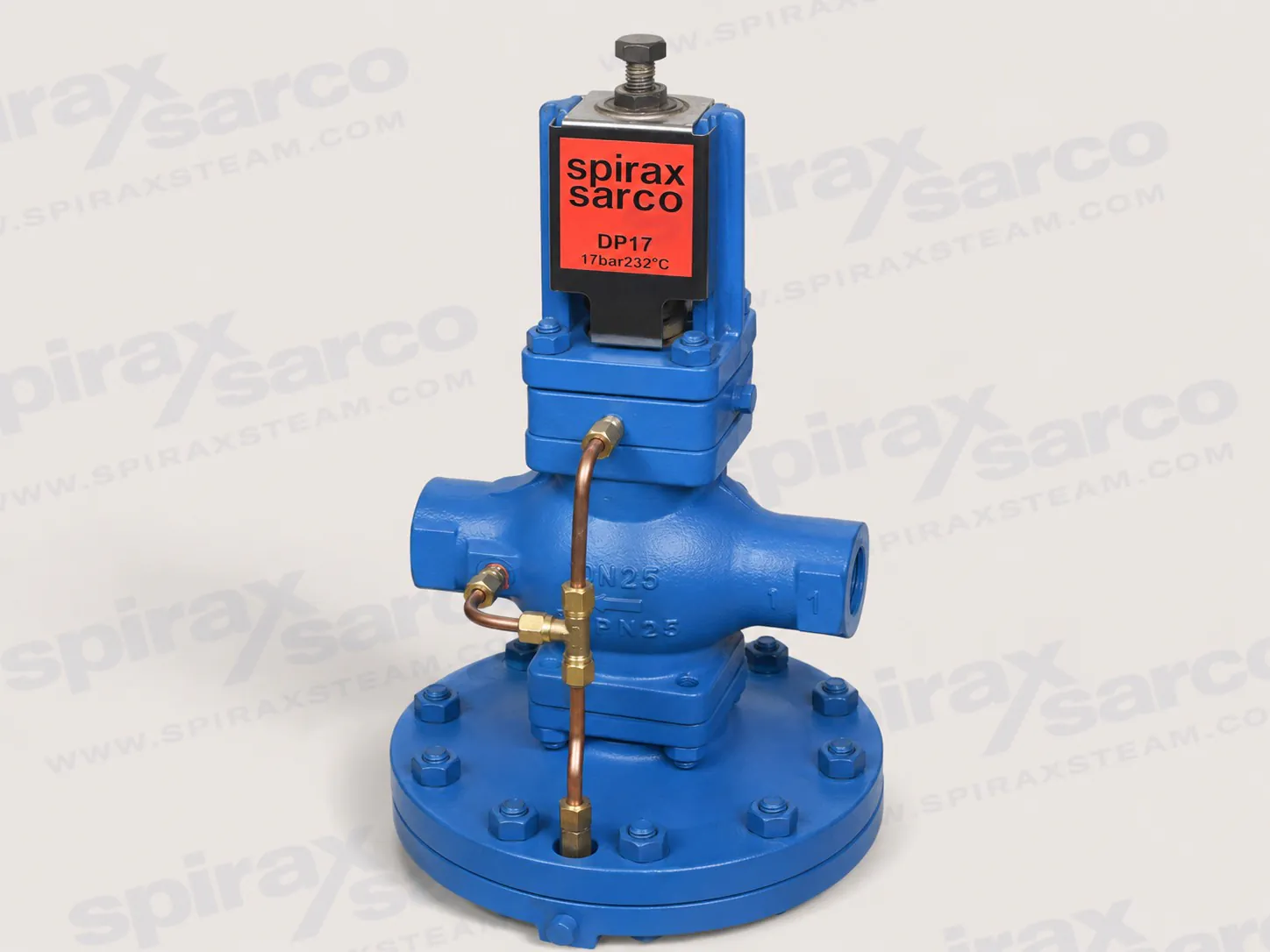
DP17 Katup Pengurang Tekanan yang Dikendalikan Pilot
DP17 adalah katup pengurang tekanan yang dikendalikan pilot untuk mengontrol tekanan uap, dengan ukuran dari DN15LC hingga DN50, rentang penyesuaian 0.2-17 bar g, dan kondisi desain bodi PN25.
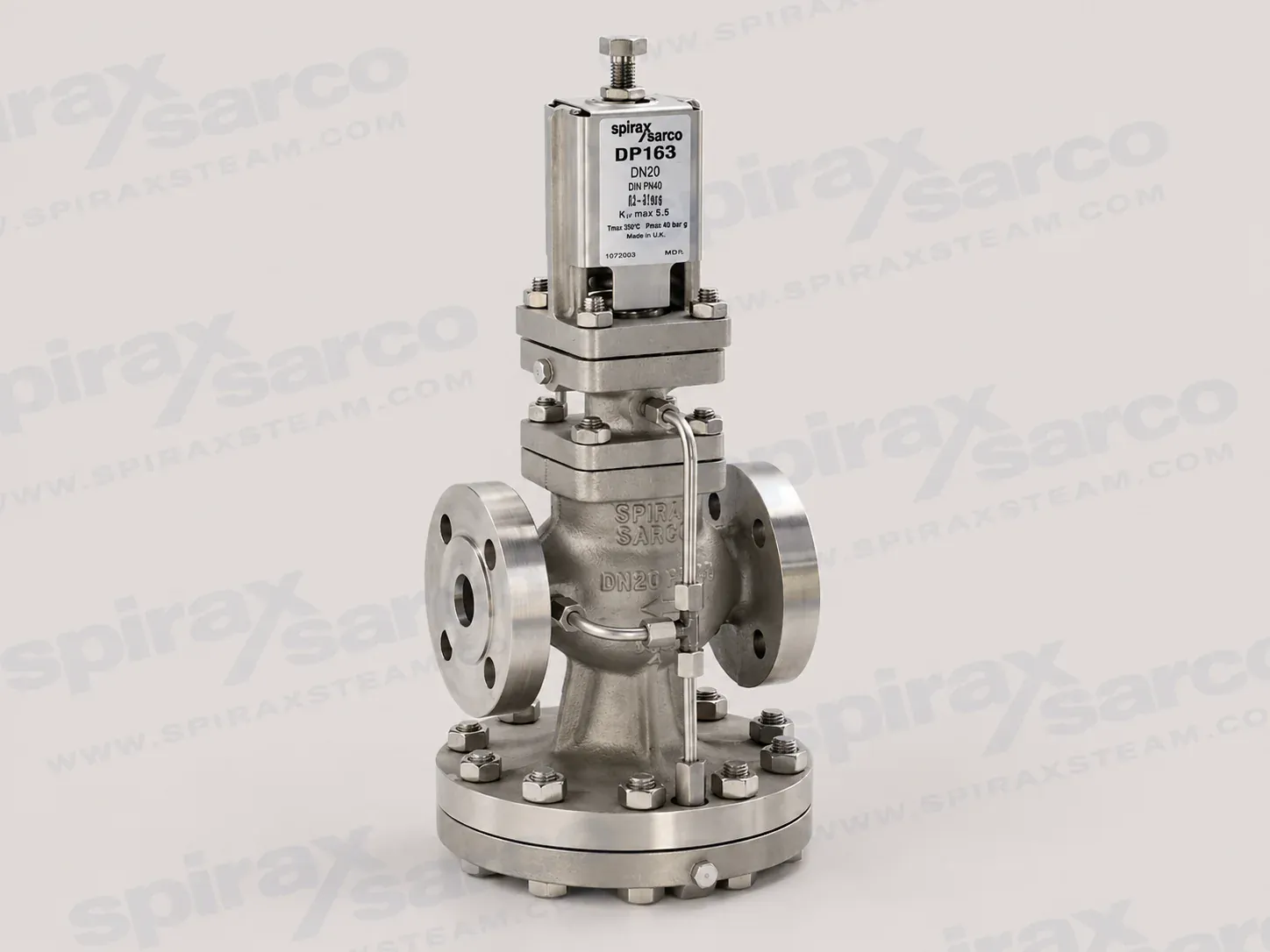
DP163 Katup Penurun Tekanan Berpilot
DP163 adalah katup penurun tekanan berpilot dengan bodi baja tahan karat untuk uap, tersedia dalam ukuran DN15LC hingga DN80 dengan batas tekanan, temperatur, dan kapasitas yang terdokumentasi.
Sales Brochures
| Document | Reference | Language | Download |
|---|---|---|---|
| Controls and Instrumentation | SB-GCM-25 | English | Download |
Lanjutkan dari perangkat keras kontrol ke penawaran Spirax Sarco yang lebih luas
Sistem kontrol biasanya ditentukan sebagai bagian dari keputusan sistem steam yang lebih luas. Langkah selanjutnya sering bergantung pada apakah Anda membandingkan perangkat keras berdekatan, dukungan layanan, atau kesesuaian aplikasi industri.
Hubungkan sistem kontrol dengan pabrik steam yang lebih luas
Kembali ke rentang produk Spirax Sarco yang lebih luas ketika paket kontrol juga bergantung pada steam trap, saringan, aliran, clean steam, atau perangkat keras pemulihan kondensat.
Tambahkan dukungan rekayasa dan siklus hidup
Masuk ke dukungan layanan ketika peningkatan kontrol Anda juga melibatkan commissioning, survei, pemantauan, optimalisasi, atau perencanaan pemeliharaan jangka panjang.
Pilih perangkat keras kontrol berdasarkan konteks aplikasi
Gunakan halaman industri jika pemilihan katup, strategi kontrol tekanan, atau pilihan instrumen bergantung pada kebersihan, keandalan, kinerja energi, atau tuntutan proses spesifik sektor.