Steam traps

Compare Spirax Sarco steam traps by type, duty and maintenance strategy, with routes for steam trap selection, monitoring, surveys and management.

How to choose the right steam trap route

Steam trap selection becomes easier when the project starts with operating duty, air venting need, maintenance access and failure-detection strategy rather than with connection size alone. The main questions are whether the application needs continuous condensate discharge, compact all-round performance, controlled sub-cooled discharge or a maintenance route that is easier to standardise across the site.

RouteBest fit whenMain priorityNext route
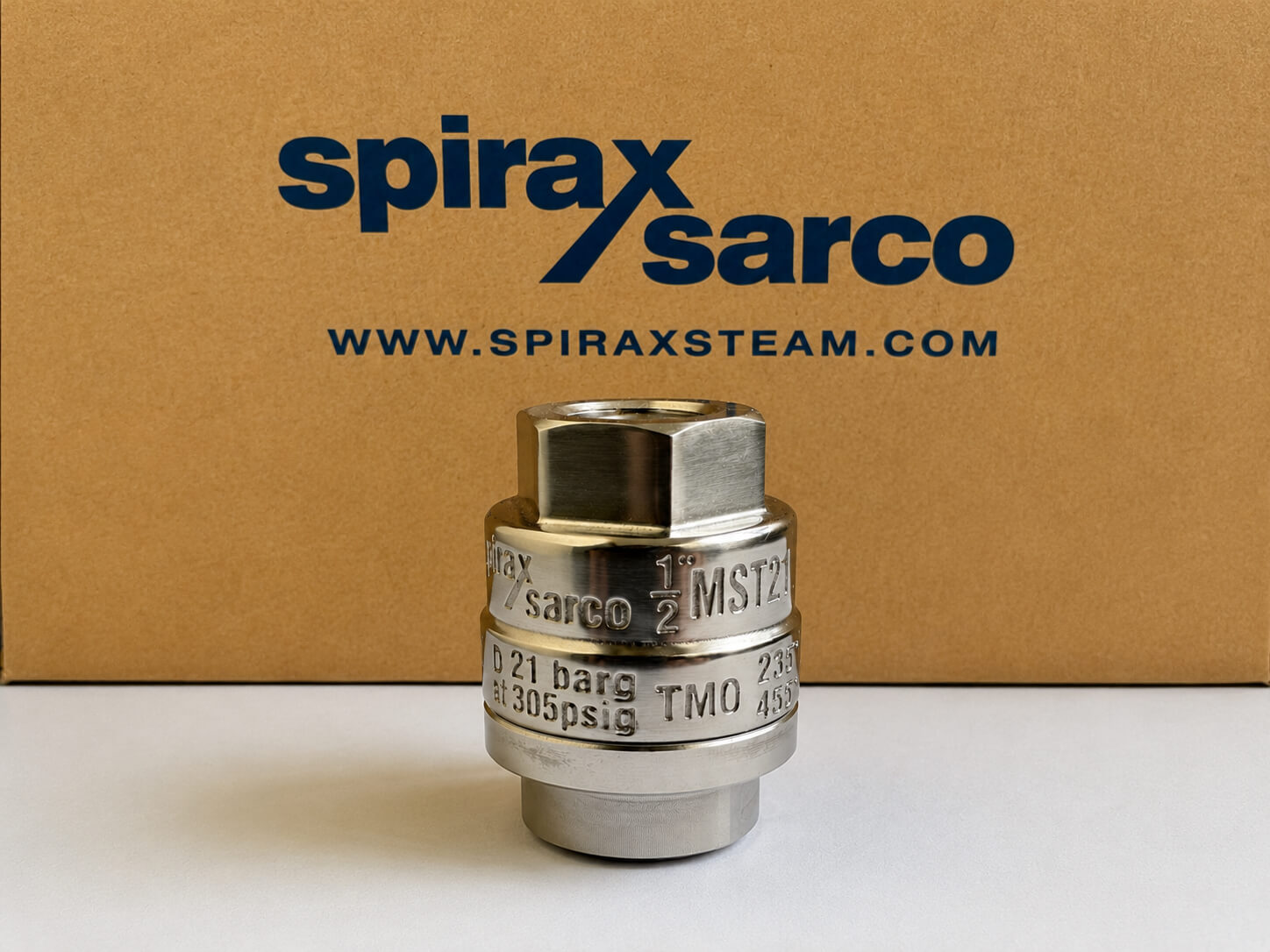
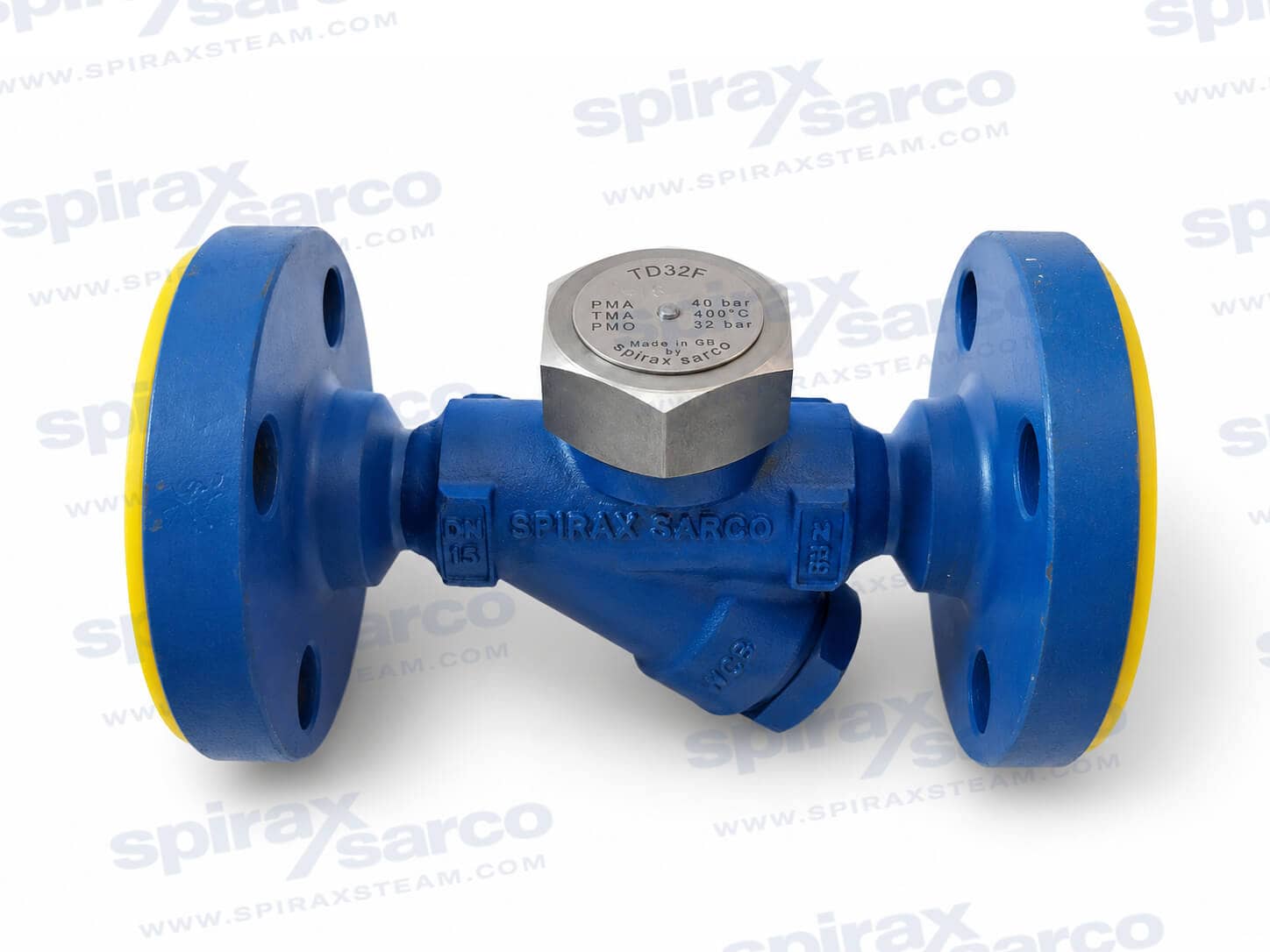
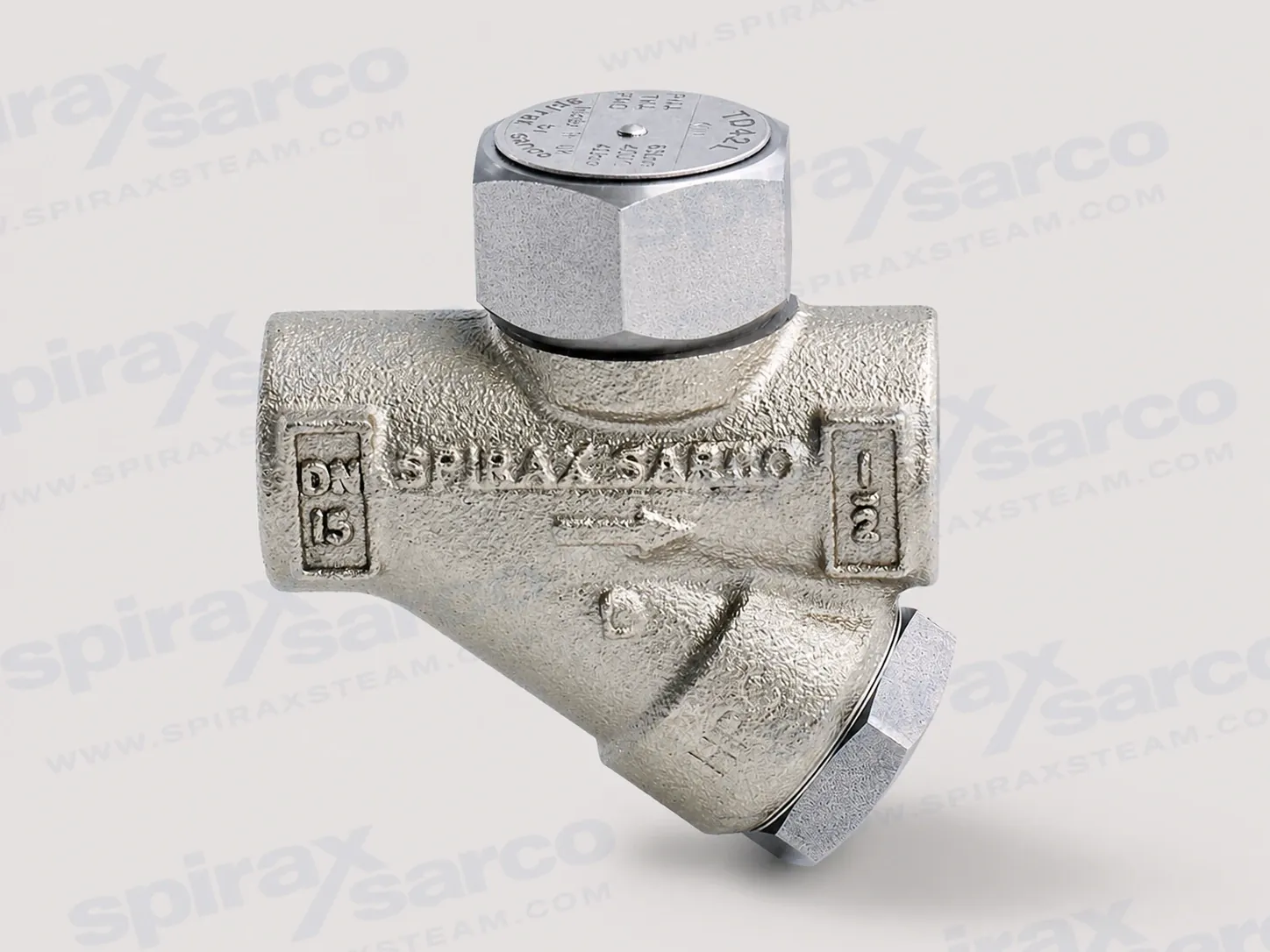
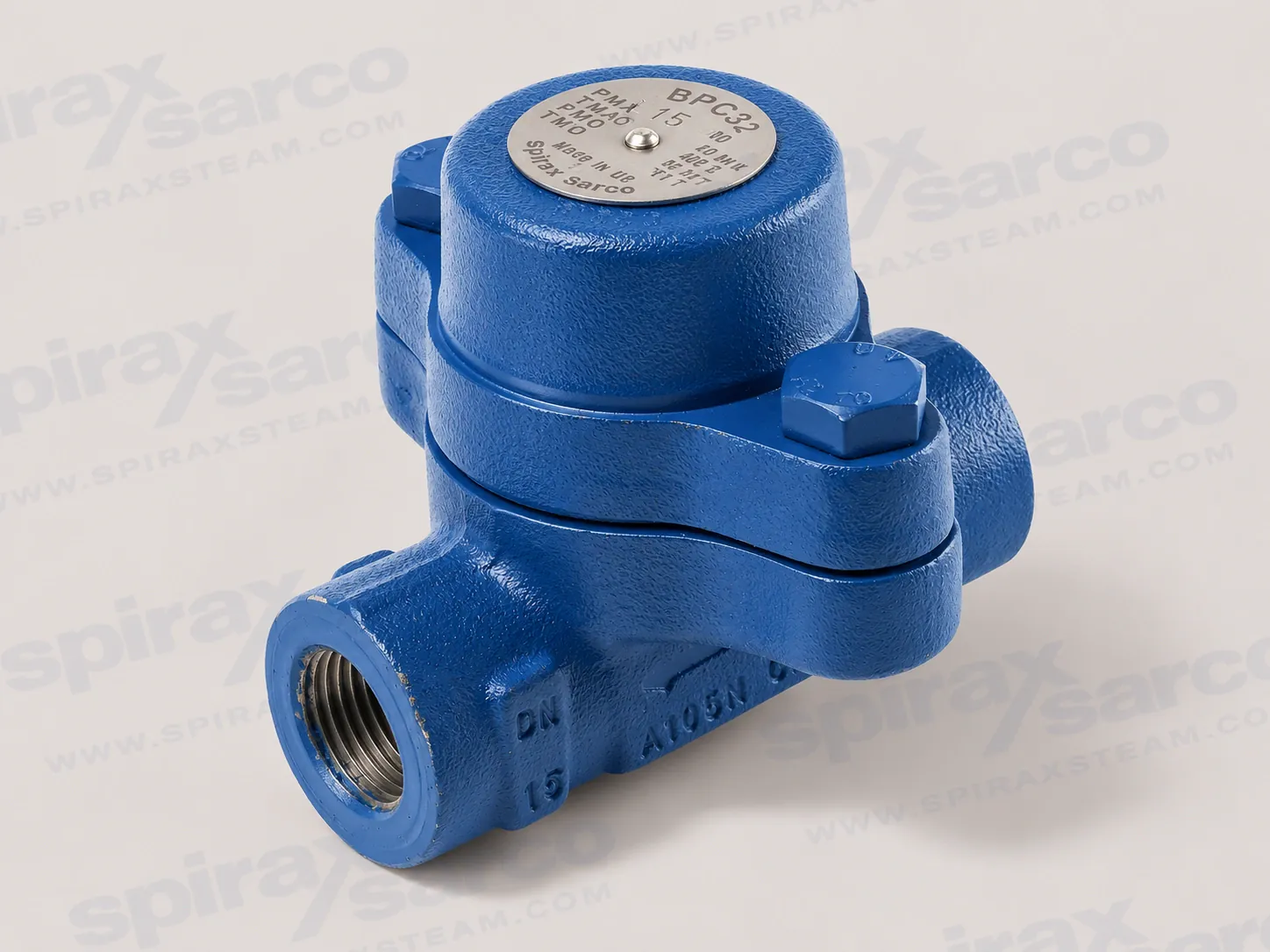
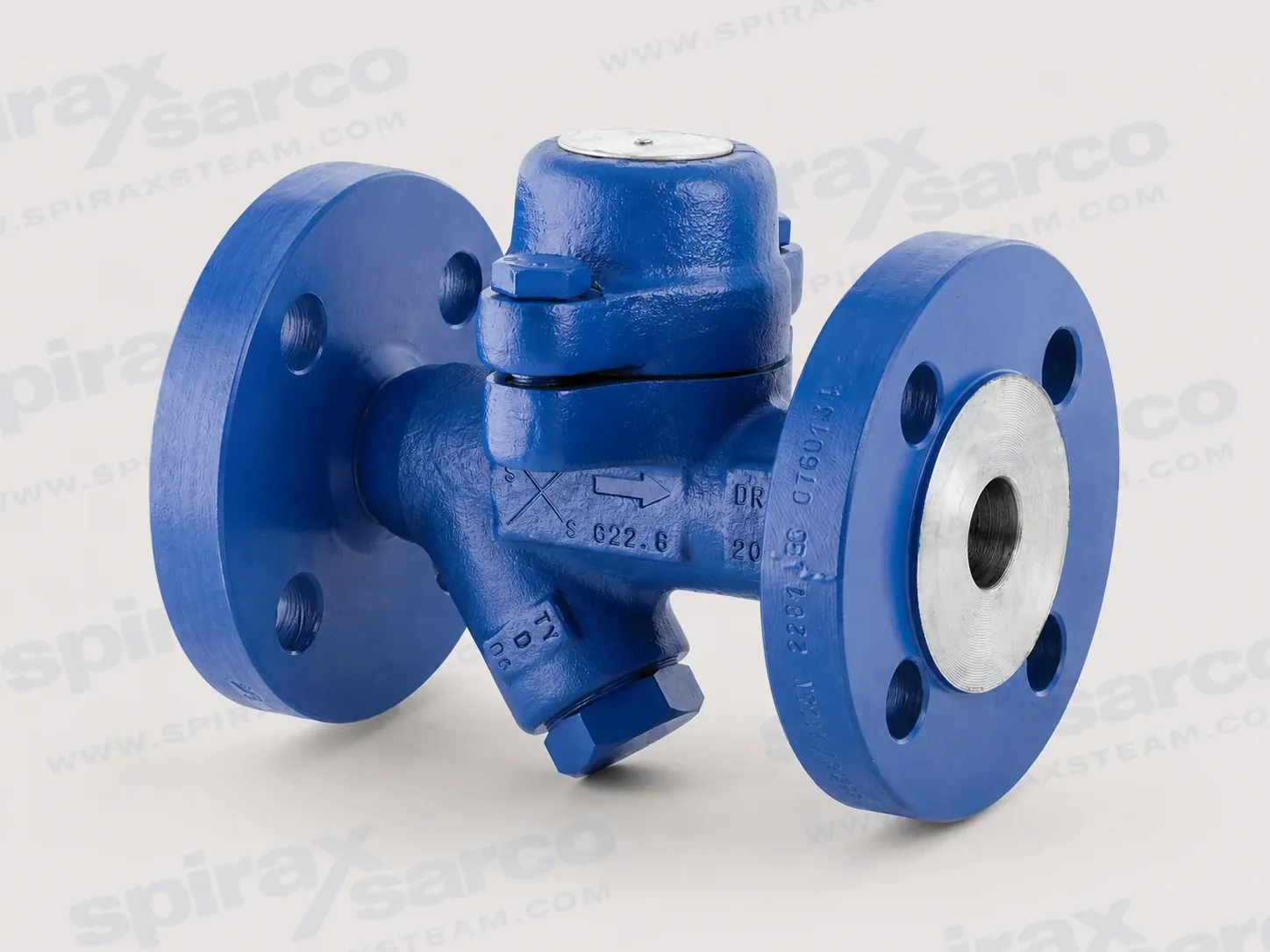
Thermodynamic disc steam trapsSteam mains, tracing or general high-pressure duty need compact and robust drainageDurability and broad operating rangeBrowse thermodynamic steam traps
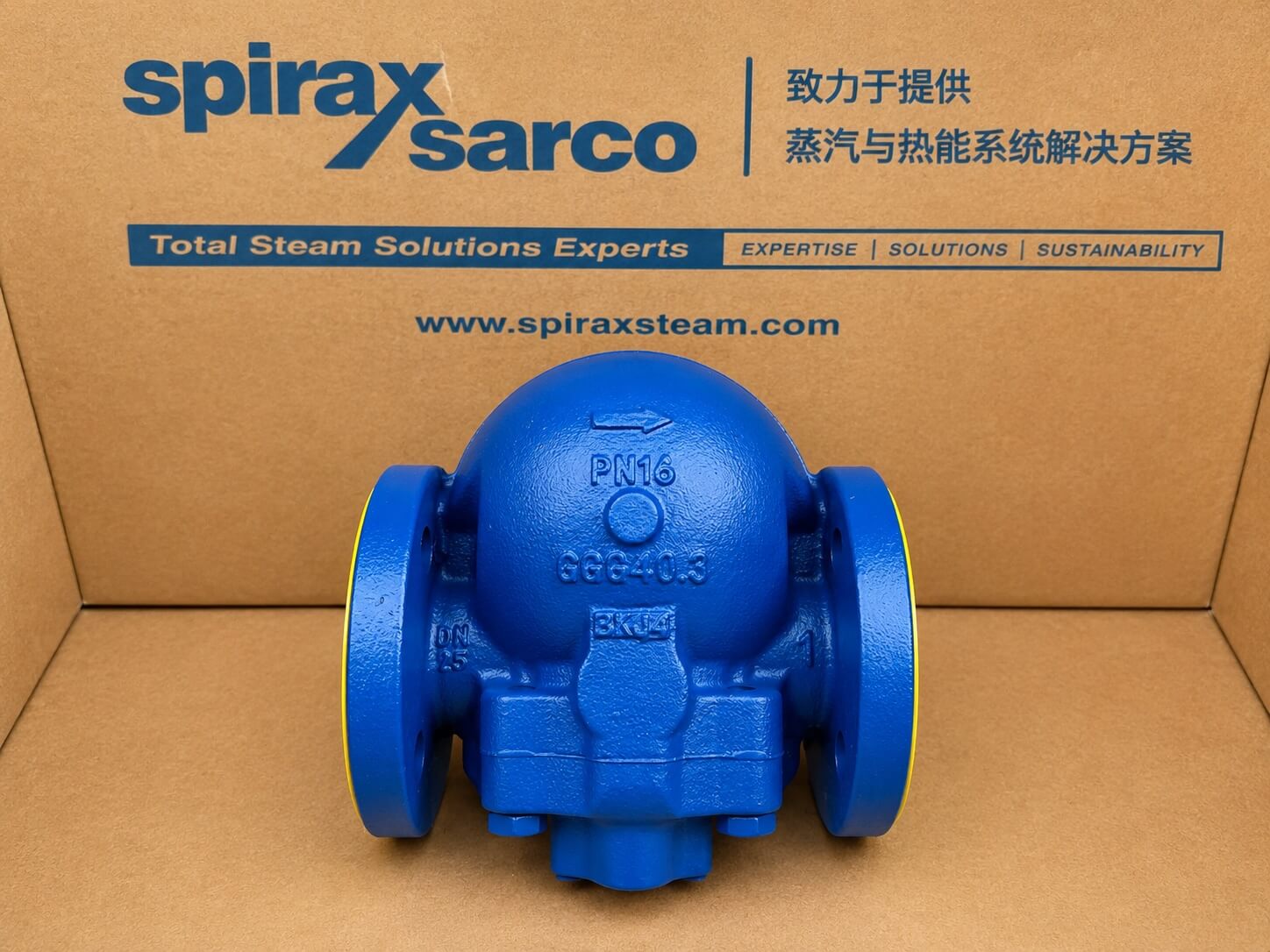
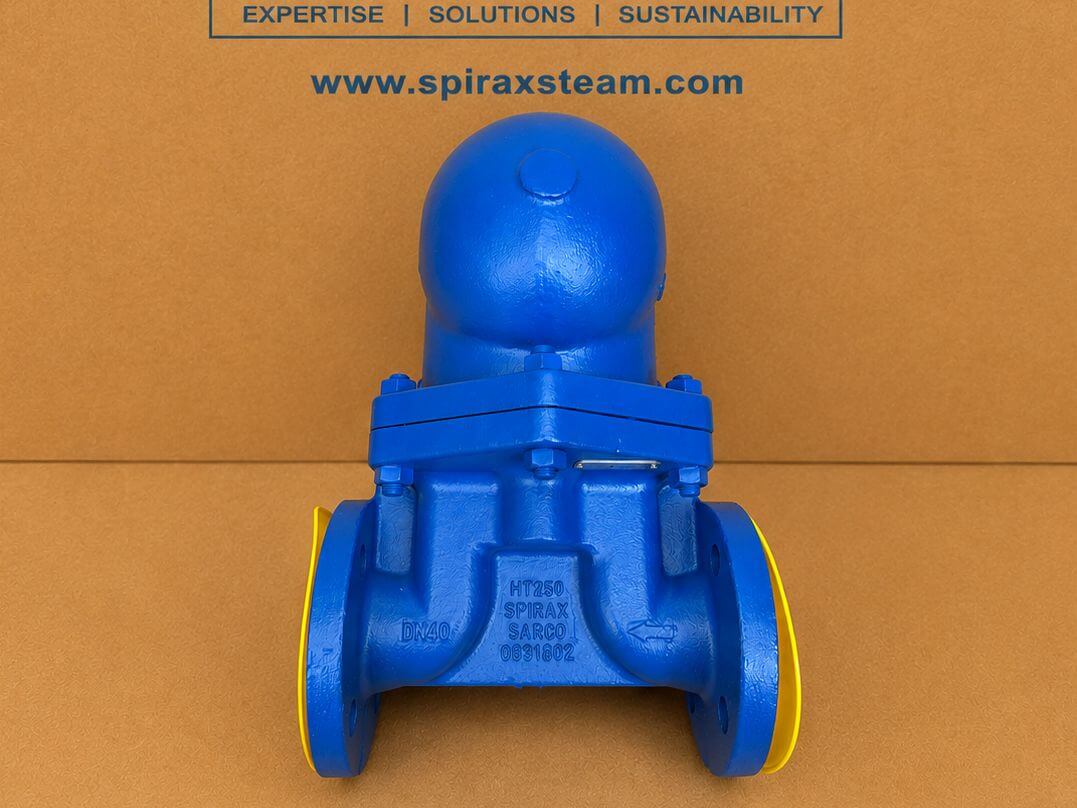
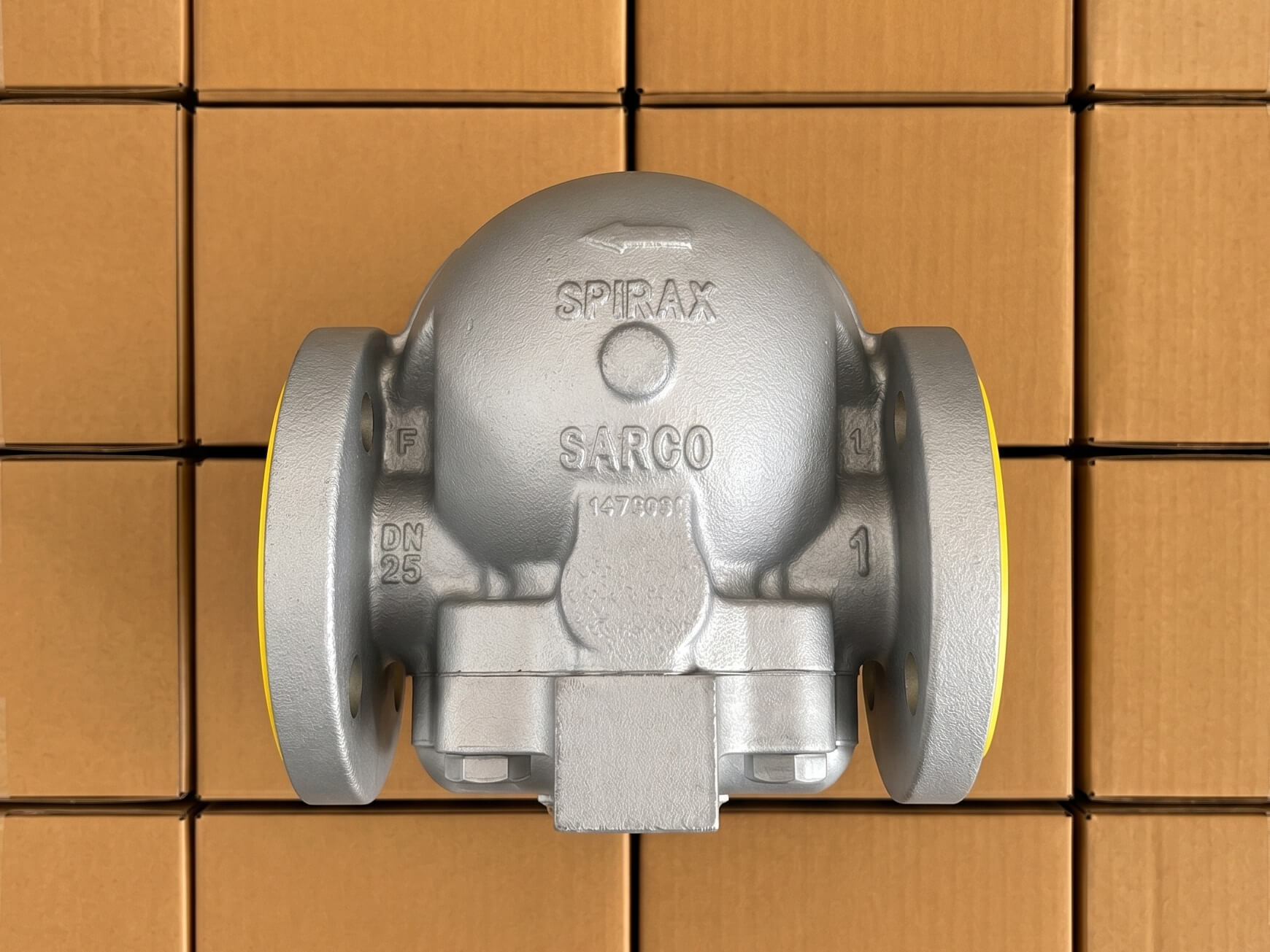
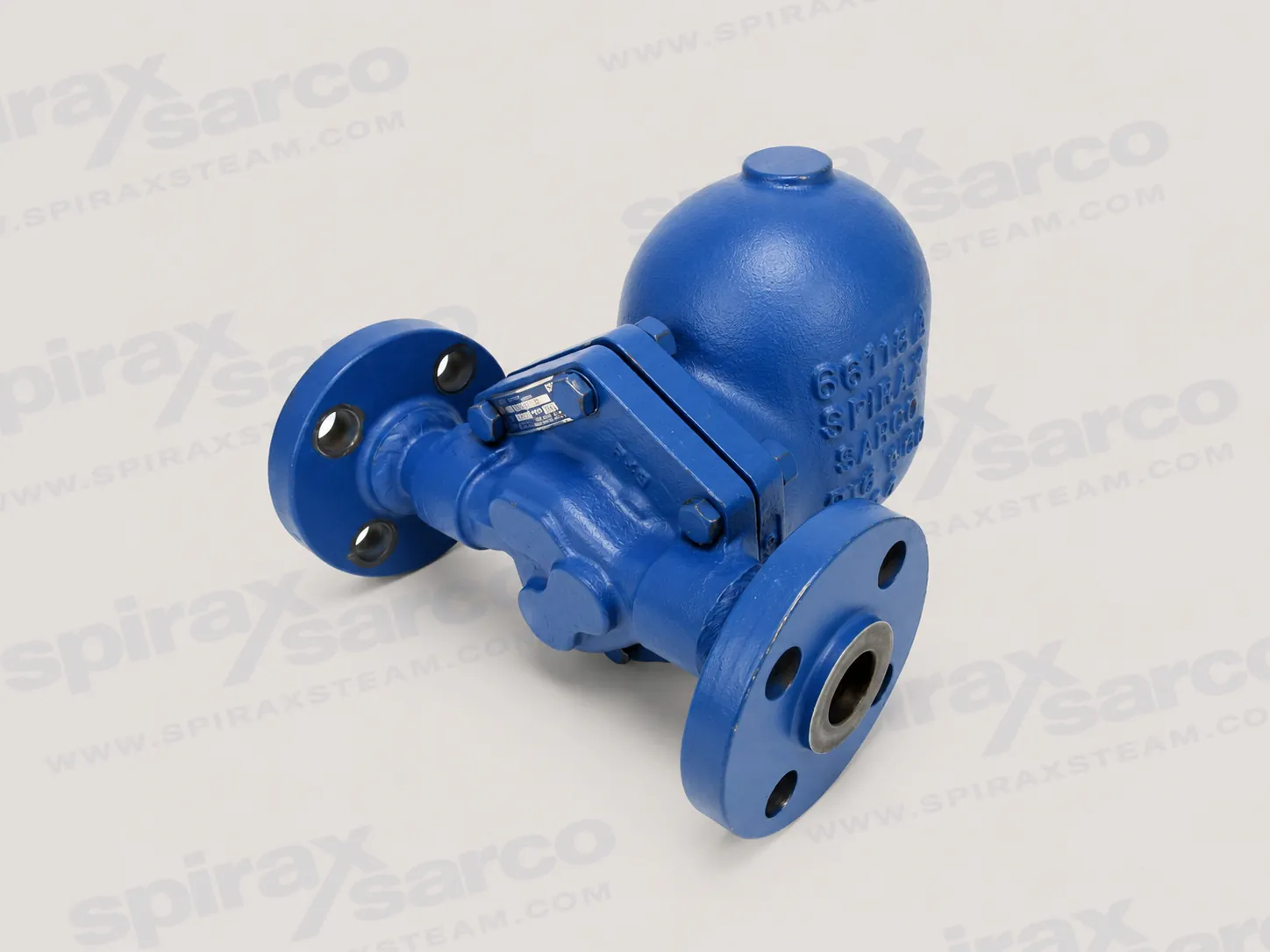
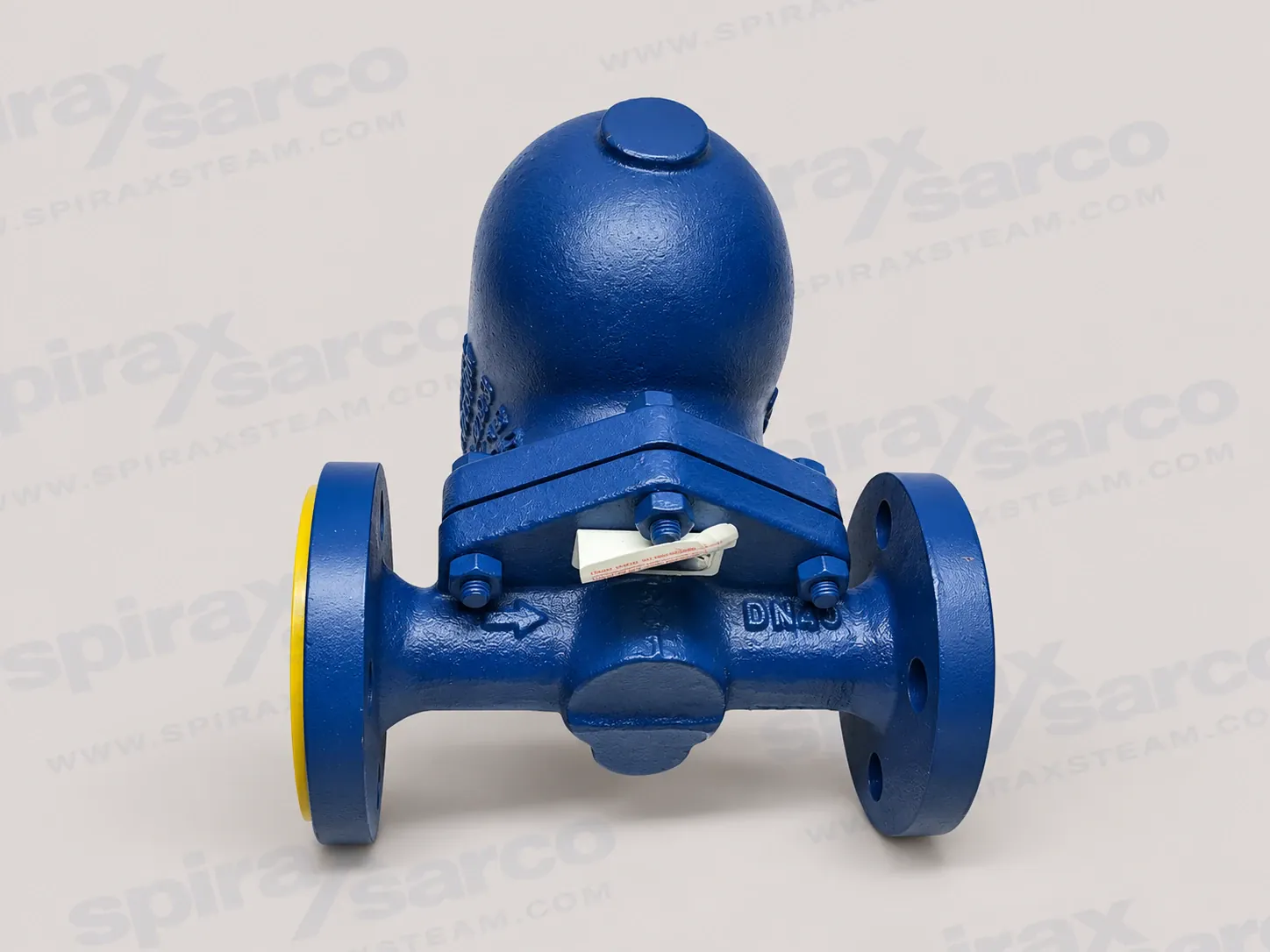
Ball float and F&T steam trapsContinuous condensate discharge and strong air venting matter mostStable drainage for process and heat-transfer dutiesBrowse ball float steam traps
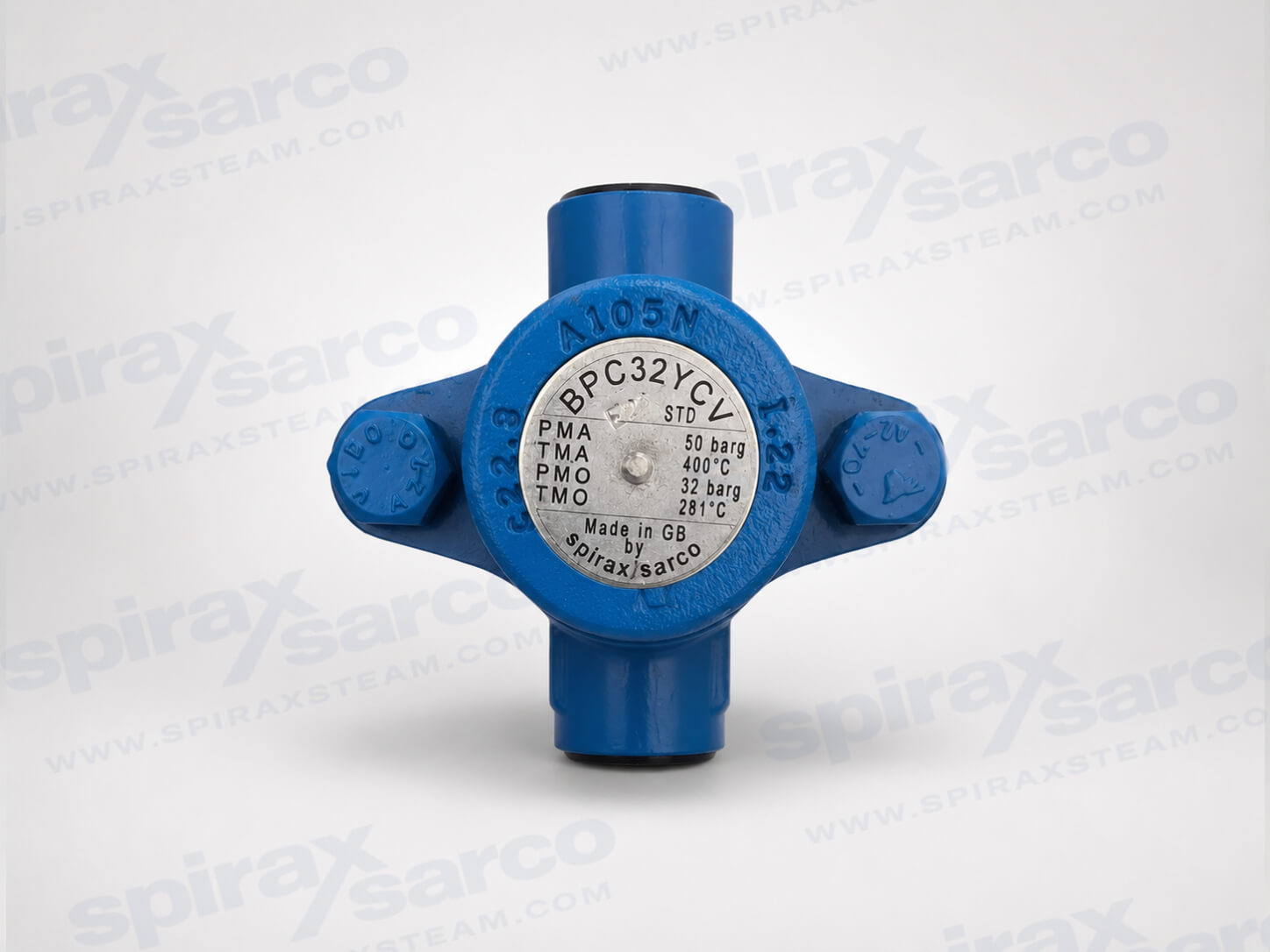
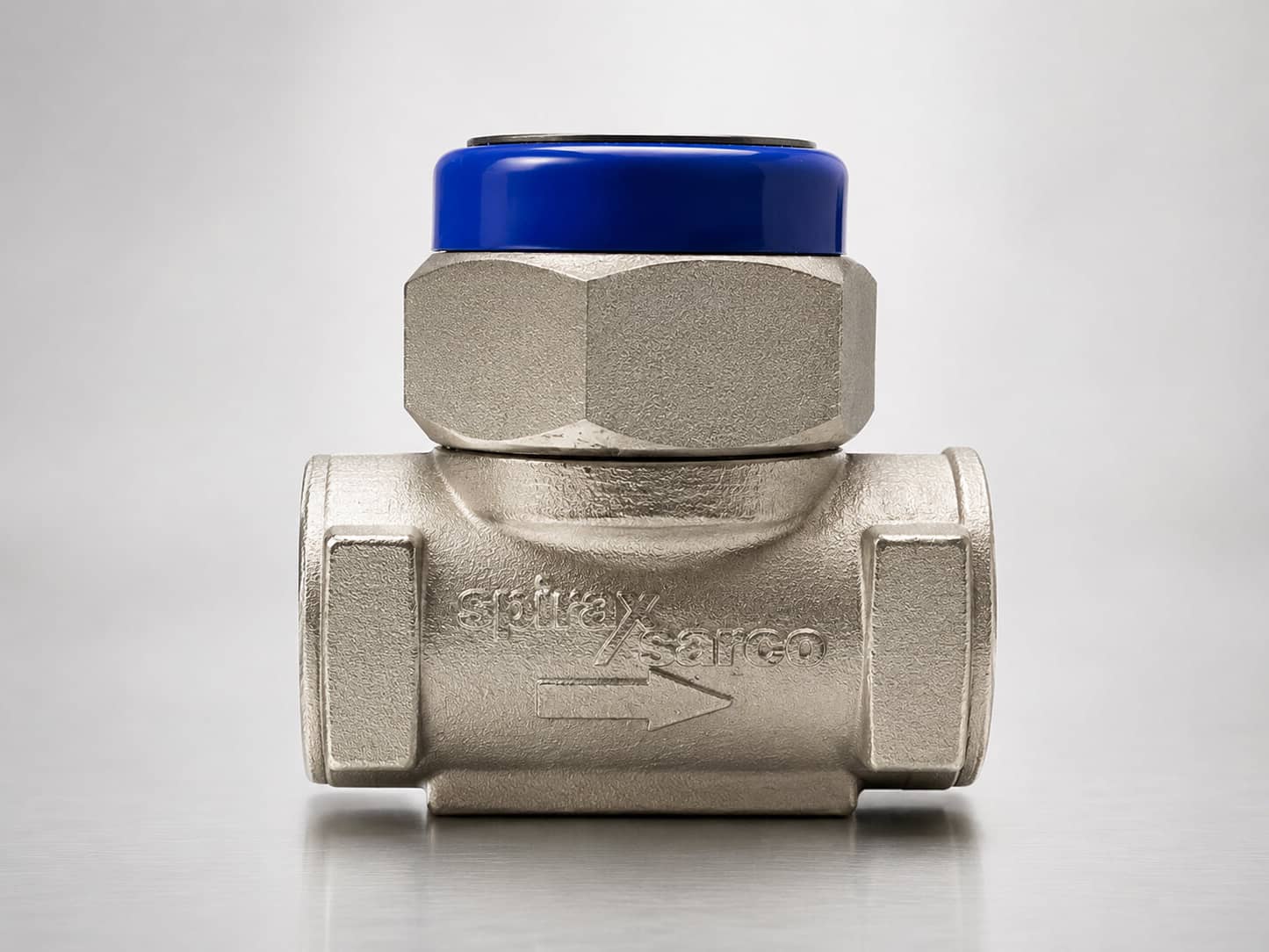
Balanced pressure and other thermostatic trapsStart-up air release and controlled sub-cooled discharge are major selection driversThermostatic response and reduced flash steam lossBrowse balanced pressure steam traps
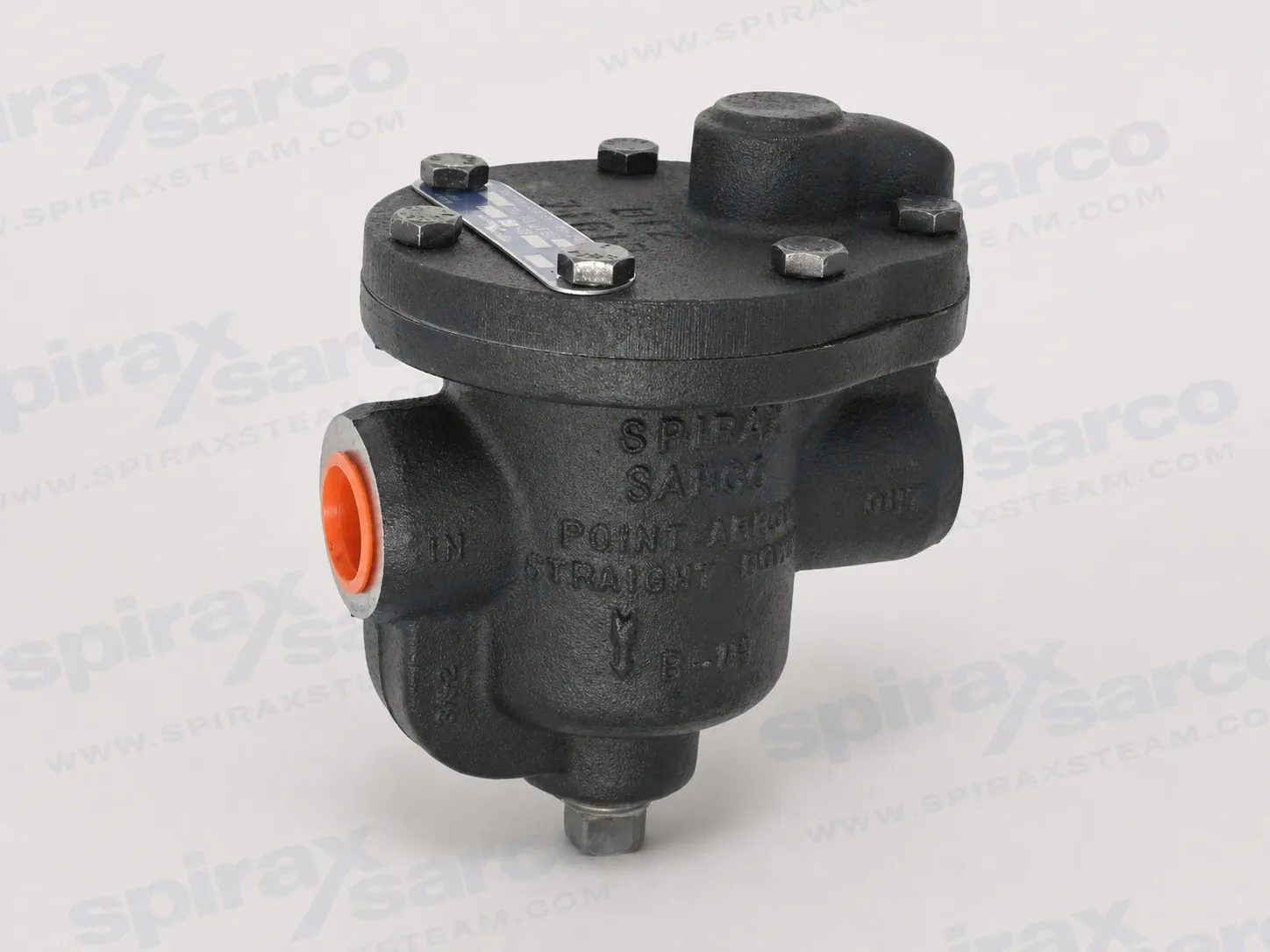
Inverted bucket and other mechanical trapsA durable mechanical design is preferred for general industrial dutyMechanical trap performance and application fitBrowse inverted bucket steam traps
Monitoring and connector routesCondition visibility or faster maintenance standardisation matters as much as trap family choiceReduce steam loss and simplify maintenance executionExplore monitoring and connectors

When surveys, monitoring and management should be added

Steam trap management is not only about replacing failed units. It starts with identifying the installed trap population, checking whether each trap is correctly selected and installed, and deciding where faster maintenance or continuous monitoring will create the biggest operational value.

NeedWhy it mattersBest next route
Steam trap surveysUsed when the installed trap population must be recorded, reviewed in operation and prioritised for corrective work.Explore steam trap surveys and management
Wireless monitoringUsed when earlier detection of leaking or blocked traps matters more than periodic manual checking alone.Explore wireless steam trap monitoring
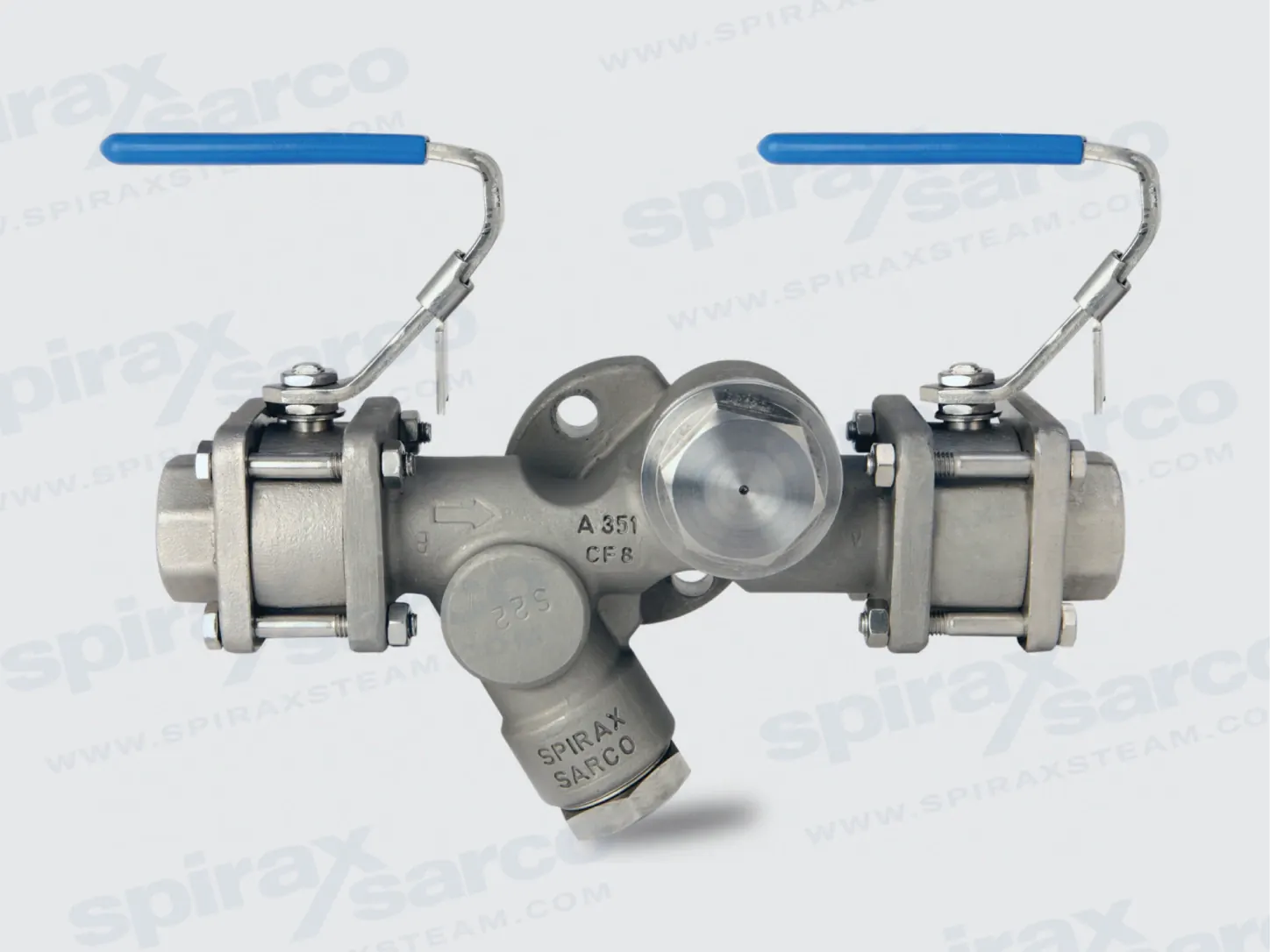
Standardised trap stationsUsed when the maintenance team needs faster change-out, less fabrication work and repeatable station layouts.Browse swivel connectors and trap stations
Condensate recovery planningUsed when trap performance must be considered together with returned condensate value, flash steam control and wider boiler house efficiency.Explore condensate and heat recovery systems

Common steam trap selection questions

What does a steam trap do?

A steam trap is an automatic valve that removes condensate, air and other non-condensable gases from a steam system while helping prevent the loss of live steam.

Which steam trap type is best for continuous condensate discharge?

Ball float and float and thermostatic steam traps are commonly chosen where continuous condensate discharge and strong air venting are priorities, especially on process and heat-transfer duties.

When should thermodynamic steam traps be used?

Thermodynamic disc steam traps are often used for steam mains, tracing and other duties where compact size, durability and broad pressure capability matter more than continuous discharge behaviour.

When should steam trap monitoring be added?

Monitoring becomes valuable when the site needs earlier failure detection, reduced steam loss and a more proactive maintenance routine across a larger installed trap population.

Typical routes from common steam trap searches

Broad steam trap searches usually narrow around discharge behaviour and application fit. Start with float and thermostatic steam traps when continuous condensate removal and strong air venting are the main priorities. Use thermodynamic steam traps for steam mains, tracing and compact higher-pressure duties.

If the project depends on controlled sub-cooled discharge or stronger start-up air release, compare balanced pressure steam traps. Where a durable mechanical route is preferred for general industrial service, review inverted bucket steam traps. When trap choice is being assessed together with return-line performance, continue into condensate recovery systems.