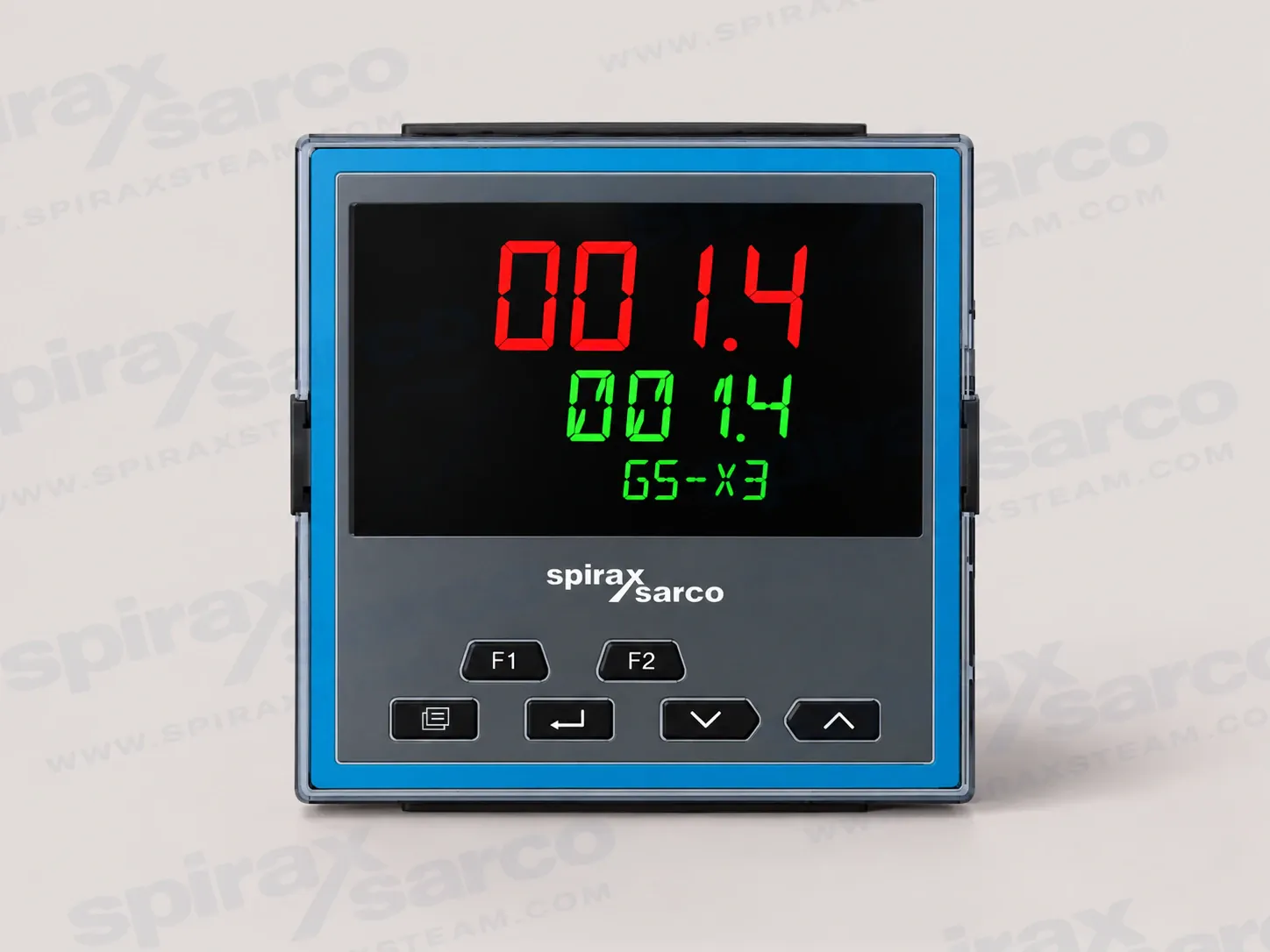
What does a steam control system include?
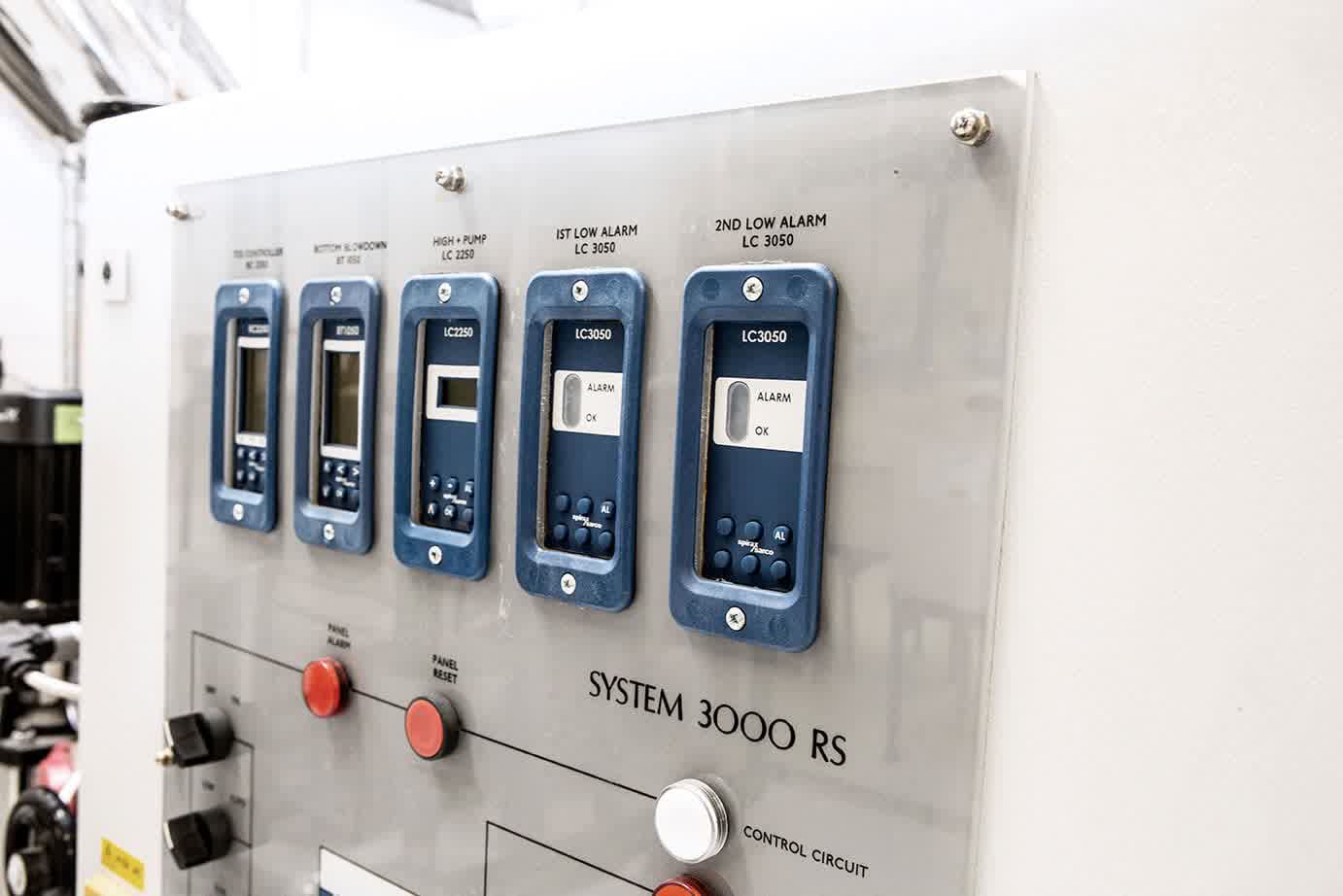
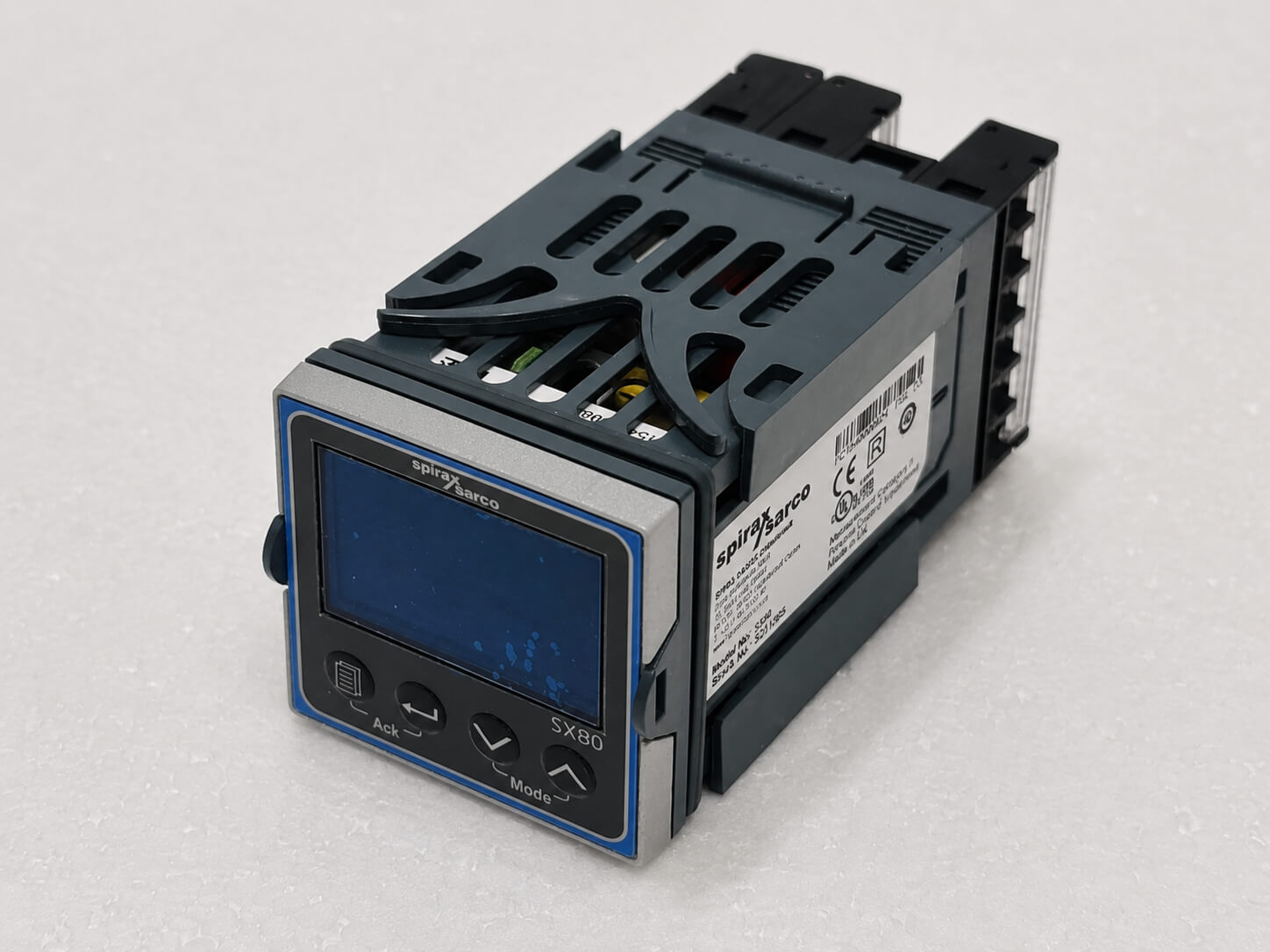
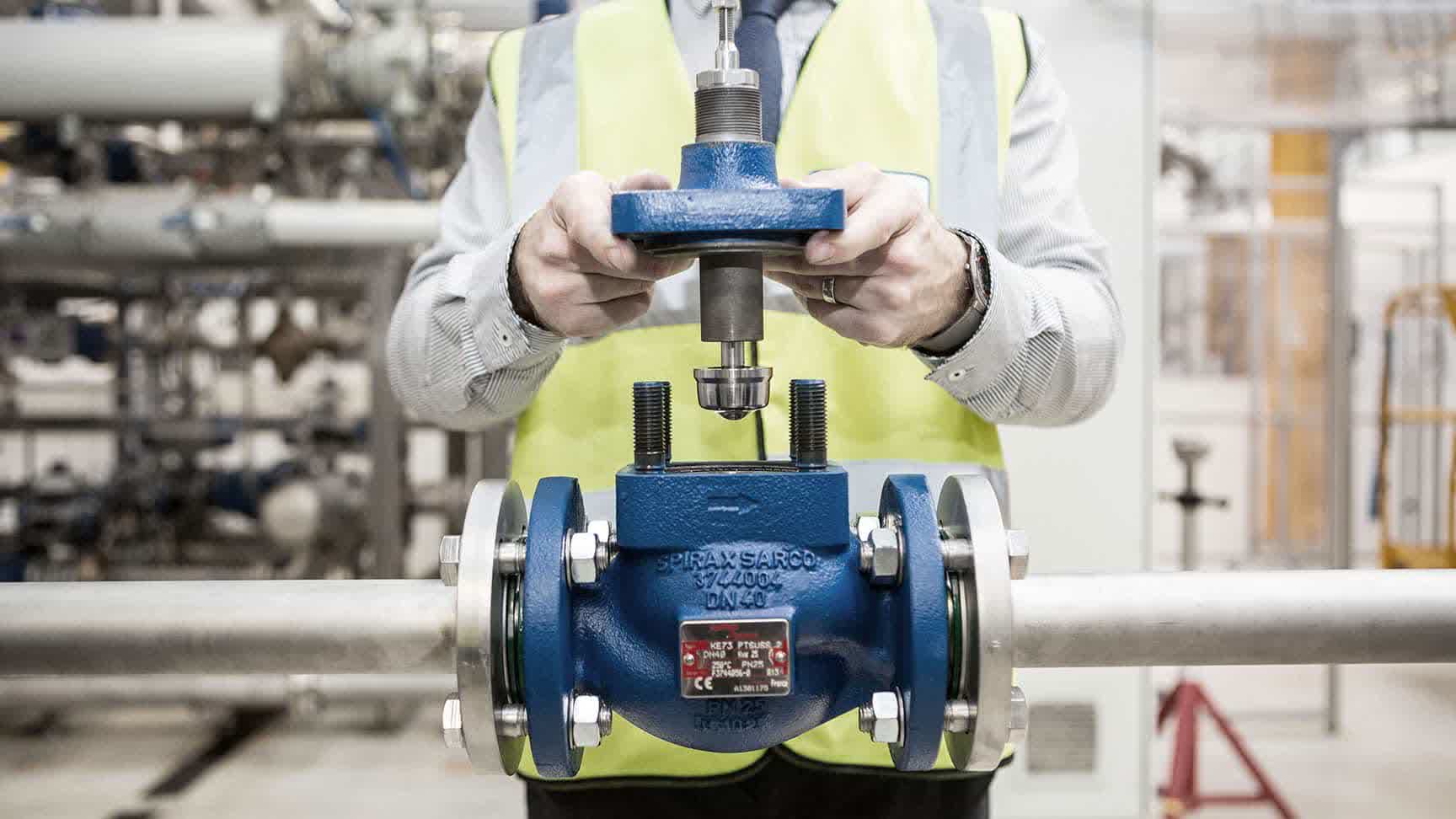
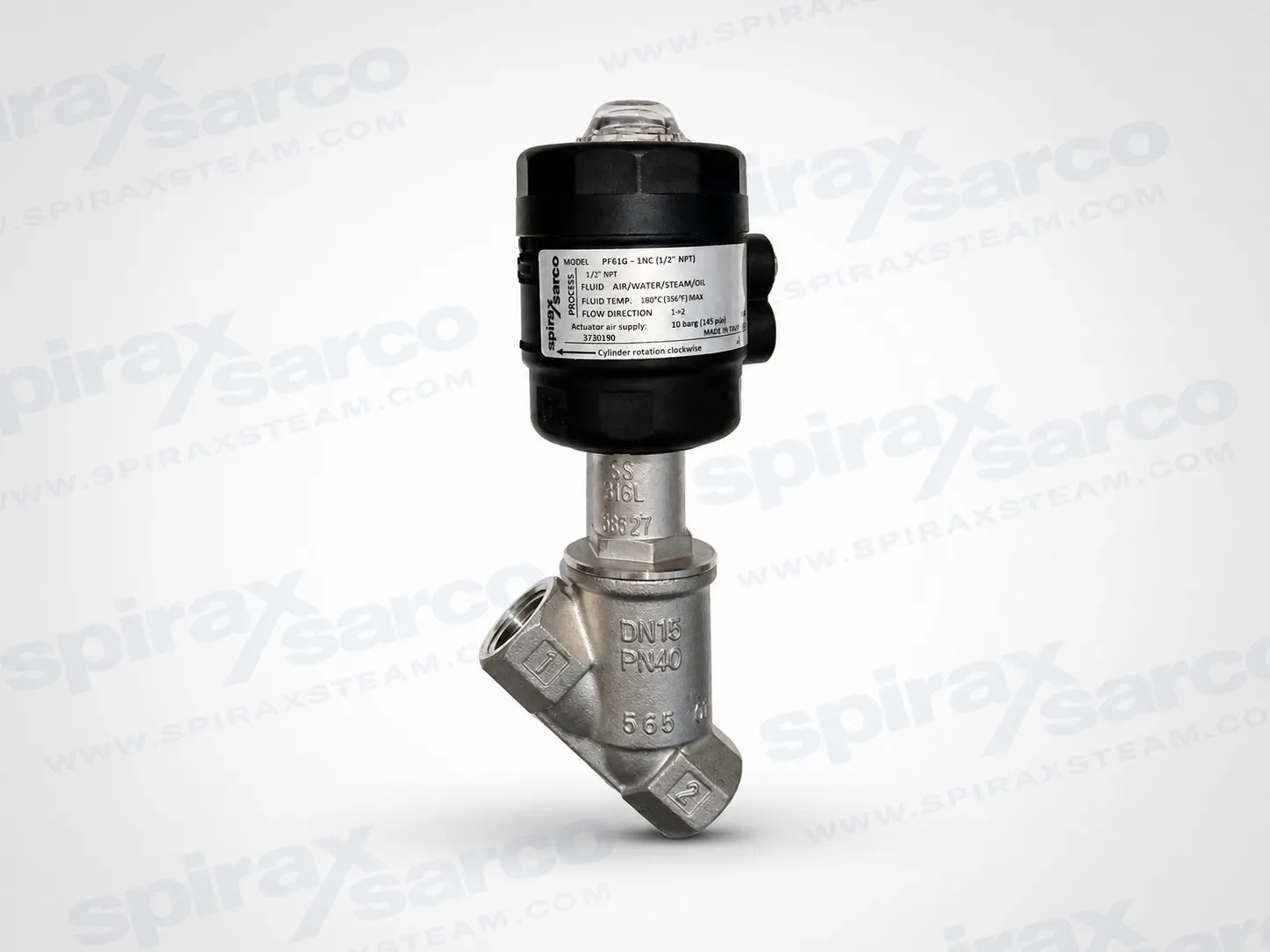
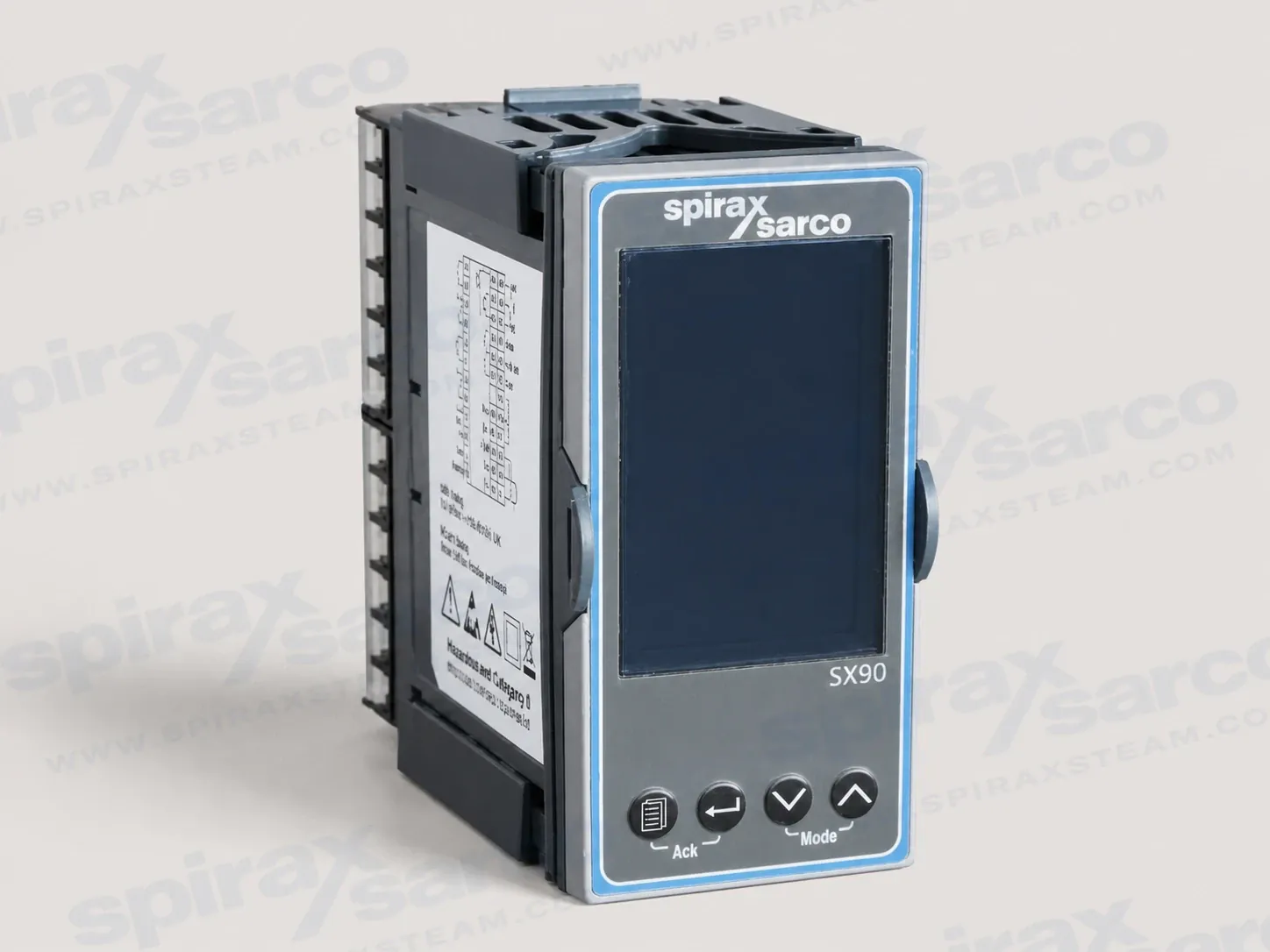
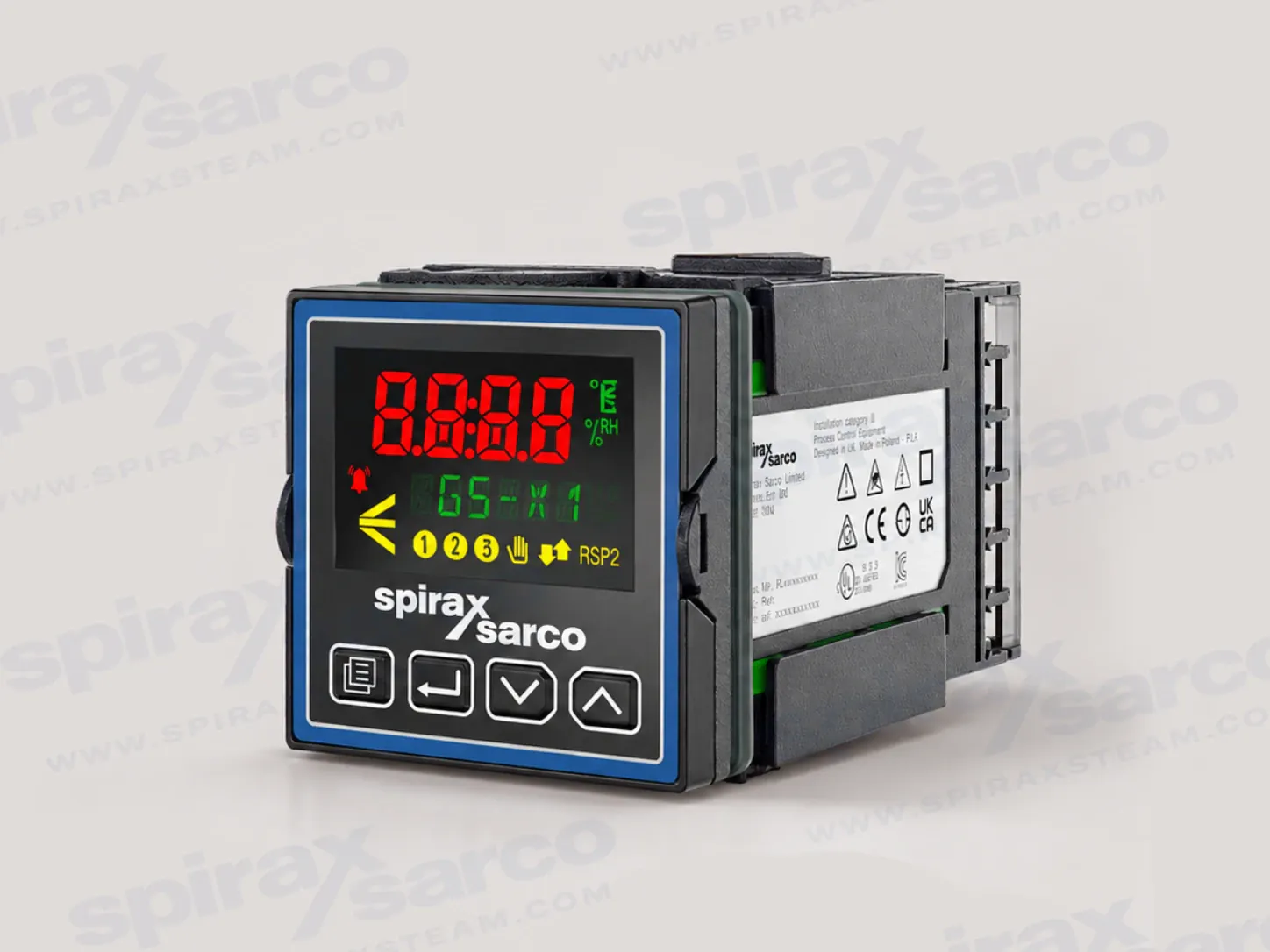
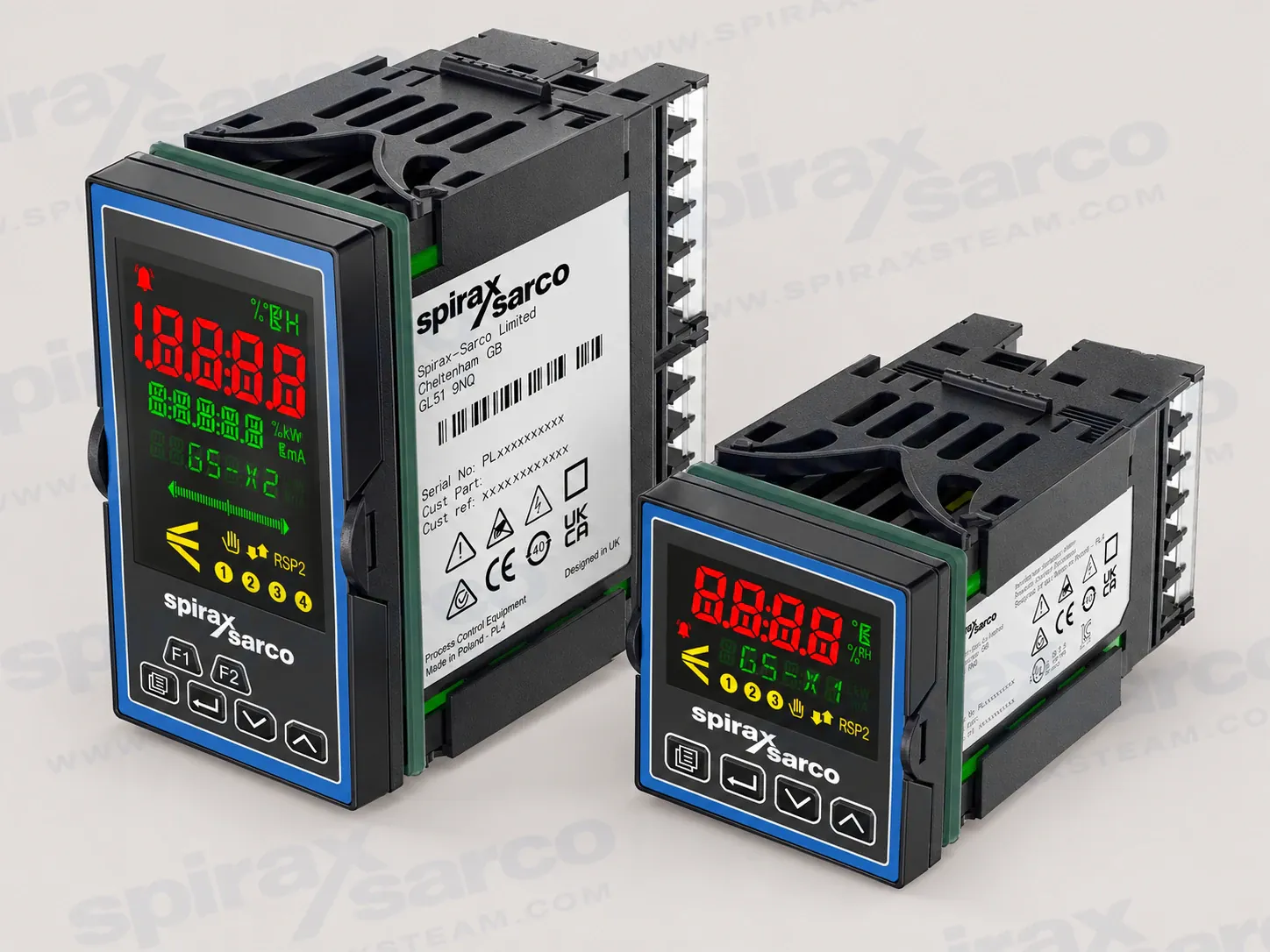
A steam control system normally includes the valve body or regulator, the
actuation method where modulation is required, the sensing and control-signal
layer, and any adjacent hardware needed to protect pressure, improve steam
condition or stabilise repeatability.
When should you choose self-acting control instead of actuated control?
Self-acting control is often the better fit when the duty needs simple,
reliable temperature control without external power, compressed air or more
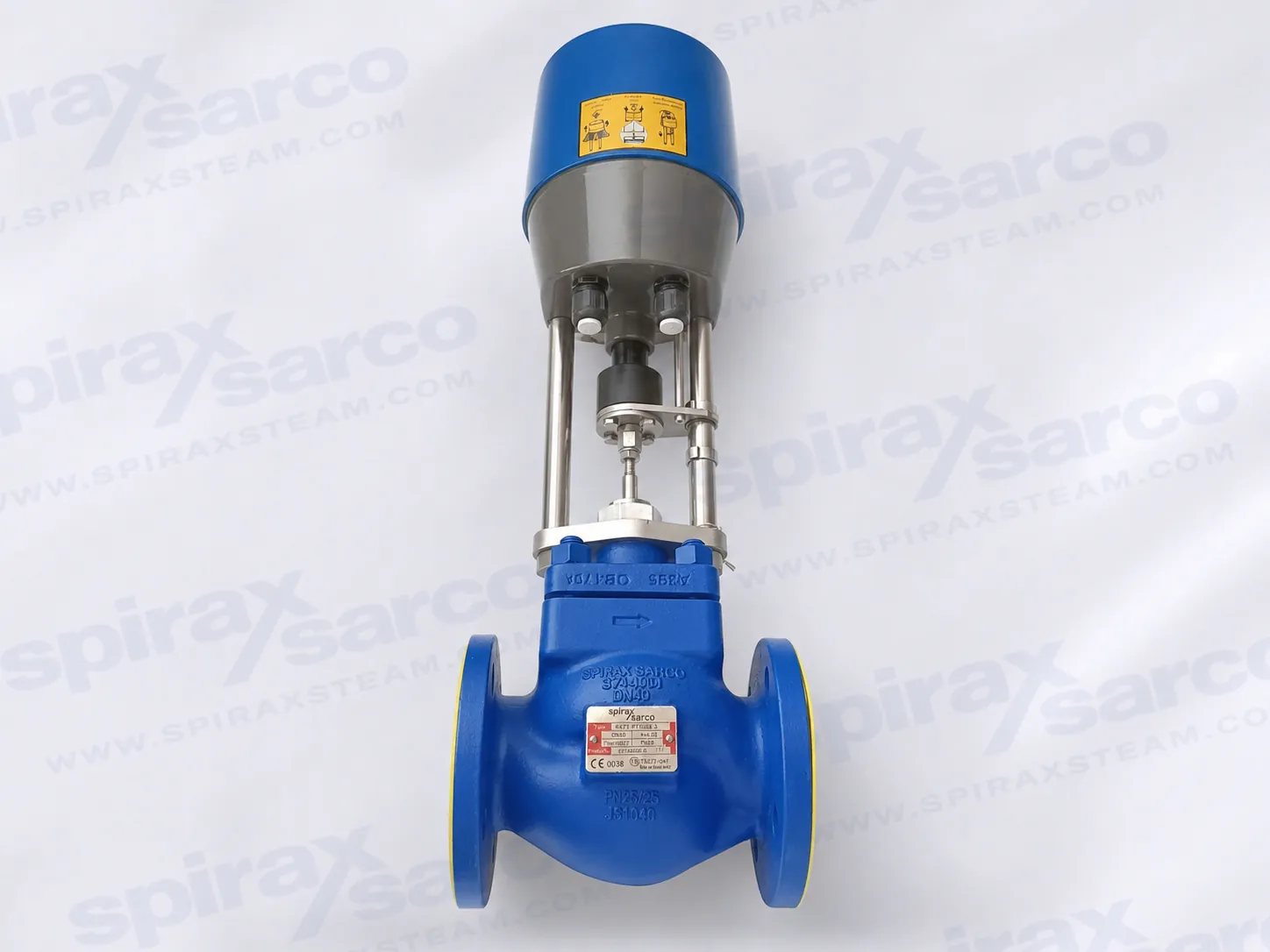
complex control architecture. Actuated control is usually the stronger
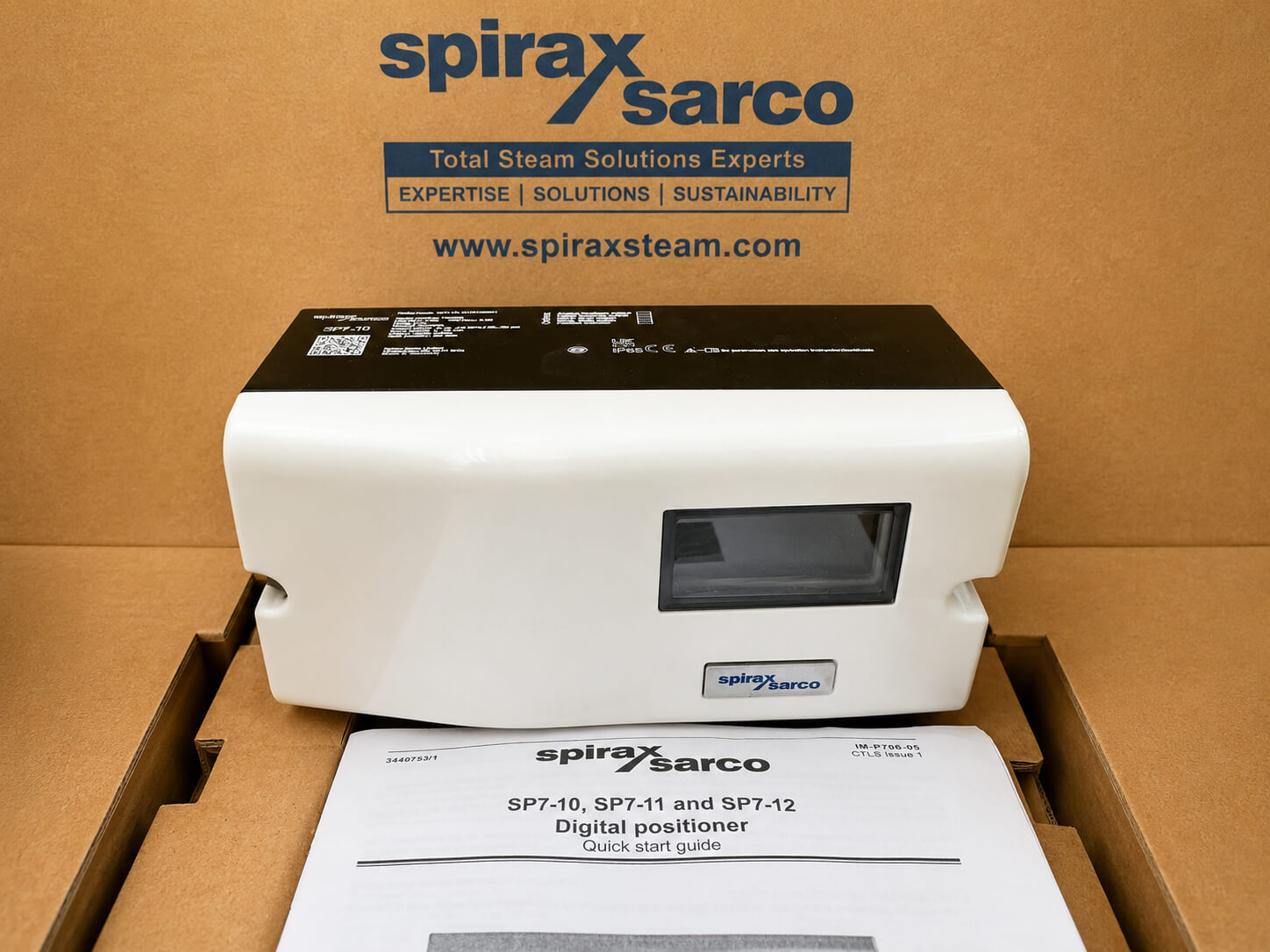
route when the application needs tighter modulation, remote positioning,
diagnostics visibility or integration with plant control systems.
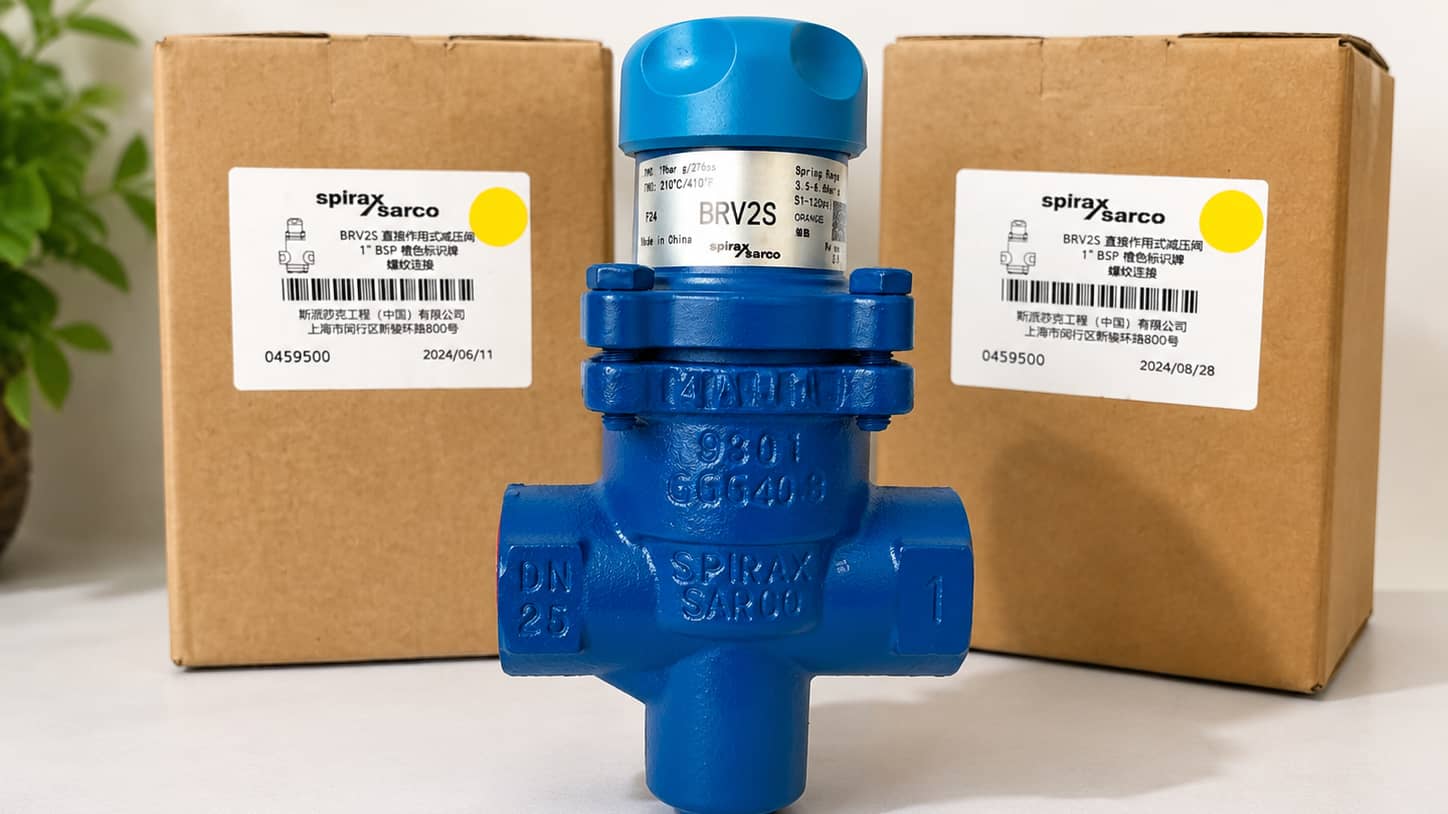
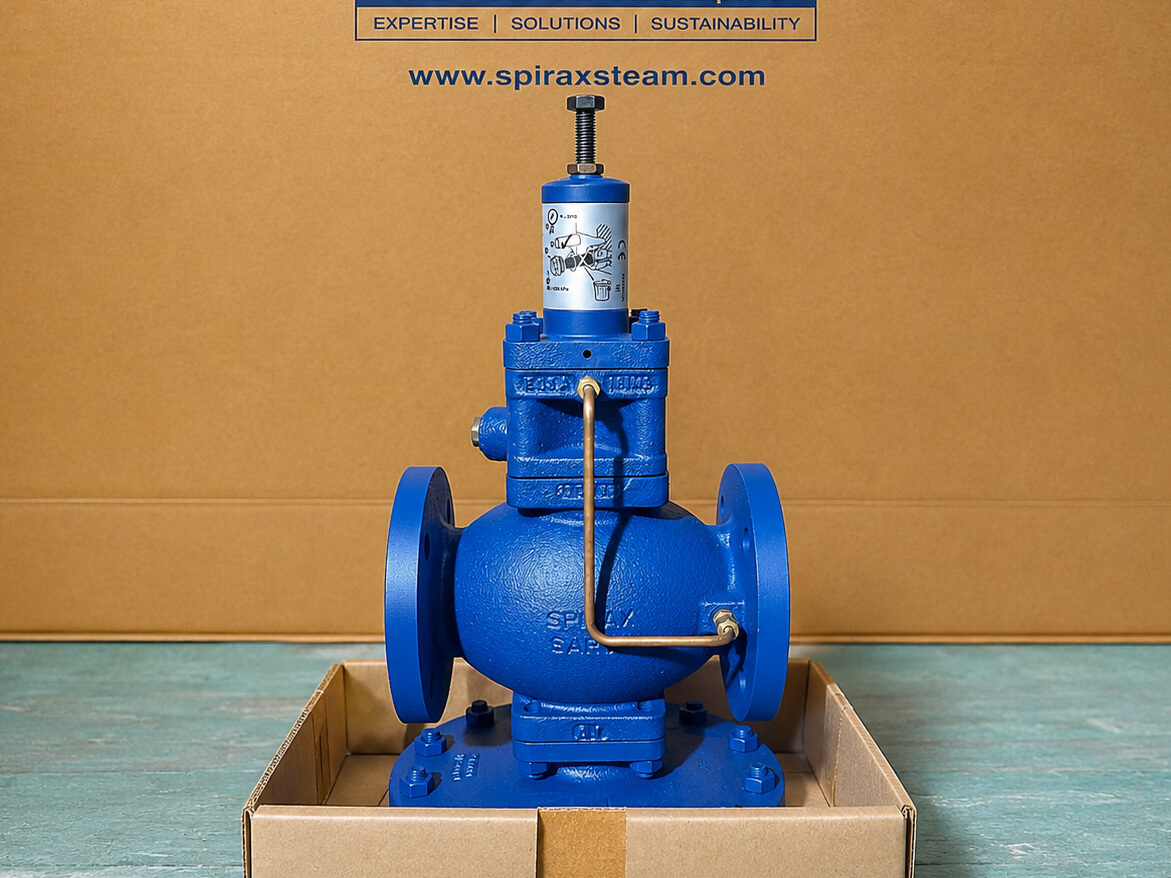
When is a pressure reducing valve the right route?
A pressure reducing valve is the right route when the main requirement is
to lower or stabilise downstream steam pressure close to the process. This
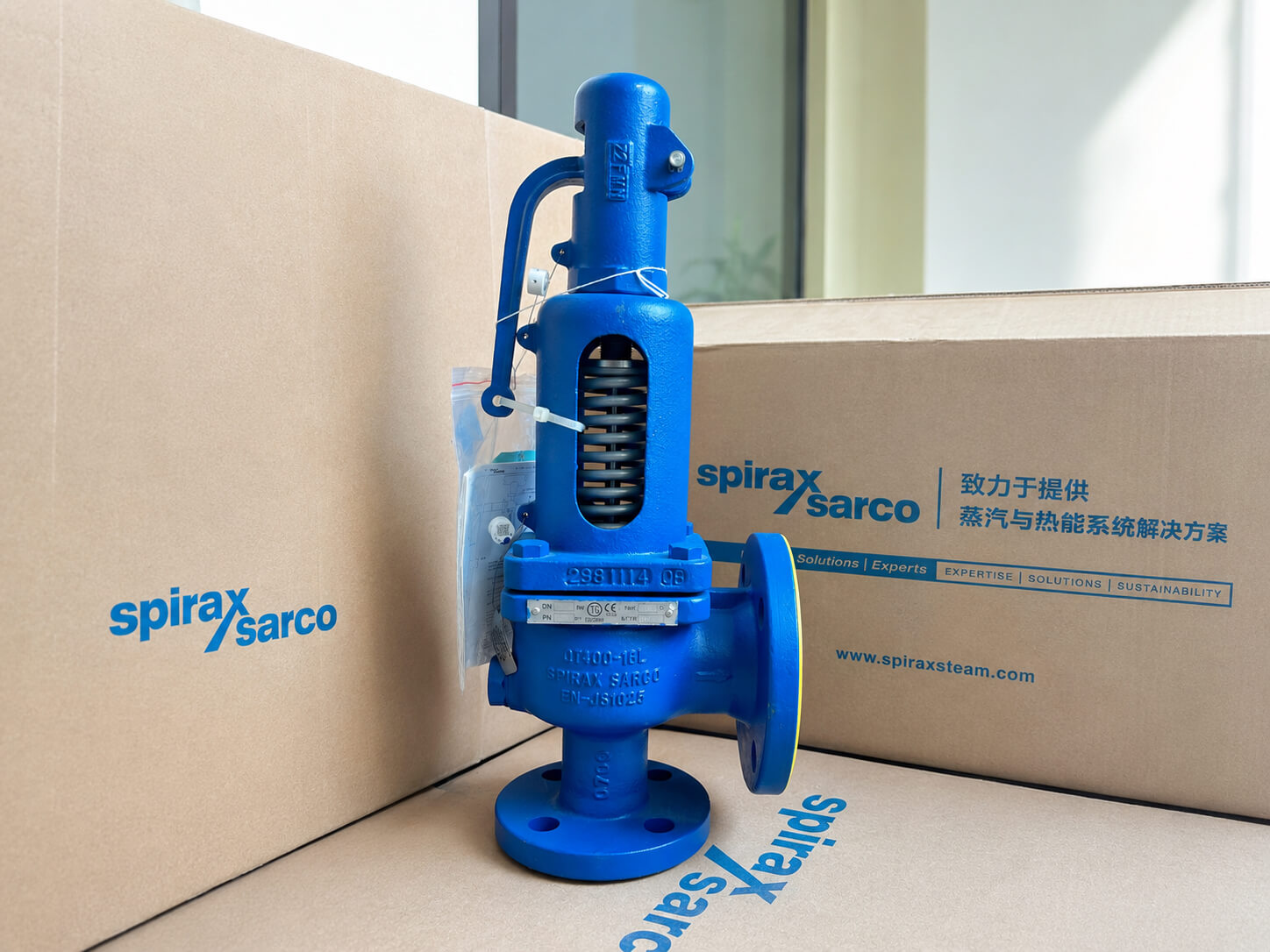
is often part of a wider station decision that also involves strainers,
separators, gauges and downstream overpressure protection.
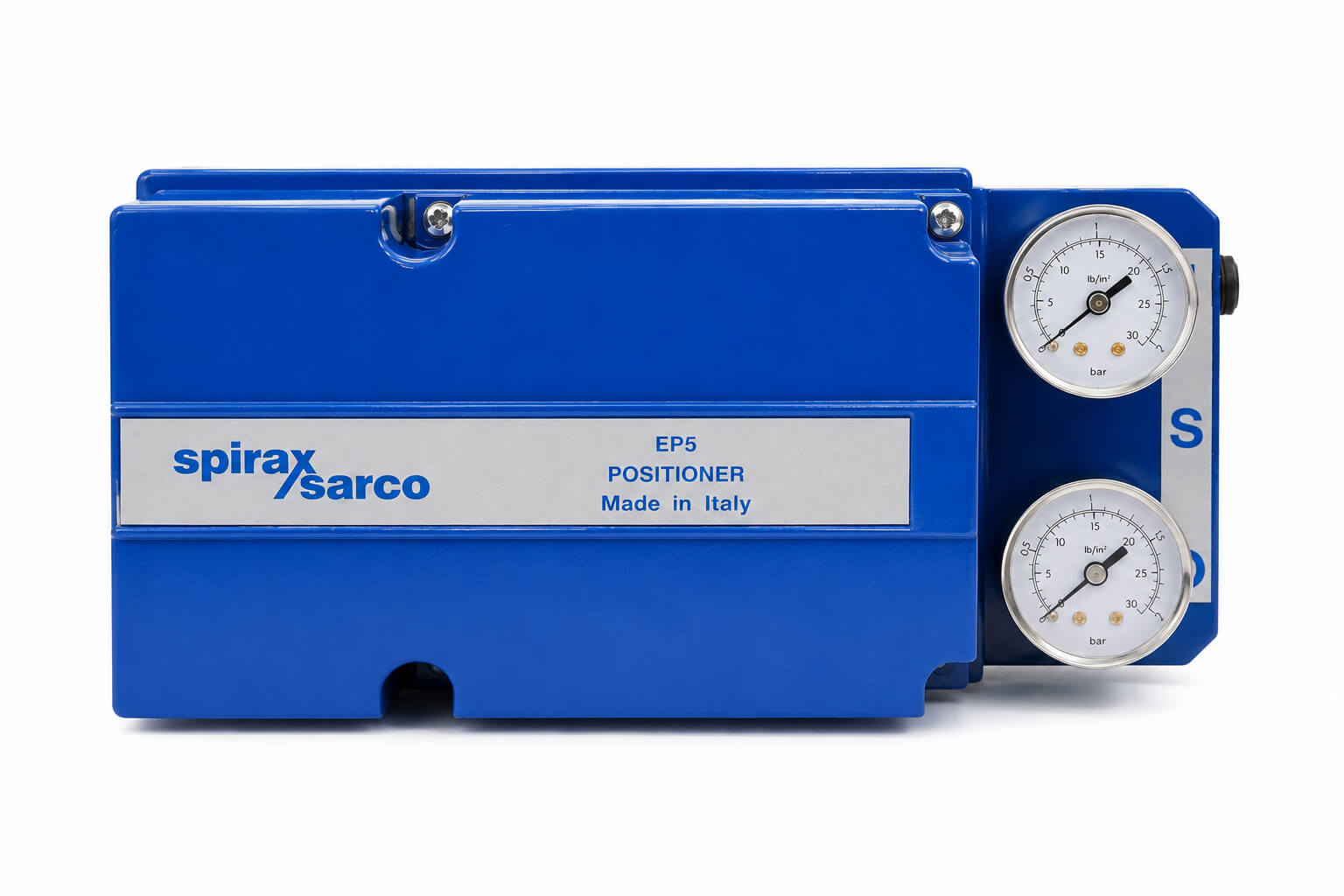
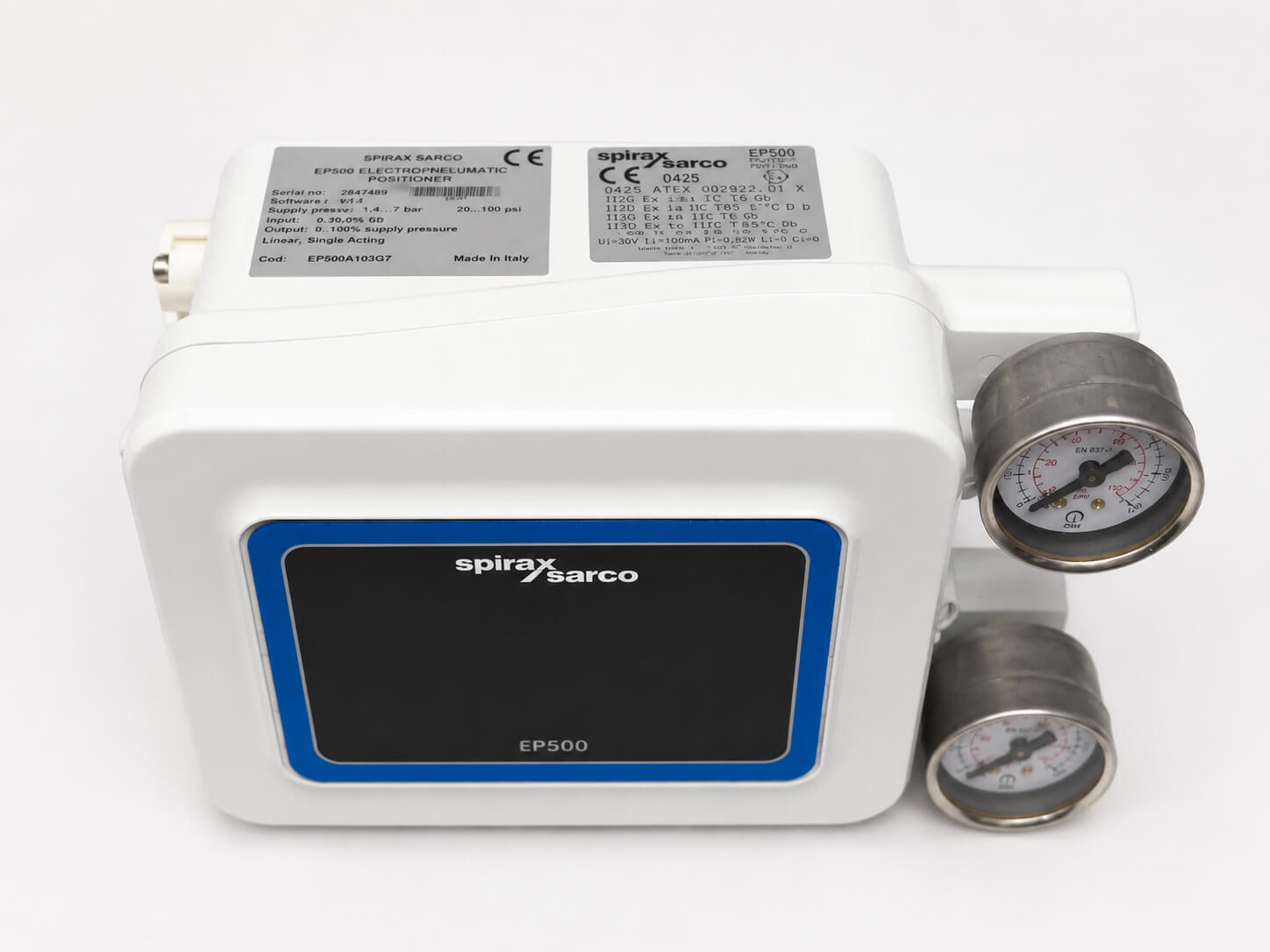
How do electric and pneumatic actuators differ?
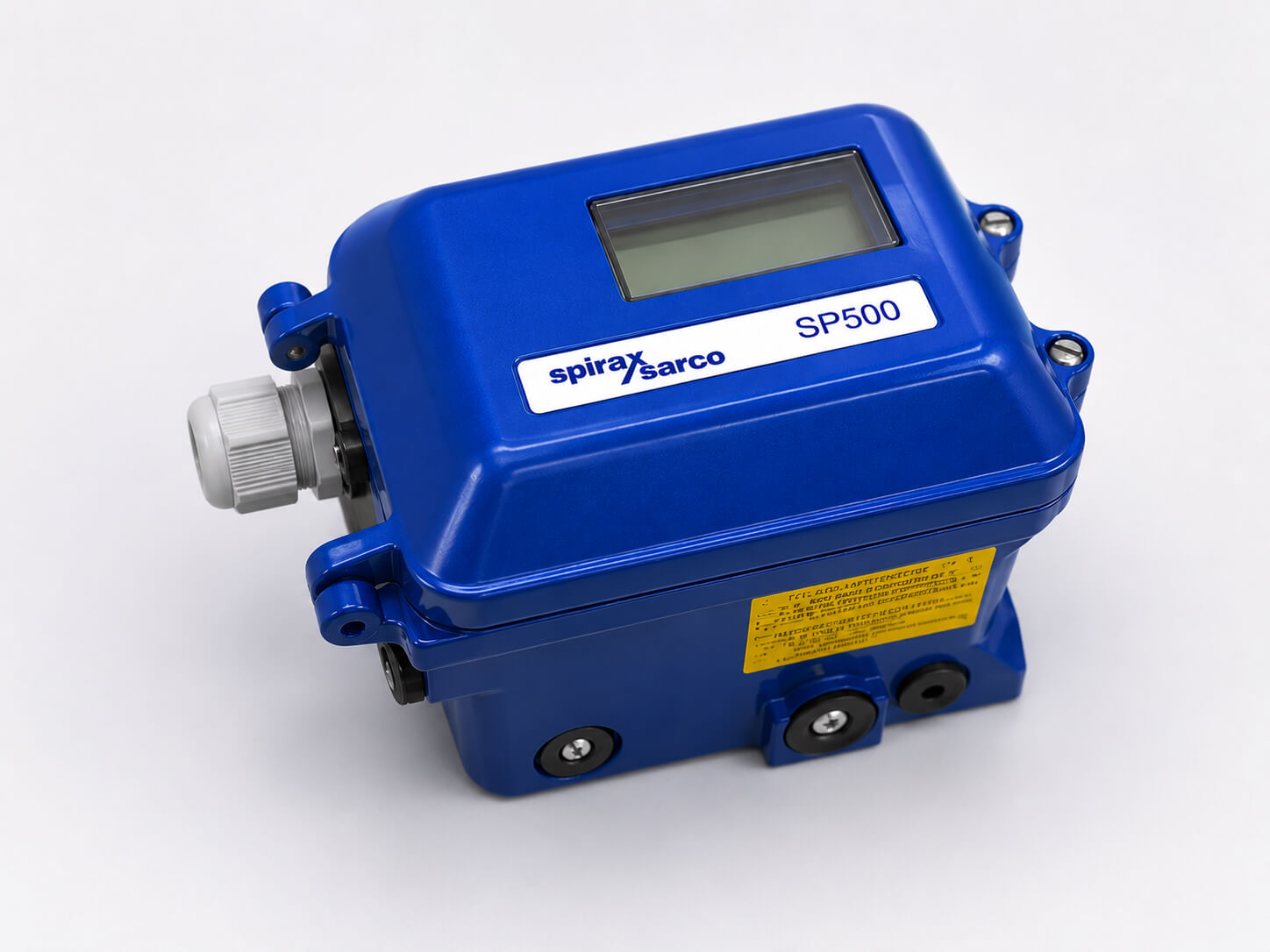
Electric actuators are often chosen for smart positioning, easier
commissioning and lower routine air use, while pneumatic actuators are
often preferred where instrument air already exists and the control
architecture is built around air-powered response and positioner feedback.