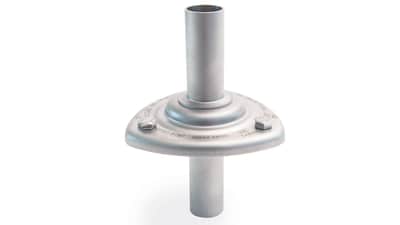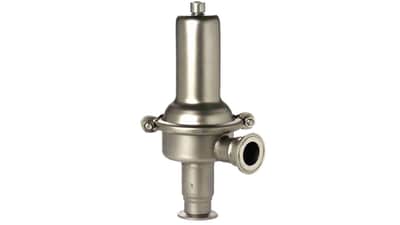
BT6-B balanced-pressure thermostatic steam trap
The Spirax Sarco BT6-B balanced-pressure thermostatic steam trap uses hygienic 316L construction, minimal condensate retention and near-saturation discharge for clean steam duties.

Explore clean steam generators, filters, separators, sanitary pressure controls, steam traps and safety valves for hygienic and sterilisation duties.
Clean steam projects usually need more than one hygienic component. The strongest system design starts with where steam quality becomes critical, then works forward through generation, pressure management, moisture and particulate control, condensate drainage and overpressure protection so point-of-use conditions stay suitable for sterilisation or hygienic processing.
| System need | Why it matters | Next route |
|---|---|---|
| Generate clean steam from purified water | Critical duties often need a dedicated clean steam source rather than filtered plant steam alone. | Browse clean steam generators |
| Improve dryness and remove particles | Moisture carryover and particulate contamination can reduce confidence in steam quality at the point of use. | Browse clean steam separators and steam filters |
| Control pressure and modulate duty hygienically | Pressure reduction and control hardware must support hygienic design and drainability as well as process stability. | Browse sanitary pressure reducing valves and clean service control valves |
| Drain condensate and protect the system | Clean steam quality depends on reliable drainage, venting and overpressure protection around the full hygienic path. | Browse clean steam traps and clean service safety valves |
Clean steam searches usually narrow once the user identifies whether the real requirement is generation, steam condition or hygienic control hardware. Start with clean steam generators when the project needs a dedicated pure-steam source. Use steam filters and clean steam separators when the priority is particulate control or better steam dryness at the point of use.
If hygienic pressure management is the main issue, compare sanitary pressure reducing valves and clean service control valves. When clean steam quality also depends on venting, drainage or pressure protection, continue into thermostatic air vents and clean service safety valves.
The Spirax Sarco BT6-B balanced-pressure thermostatic steam trap uses hygienic 316L construction, minimal condensate retention and near-saturation discharge for clean steam duties.
BTM7 is a maintainable 316L thermostatic clean steam trap for hygienic condensate drainage where self-draining geometry and near-saturation discharge are required.
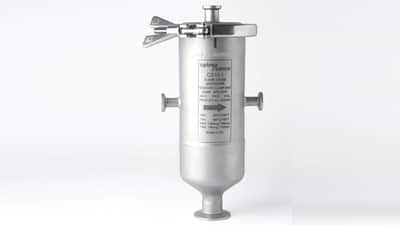
CS10-1 is a 316L stainless steel clean steam separator for removing entrained moisture from clean and pure steam systems, with a removable baffle and electropolished internal finish.
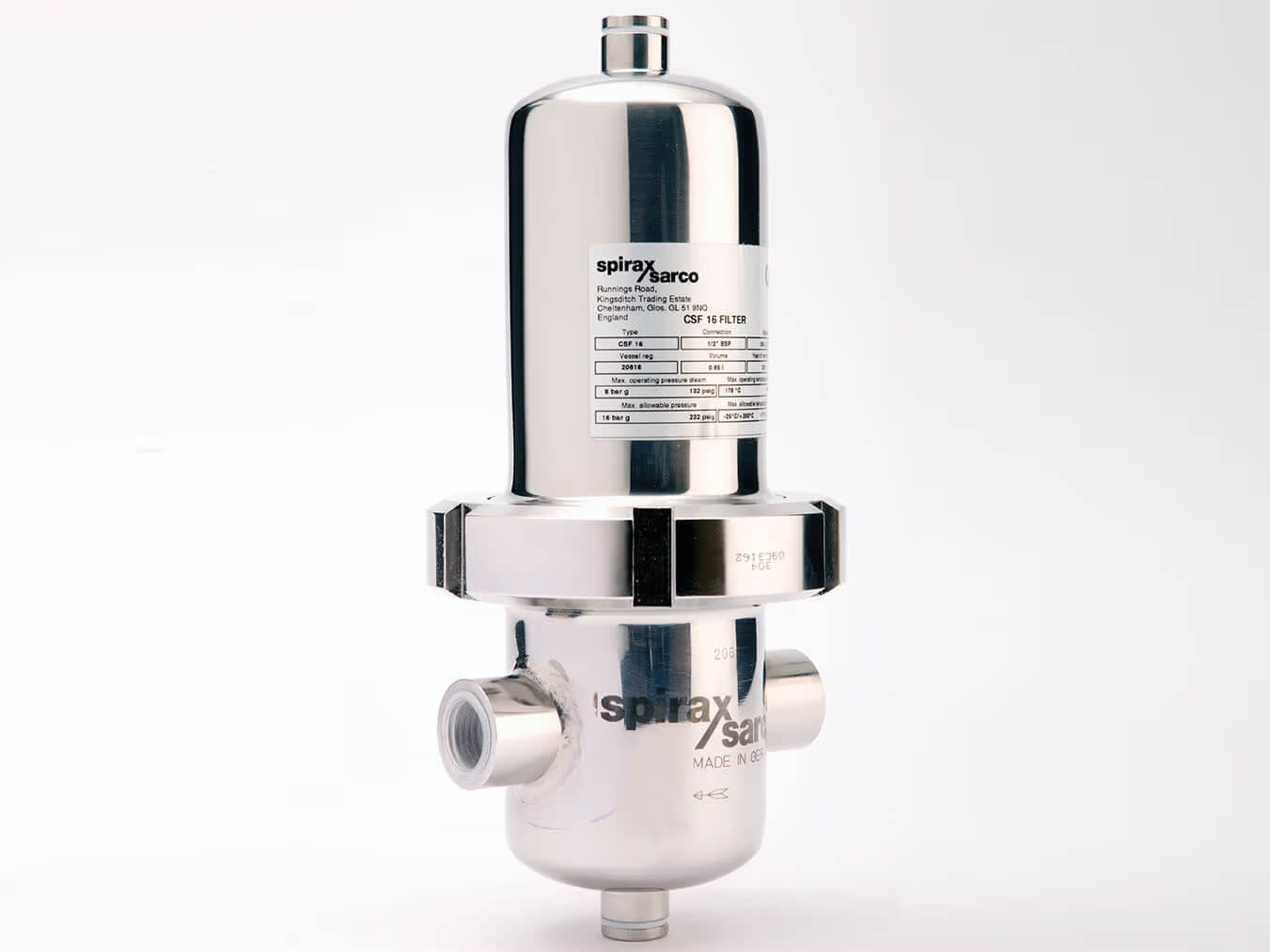
Spirax Sarco CSF16 steam filters help remove contaminant particles from clean steam lines where steam quality, product contact and hygienic hardware protection matter.
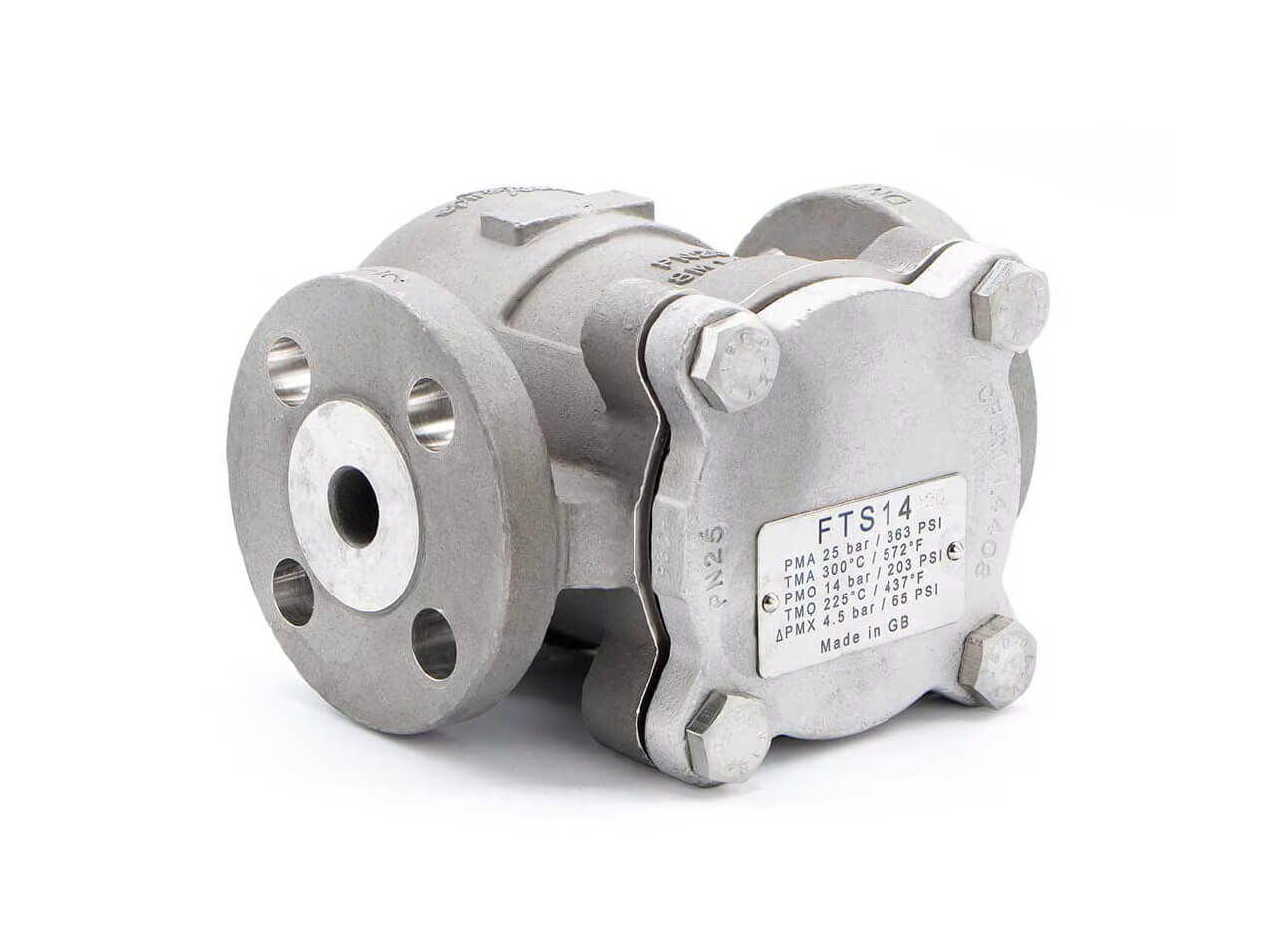
Spirax Sarco FTS14 ball float steam traps provide continuous condensate drainage at steam temperature with integral air venting for stainless steel and hygienic steam duties.
SRV66 is a self-draining 316L sanitary pressure reducing valve for clean steam, water and inert gas duties where hygienic pipework needs local downstream pressure control without an external sensing line.
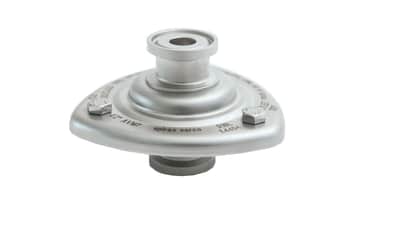
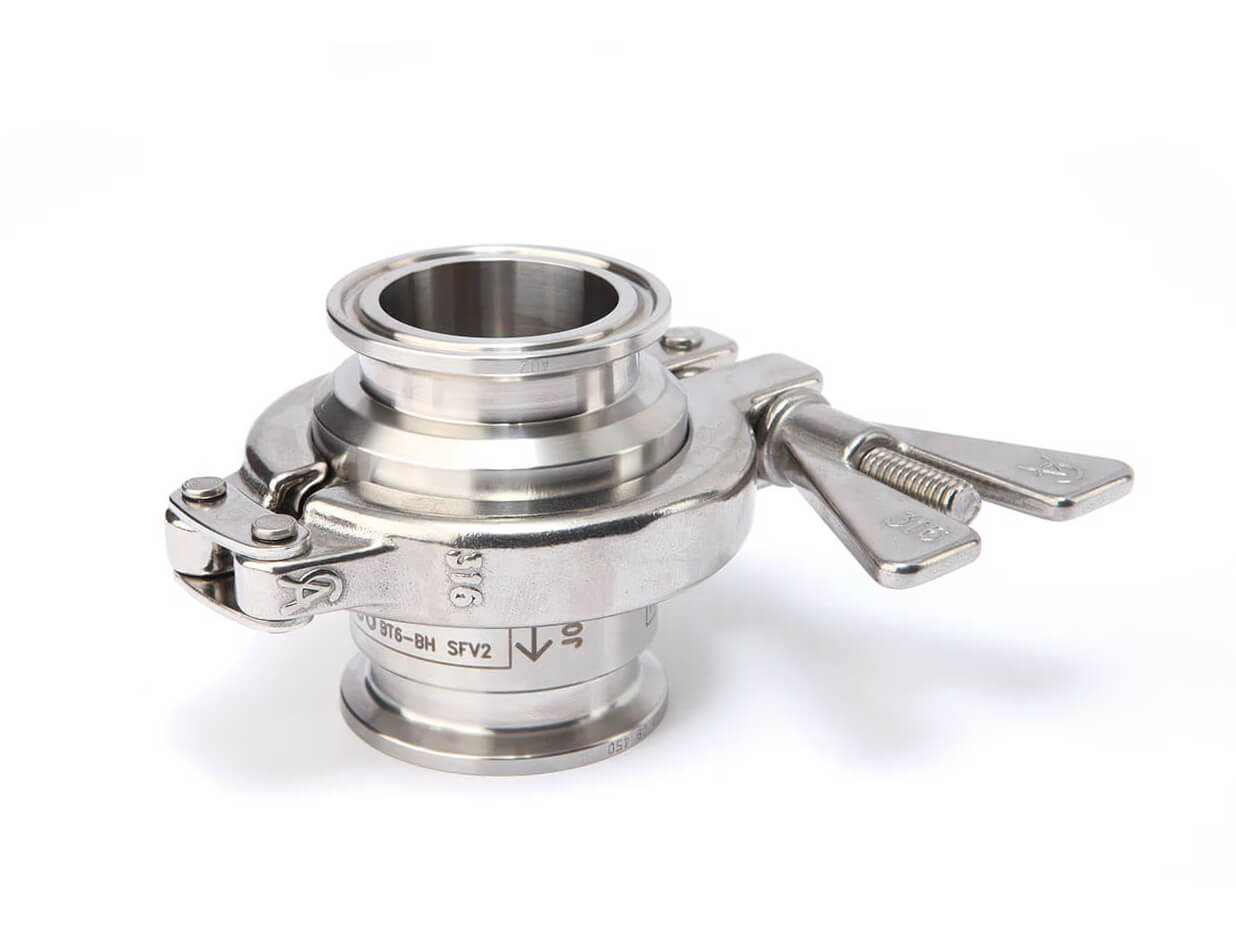
BT6-BH is a high-capacity sanitary balanced pressure thermostatic steam trap for clean, chemical-free and pure steam condensate removal, with a crevice-free 316L body, full drainability and documented vertical downward-flow instal
Spirax Sarco AVM7 thermostatic air vents remove air and other non-condensable gases from clean steam systems to improve warm-up, heat transfer and steam quality.
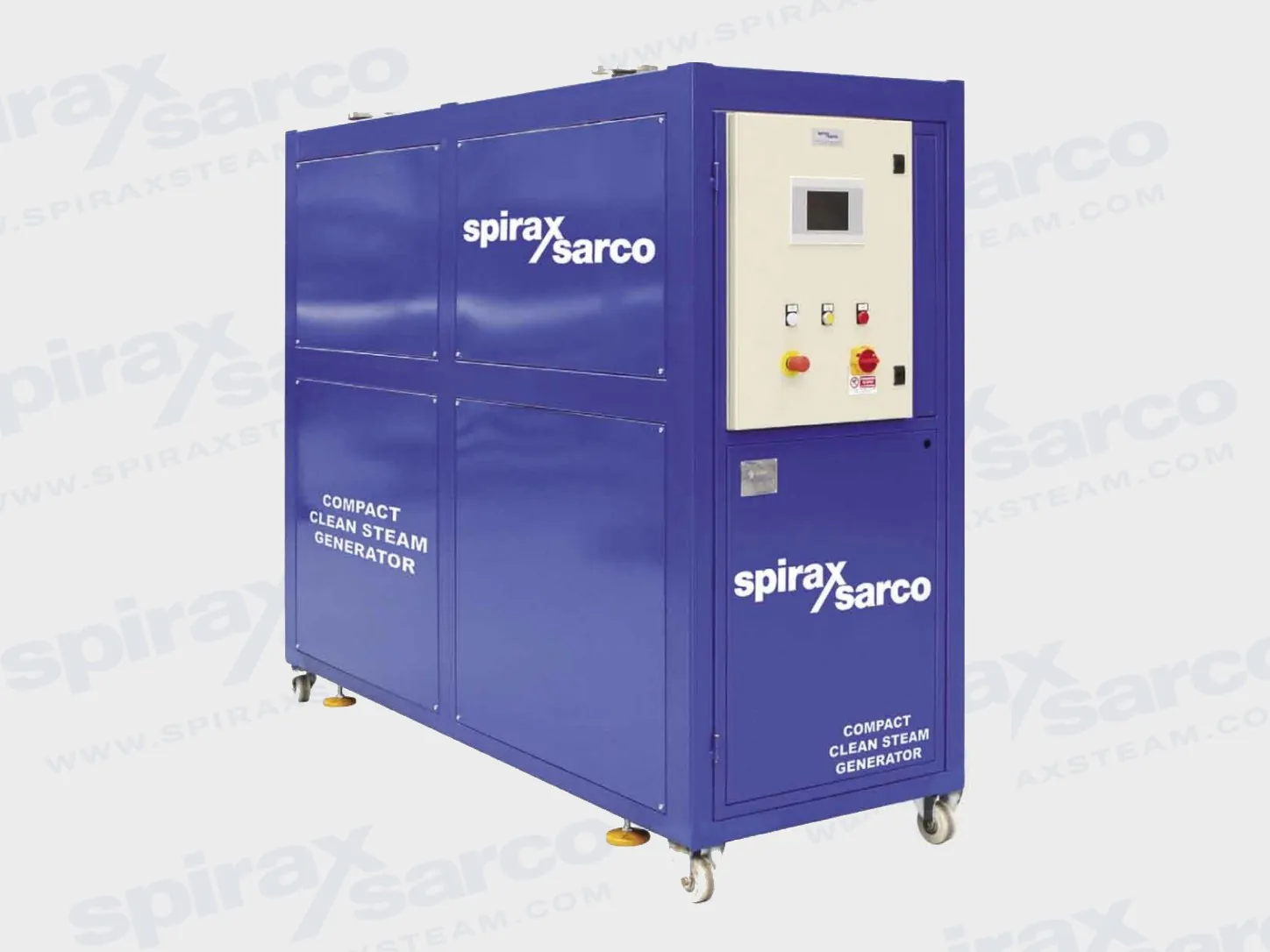
Clean steam generator packages produce high-quality steam from treated water using indirect plant-steam or electrical heating for sterilisation, humidification and other hygienic process duties.
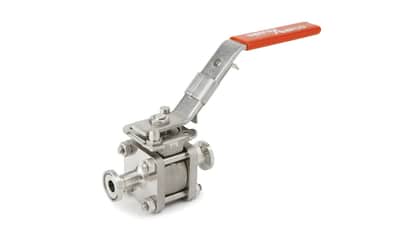
Spirax Sarco M70i and M80i sanitary ball valves use hygienic true-port 316L construction for high-purity shut-off duties in clean steam and process utility systems.
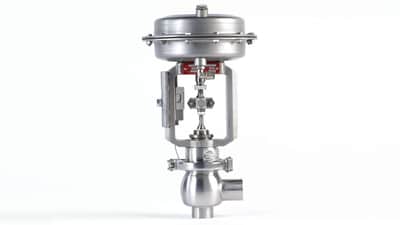
Spirax Sarco STERI-TROL clean service control valves combine hygienic design, drainability and modulating or on-off control for clean steam and clean process duties.
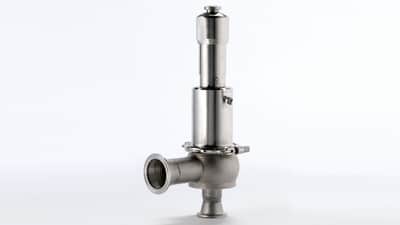
Spirax Sarco SVL488 clean service safety valves provide hygienic overpressure protection for pure steam, clean steam and inert gas systems used in clean-service applications.